




SUUNTOブログ


ウルトラマラソンは特別な人だけの競技?初心者が知っておきたい4つの誤解
「ウルトラマラソンは、毎週何十時間も走れる特別な人の競技」「山の近くに住んでいなければ練習できない」。そんなイメージから、挑戦する前に諦めていませんか。
ウルトラマラソンは、一般にフルマラソンの42.195kmを超える距離を走る競技です。距離だけを見ると途方もなく感じますが、求められるのはスピードや才能だけではありません。トレーニングの継続、ペース配分、補給、装備、そして状況に対応する判断力が重要です。
本記事では、ウルトラランニングの指導で知られるジェイソン・クープの考え方をもとに、初心者が抱きやすい4つの誤解を解説します。
ウルトラマラソンでは、速さだけでなく長時間動き続けるための準備が重要です。
目次
ウルトラマラソンとは?
誤解1:膨大な練習時間が必要
誤解2:山で練習しなければならない
誤解3:特別な才能が必要
誤解4:制限時間内に完走できない
初挑戦に向けて準備したいこと
SUUNTOでウルトラの準備を可視化する
まとめ
ウルトラマラソンとは?ロードとトレイルの違い
ウルトラマラソンには、舗装路を走る大会と、山道や未舗装路を走るウルトラトレイルがあります。代表的な距離は50km、50マイル、100km、100マイルなどですが、時間制で走行距離を競う大会もあります。
同じ距離でも、累積標高、路面、気温、標高、エイド間隔によって難易度は大きく変わります。大会を選ぶときは距離だけで判断せず、コースプロフィール、関門時刻、必携装備、過去の完走率まで確認しましょう。
誤解1:ウルトラには膨大な練習時間が必要
原文でジェイソン・クープが最初に挙げたのは、「毎週18時間や24時間もトレーニングしなければならない」という思い込みです。長い距離への適応には一定の練習量が必要ですが、距離や時間を増やせば増やすほど、同じ割合で能力が伸びるわけではありません。
仕事や家庭と両立するランナーは、確保できる時間の中で練習の目的を明確にすることが大切です。
無理のない頻度で走る習慣を作る
会話できる程度の低強度ランで持久力の土台を作る
大会に近づいたら、長時間動く練習を段階的に取り入れる
疲労が大きいときは、距離を増やすより回復を優先する
長時間練習を一度こなすことより、継続できる負荷を積み重ねること。急激な走行距離の増加は、故障や疲労の蓄積につながります。現在の経験と体調から段階的に伸ばしましょう。
誤解2:山で練習しなければウルトラを走れない
山岳レースに出るなら、実際の登り下りや不整地に慣れる練習は有効です。しかし、日常的に山へ行けないからといって、挑戦できないわけではありません。クープは、まず心肺持久力という土台を高めることが重要だと説明しています。
山へ行ける日は実地練習に使い、平日は身近な環境で基礎を積み上げましょう。写真:Philipp Reiter
平地のランニングに加えて、坂道、階段、傾斜を付けたトレッドミル、筋力トレーニングを活用できます。下りでは筋肉に独特の負荷がかかるため、山岳レースを目指す場合は、本番までに安全な環境で下りの技術と脚の耐久性も確認してください。
重要なのは「山へ行った回数」ではなく、出場する大会の特性に対して足りない要素を把握し、身近な環境で代替しながら、実地練習の機会を計画することです。
誤解3:ウルトラを走るには特別な才能が必要
高いVO2maxやマラソンのスピードがあれば有利な場面はありますが、それだけでウルトラの結果が決まるわけではありません。長時間のレースでは、ペース戦略、補給、装備選び、トラブル対応、精神的な粘りなど、複数の能力が結果を左右します。
つまり、短い距離で圧倒的に速くなくても、準備と判断によって自分の強みを生かせます。特に初心者は、他の選手のスピードではなく、自分が無理なく維持できる強度を知ることから始めましょう。
身体が糖質や脂質をどうエネルギーに変えるかを理解したい方は、身体を動かす3つのエネルギー供給機構も参考にしてください。
誤解4:自分には制限時間内の完走は無理
ウルトラでは、登りやエイドで歩くことは珍しくありません。ただし、「歩けば誰でも関門に間に合う」という意味ではありません。関門の設定、コースの高低差、路面、天候、休憩時間によって必要なペースは変わります。
挑戦を現実的にするには、目標大会の情報から逆算します。
スタートから各関門までの距離と制限時間を確認する
累積標高と路面を含めて、区間ごとの所要時間を予測する
エイド、着替え、トイレに使う時間も計算に入れる
似た条件の練習で、歩きを含む平均ペースを確認する
トラブルに備えて時間の余裕を持たせる
まず50kmなど比較的短いウルトラから経験を積み、自分に合う距離を探す方法もあります。完走だけを唯一の成功にせず、準備の過程や安全に撤退する判断も経験として捉えましょう。
初めてのウルトラマラソンに向けて準備したいこと
4つの誤解を解いたうえで、初挑戦までに確認したい項目を整理します。
コース:距離、累積標高、路面、関門、エイド、必携装備を確認する
ペース:心拍数や主観的運動強度を使い、序盤のオーバーペースを防ぐ
補給:本番で使う食べ物と飲み物を長時間練習で試す
装備:シューズ、バックパック、ライト、ウェアを本番前に使い込む
ナビゲーション:ルートをウォッチへ同期し、分岐やコースアウト時の操作を練習する
回復:練習量だけでなく、睡眠、食事、休養まで計画する
トレイル大会に向けた練習の組み立て方は、トレイルランニングのトレーニング方法と大会準備もあわせてご覧ください。補給の基本は、運動する人のための食事・栄養ガイドで解説しています。
SUUNTOでウルトラの準備を可視化する
長時間のGPS記録とオフラインマップに対応するSuunto Vertical 2
ウルトラに向けた準備では、1回の長い練習だけでなく、数週間のトレーニング負荷、回復、累積標高を継続して見ることが重要です。Suuntoアプリでは、アクティビティの距離、時間、心拍数、上昇・下降などを振り返り、自分が積み上げてきた内容を確認できます。
Suunto Vertical 2は、長時間のGPS記録、オフラインマップ、ルートナビゲーションに対応し、ウルトラトレイルのトレーニングから本番まで活用できます。事前にルートを同期し、ナビゲーション画面、バッテリーモード、補給や装備の運用を練習で確認しておきましょう。
UTMBの特徴や楽しみ方については、UTMBとは?距離・魅力と日本で楽しむ方法も参考にしてください。
まとめ:ウルトラは、準備を積み重ねる競技
ウルトラマラソンは簡単な競技ではありません。しかし、膨大な練習時間、山に住む環境、特別な才能がなければ挑戦できないわけでもありません。自分の生活に合う練習を継続し、大会の条件に合わせて足りない要素を補うことで、スタートラインは現実的な目標になります。
まずは出場したい大会を一つ選び、距離、累積標高、関門、必要装備を確認してみましょう。具体的な条件が分かれば、漠然とした「自分には無理」を、取り組める準備へ変えられます。
次の長距離チャレンジを記録しよう
長時間バッテリー、オフラインマップ、ルートナビゲーションに対応するSUUNTOスポーツウォッチをチェックしてください。
SUUNTOスポーツウォッチを見る


WORLD CHAMPION’S 10 TIPS FOR ORIENTEERING
What equipment is needed to start orienteering?
A map, a compass and sturdy shoes are the basic requirements.
What’s the scale of an orienteering map usually?
Maps are of scales 1:10000 or 1:15000, larger scales in urban events. That means that on the regular 1:10000 map 1 cm in the map depicts 100 m in the terrain.
What advice can you give on the map symbols?
Maps are drawn with same symbols worldwide and the colors on the map roughly resemble those you see in real life in front of you. Blue stands for water, white for normal forest, green for thick forest, black mostly for built objects and yellow depicts open areas. However, brown representing elevation contours is the most important color for navigation.
How is an orienteering course presented on a map?
Start from the purple triangle and follow the connecting lines to the numbered control circles. When you have reached the double circle you can stop running – you have reached the finish!
How to hold a map?
Fold the map so that you can point your thumb to your last known position. Make sure you can see the whole distance towards your next control.
How to orient a map?
Always keep the map oriented according to your direction of travel. This way you'll see the upcoming objects in the terrain as you move along your thumb on the map as you go.
How to decide the best route to the next control point?
Pick a route where you'll come across clear objects along the way all the way until the next control. It usually pays off to have a good plan and pick a route to suite ones navigational skills. Shortest is not always the safest way to find the control quickly...
How to get the direction to the next control with a map and a compass?
Place the compass' direction of travel line parallel to the control connecting line on your map. In the image above the line connects the start (marked with a triangle) with the first control (marked with a circle).
Rotate the compass capsule so that the red orienting lines are aligned with the map meridians and pointing north.
Keep the map horizontal while you turn yourself so that the compass north arrow and the map meridians pointing to the north line up. Now the line of travel points towards your next control!
How to keep your direction?
After getting the correct direction using the compass you should look up into the terrain and pick a distinguishable feature far ahead to aim for. Repeat glimpse at your compass often to make sure the map's meridians and your compass north arrow line up – and pick new features in the terrain to aim for.
How do you know you are at the right control?
Control description define the exact location of the control (e.g. on the northeast side of the southernmost boulder in the control circle). Code numbers found in the control descriptions reassure you're at the correct control.
Bonus: How to run fast in the forest?
Keeping your gaze constantly about 20 m in front of you making micro-routechoices through the terrain will help you smoothly glide across boulder fields and swamps alike. Orienteers develop a seventh sense to run fast through all kinds of environments while reading the map only through extensive training, so get out there!
Learn more about Suunto compasses
Meet the orienteer who runs a 2h 18m marathon
Find your local orienteering organization through the International Orienteering Federation


Where the wild places are
Suunto ambassadors Kilian Jornet and Emelie Forsberg moved to Norway for one reason – the wild places.
Kilian and Emelie are living near Romsdal in Norway. © Kilian JornetAfter living at the base of the Mont Blanc massif for many years, mountain athletes and couple Kilian Jornet and Emelie Forsberg have moved to Norway.
Chamonix was their training base for five years. From there Kilian prepared for and carried out some his fastest known time projects. For Emelie, Chamonix provided the ideal base to gather experience in training and competition. It had one downside – it’s too busy for the solitude-loving couple.
© Kilian Jornet“It really is a paradise up here,” Kilian says about Norway. “It's pretty wild and there aren’t many people around. We can access the mountains and the fjords right from the house. “The mountains are very steep, with very technical terrain. It’s good for skiing, climbing and for running in summer.”Click to see Kilian's favorite training routes! © Kilian JornetComing from Sweden, Emelie always wanted to return to the north. Like Kilian, she enjoys the feeling of being alone in wide-open spaces. “Every now and then while we lived down in Chamonix I really missed the wild nature, and rougher conditions we have here,” she says. “We decided to move up here because we found a really good house to live that’s convenient for travel and close to the mountains. “It can rain for weeks up here and have really harsh conditions, which makes it more challenging finding the motivation to go out and train, but I really like the conditions as well. That’s how I became the athlete that I am. It feels really good to be back in the north.”Click to see Emelie's favorite trail running routes!© Kilian JornetAfter his best ski mountaineering season, Kilian has been enjoying climbing and skiing in the local mountains. He plans to compete in two trail running races over summer, the Zegama marathon in Spain this coming weekend and the Hardrock 100 Mile Endurance Run in the US in July. His main focus, however, is going to the Himalayas to prepare for a fastest known time attempt on Everest. Emelie is recovering from a serious knee injury and hopes to compete again soon.
Lead image: © Kilian Jornet

7 spring training camp tips for triathletes
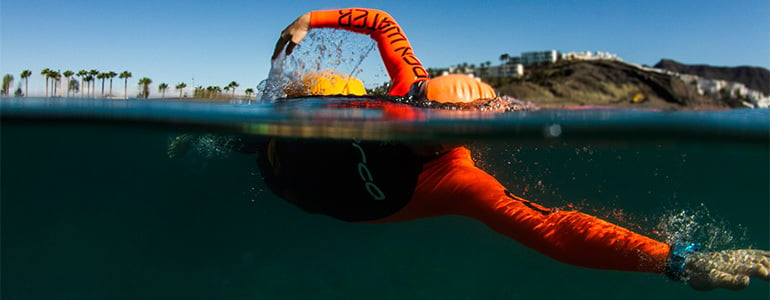
Top triathlete Åsa Lundström shares 7 tips to help you get the most from your spring training camp. © OrcaSuunto athlete Åsa Lundström has been putting in 35-hour training weeks at a spring training camp at the Playitas Resort on the Canary Islands. She came fourth at the recent South Africa Ironman, qualifying herself for the World Championship in Kona, Hawaii this October – her main goal this year. Åsa says going to a spring training camp somewhere warm allows people from colder climes to boost their training volume to prepare for the coming season. “Most long distance triathletes have the Kona Ironman as their main goal and in order to elevate our base level we need to have a big training block and a spring camp is a really good way to achieve that,” Åsa says. “Most triathletes want to boost their cycling at spring camps because that's the hardest discipline to train at home during the winter months.”© Orca
Don’t overdo it
When you’re at a camp there are so many motivated people and groups it’s easy to get carried away. If you plan to start out with a three-hour ride and you go with someone who wants to do a four or five hour ride, it's very easy to get pulled along with them. Unsurprisingly, it’s not uncommon for people to train too hard and crash their immune system and then go home, catch a cold and not be able to train for two weeks. Being patient and not getting carried away is probably the hardest part of being on a camp.© Orca
Stick to your plan
Create a training plan for the camp with your coach before you leave so you have a clear idea of what you’re going to do. This helps you to avoid overdoing it. Of course if you feel fresh and you feel strong it’s important to push a bit harder. You need that to stay motivated and to get the endorphins. But still don't get carried away and overdo it. The risk is you will hit the wall.
Rest and eat well
Most people train a lot more at a camp than they do at home. They go to boost their training. It's important to remember then that you need more sleep and to take good care of your nutritional intake by eating good quality food. At the beginning of a camp you are so filled with endorphins and energy and you’re in the warm sunshine, it’s easy to feel like you don’t need so much sleep. Even if you’re only on a one-week training camp it’s important to get eight or nine hours of sleep every night even when you feel you don’t need it.© Åsa Lundström
Take your nutrition
If you’re going to a training camp where you haven’t been before it can be difficult finding the sports nutrition you use for your training. So if you don't know what you can get there, make sure to bring enough of your own.
Find a buddy
Training with a buddy, or even just around other triathletes, means you can push yourself to a higher level. If you train for many hours it’s always good to have a partner. If you have someone who is at your level, it’s a constant source of motivation because you will be racing against these people.
© Åsa Lundström
Foam roll and stretch
I go to the gym to workout, stretch properly and do foam rolling. I do it as prevention. A light massage half way through a camp is a good thing. Avoid deep massage because that can make your muscles sorer and they might need a rest afterwards.
Focus on volume
Most people go on a spring training camp because they can’t get the volume in at home because it’s too cold. So the natural thing is to do the volume training, which is cycling and running. Take the opportunity to do longer sessions. It’s also a good time to practice open water swimming if you’re somewhere where the water temperature is nice. Don’t focus on technique, but build strength and practice navigating.
Lead image: © Orca/Gines Diaz


How to use the power of commitment
Elite South African trail runner and Suunto athlete Meg MacKenzie also works as a coach, helping runners to develop the mental skills required to achieve their dreams. She writes below about drawing on the power of commitment.© Sven Musica
As the trail running season gets closer runners sometimes overcommit to too many events or don't fully commit to any. Both result in half-hearted goals that may or may not be reached. My advice is to think carefully and commit to one or two really important goal races with 100% whole heartedness. Here’s how!
IMT (inspiring, moving and touching)
Choose an event that is inspiring, moving and touching. Choosing an event to commit to 100% requires that it’s an exciting for you. Otherwise your discipline is bound to waver; you will begin to look at other races. Choose wisely and dream big! Make sure it is out of your comfort zone by about 20%. More than this and you may be overwhelmed. Less than this, and it’ll be too easy.
Click to read Meg's tips on how to bring mindfulness to the trail!© Sven Musica
Use the power of speech
There is very real power in our words when we talk with others. We have the ability to create what we desire through our word by using it as an action. A speech act is a verbal declaration of what one is committing to, and by when. For it to be effective, it should be a clear, strong and specific commitment:
“I promise to …” “I commit to …” “I shall …” Avoid weak sentences: “I’ll try…” “I want to …” “I would like to …” Whatever you verbally commit to must be followed by a clear goal about by when it will become a reality. For example: “I commit to running a sub 3h30m marathon on October 12, 2016.” This is much clearer, and more specific than: “I’ll try to do my best at the marathon.” Another good example might be: “I will lose 3kg by May 30 this year” as opposed to: “I’ll try to lose weight.” Be specific!
© Sven Musica
Take responsibility
As people, we constantly try to find reasons as to why things happen to us. Perhaps we keep getting injured, and we look for something to blame. Or our running buddy keeps bailing and then we feel our lack of fitness is his or her fault. The more A type personalities out there might find a convenient reason to justify why they didn’t stick to a rest day. The list is endless! It’s crucial to simply accept and take responsibility for your actions, whatever they are. When you can do this fully, imagine the power your commitments have!© Sven Musica
Watch the little things
Your subconscious mind is a super powerful recording device that remembers all the times you have or haven’t done what you said you would do. It doesn’t record the excuses, and whether they are legit or not. If you promised to go to gym at 6am but you press snooze and go at 6.30 this is recorded and your integrity is compromised. Likewise, if you promise to meet a friend for coffee at 11am and you get there at 11:05, it’s recorded as a time when you broke your word. These add up and impact your overall integrity or character. The gist is, how can you expect yourself to reach your BIG goals if you cannot trust yourself with little ones? They are directly related, so keep a check on your integrity. It’s the fuel behind the power of your word.


How to bring mindfulness to the trail
© Sven Musica
With her mother, father, and aunt all distance runners, it was inevitable Meg MacKenzie would follow suit. She grew up on a farm, and enjoyed cross-country through her school years. When she was 25, and without training, she came second in the Three Cranes Challenge stage race, and was first in her age group. “From there I started thinking about trail running more seriously,” she says.
She began working with a coach, got sponsorships and has since had a string of podium and first place finishes in stage and trail running races. Her specialty is mid-distance racing.“I don't know what it is but I keep entering those shorter, sharper races,” she says. “You can race more if you do the 30 k to 40 k distance. And I love racing. That's part of why I do it. I crave competition.”Meg also coaches other runners to reach their dreams. She practices meditation daily and uses mindfulness in her approach to life and coaching. “I've had a lot of experience in the trail running community and “I can see that women in particular struggle to get started, and if they do get started they struggle to maintain what they're doing,” Meg says. “That spurred me to help people, particularly female runners.”Many trail runners rely solely on mental toughness to push themselves, but there are other ways of approaching training and racing. “Listen to your body and really try to get a mind-body connection going because that's the most important connection you can have. Pushing through isn't always the best option.”
Meg's three tips for bringing mindfulness to the trail:
Create your context for each training session
By consciously determining what you want to get out of each session, you will avoid tumbling along in an unconscious blur of day-to-day slog. It takes five minutes, and when you get better at it, one minute. Before you step out the door ask yourself what you want to get out of the next few hours. Maybe it’s an escape after a long day. Maybe you want to learn more about your downhill running. Perhaps you need to relax and take it easy. Or maybe you want to consciously push yourself to the correct splits and times you laid out for yourself. Whatever it is, take a quiet moment to determine it consciously before you set off.
Forgive yourself
Forgive yourself for any training or racing that didn't go how you wantedAcknowledge what happened, give up the resistance to what happened, let go – it creates freedom. And make a decision to move forward. This will allow for more flow and energy rather than getting stuck in one off day, week, month or race.
Drop the story
The story is everything we create in our heads about the present moment and most of us allow that to stop us. For example, you would like to go for a run BUT its a bit rainy and cold, you don't have quite enough time, you really want to BUT maybe you could go tomorrow when the weather is better, or when you get out of work a bit earlier. The story is everything after BUT.
The 'is-ness' is that, yes, it is rainy and cold. And you have promised yourself to go for that run. So what is your decision? If you act from is-ness, you acknowledge that it is cold and rainy and you make a decision to go anyway because that is the best decision to make out of what IS. So drop the story and move on in the present!
Meditate
Meditation is a powerful tool to use before or after a race or as part of your daily life. It allows you to create space in your mind and be more present. This, in turn, allows more flow, as you will be more conscious with the present moment, instead of rushing through another day of training stuck in the future worrying or feeling anxious about the past. There are lots of guided meditations out there, try one, start small and just be.


