




ウルトラマラソンを走った後、「いつからランニングを再開していい?」「何日休めばいい?」と迷うことはありませんか。100kmをはじめとする長距離レースでは、脚だけでなく身体全体に大きな負荷がかかります。完走直後に元気だと感じても、すぐ通常のトレーニングへ戻るのではなく、数週間かけて段階的に回復させることが大切です。
世界各地のウルトラレースで活躍してきたSuuntoアスリートRyan Sandesも、大きなレースの後には十分な回復期間を取ることを重視しています。
Ryanが特に警戒するのは、レースからレースへ、トレーニングサイクルから次のサイクルへと休まず進み続けてしまうことです。
レース直後は達成感に包まれ、「もう次の目標へ向けて走りたい」と感じるかもしれません。しかし、身体と心が完全に回復するまでには時間が必要です。
この記事ではRyanの経験をもとに、レース直後、翌日、3日〜1週間、2週間〜1か月という時間軸で、ウルトラマラソン後のリカバリーとトレーニング再開の考え方を紹介します。

© Craig Kolesky / Red Bull Content Pool
ウルトラマラソン後はなぜ回復期間が必要?
ウルトラマラソンのゴール後、筋肉痛がなくなったからといって、身体全体が完全に回復したとは限りません。
長時間のランニングでは、筋肉や関節だけでなく、エネルギー消費、睡眠、日常の疲労感などにも影響が残ることがあります。
さらに、何か月もレースへ向けて集中してきたランナーの場合、精神的な疲労も無視できません。
Ryanは、多くのウルトラランナーには「次へ進み続けたい」という強い意欲がある一方、それを長期間続けることで心身の疲労が蓄積してしまうことがあると指摘しています。
レース後の休養は、トレーニングが止まっている期間ではありません。次のトレーニングサイクルへ進むための重要なプロセスです。
普段のトレーニング後の回復については、こちらの記事でも詳しく紹介しています。
▶︎ トレーニング後の回復を確認する4つの方法|HRV・睡眠・負荷・感覚をチェック
レース直後|まずは水分・食事・休息を優先
ウルトラマラソンを完走した直後は、「何をすれば早く回復するか」よりも、まず基本的なことを優先しましょう。
- 水分を補給する
- 必要に応じて電解質も補う
- 食事をとる
- 身体を冷やしすぎない
- できるだけ睡眠時間を確保する
Ryanも、レース後には水分と栄養をしっかり補うことを重要なポイントとして挙げています。
レース後は食欲が出にくい場合もありますが、身体は長時間の運動によって多くのエネルギーを消費しています。
一度に大量に食べることだけを考える必要はありません。食べられる範囲で炭水化物、たんぱく質、脂質などを含む食事をとり、その後も食事と水分補給を続けていきましょう。
翌日|走ることより身体を休ませる
レース翌日は、筋肉痛や脚の重さを強く感じる人もいれば、意外なほど元気に感じる人もいます。
しかし、元気だからといって急いでランニングへ戻る必要はありません。
Ryanの元記事では軽いランニングも紹介されていましたが、回復の程度には個人差があります。現在の日本版では、翌日は休養を基本にし、身体を動かしたければ無理のない散歩などにとどめることをおすすめします。
特に、
- 歩行でも強い痛みがある
- 関節に違和感がある
- 腫れがある
- 強い疲労感が続いている
- 体調が普段と明らかに違う
場合は、トレーニング再開を急がないようにしましょう。
強い痛みや体調不良など気になる症状がある場合は、自己判断で運動を再開せず、必要に応じて医療機関へ相談してください。
3日〜1週間|ランニングから一度離れる
Ryanが特にすすめているのが、レース後の最初の1週間はランニングをしないという考え方です。
毎日のように走っているランナーにとって、1週間走らないことは不安に感じるかもしれません。
しかし、ウルトラレース直後に走力を上げることよりも、この時期は身体と心を回復させることを優先します。
身体を動かしたくなったら、状態に応じて、
- 散歩
- 軽いハイキング
- 非常に軽いサイクリング
- プールで軽く身体を動かす
- 無理のないモビリティ
など、ランニング以外の低負荷な活動を選ぶ方法があります。
「走らない=何もしない」ではありません。
ただし、クロストレーニングも新しいトレーニングセッションにしてしまわないよう注意しましょう。
食事も「通常に戻す」ことを焦らない
レース後の数日間は、身体がエネルギーを補おうとして普段より食欲が増えることがあります。
そこで体重の増減を過度に気にするより、まずは回復に必要な食事と水分を確保することを優先します。
十分な栄養をとりながら、生活のリズムと食事のリズムも少しずつ普段の状態へ戻していきましょう。
2週目|短いイージーランから再開する
Ryanは、最初の1週間を休んだ後、2週目から非常に軽いランニングを再開することをすすめています。
ただし、これは「8日目になったから必ず走る」という意味ではありません。
回復のスピードは、
- レース距離
- 累積標高
- 路面
- レース時間
- 気温や天候
- レース前の疲労
- 睡眠
- 個人のトレーニング歴
などによって大きく変わります。
走り始める場合は、タイムやペースを狙うのではなく、短時間のイージーランから。
走っている途中で脚に違和感が出たり、フォームが普段と明らかに違ったりする場合は、予定より早く切り上げても問題ありません。
この時期は「何km走ったか」より、走った後に身体がどう反応したかを見る方が重要です。
3〜4週間|高強度トレーニングは焦らず戻す
軽いランニングを再開できても、インターバルや長時間の高強度セッションへすぐ戻す必要はありません。
Ryanは、ウルトラレース後は少なくとも3〜4週間、高強度セッションを控えることをひとつの目安としています。
例えば、
- VO2maxインターバル
- 乳酸閾値トレーニング
- 長時間のテンポ走
- ハードな坂道インターバル
- 競争強度のロングラン
などは、身体の状態を確認しながら段階的に戻します。
特に注意したいのが、「脚が軽く感じる=完全回復」と判断しないことです。
軽いジョグでは問題なくても、高強度へ上げた途端に疲労感が強くなることもあります。
回復期なのに毎回少し頑張る強度で走り続けると、低強度でも高強度でもない中間的な負荷に偏ることがあります。
▶︎ イージーランが速すぎる?ランニングの「トレーニング・ブラックホール」とは
メンタルの回復も忘れない
Ryanがレース後の回復で特に大切にしているのが、精神的にスイッチを切ることです。
ウルトラマラソンでは、レースそのものだけでなく、そこへ至るまでの数か月間も大きなエネルギーを使います。
トレーニング計画を立て、週末ごとに長時間走り、食事や睡眠を調整し、レースのことを考え続ける。
その生活がゴールと同時に終わると、すぐ次の目標を探したくなるランナーもいます。
しかしRyanは、レース後には一度気持ちを切り替え、達成したことを楽しむ時間も回復の一部だと考えています。
家族や友人と過ごす。
ランニング以外の趣味を楽しむ。
旅行する。
時計を見ずに散歩する。
こうした時間を過ごすことも、次のトレーニングサイクルへ向かう準備になります。
HRV・睡眠・負荷はどう見る?
「そろそろ走っていいのか」を判断するときは、カレンダーだけでなく、自分の身体の状態も確認しましょう。
参考になるもののひとつが、
- HRV(心拍変動)
- 睡眠
- トレーニング負荷
- 安静時の身体の感覚
- 脚の疲労感や違和感
- 軽い運動をした後の反応
です。
HRVは1日の数値だけで判断しない
HRVは、身体のストレスや回復傾向を見るための参考になります。
ただし、ある日のHRVが高かったから「完全回復」、低かったから「走ってはいけない」と単純に決めるものではありません。
自分自身の通常の傾向と比較しながら、睡眠、疲労感、トレーニング負荷などと合わせて確認しましょう。
▶︎ HRV(心拍変動)とは?正常値の見方と回復・トレーニングへの活かし方
レース後はトレーニング負荷が大きく変化する
ウルトラマラソンは、普段の1回のトレーニングとは比較できないほど長時間の負荷になる場合があります。
その後に数日間休むと、トレーニング量は一気に少なくなります。
この数字を見て「トレーニングが足りない」と焦る必要はありません。
回復するために意図的に負荷を下げている期間だからです。
普段の回復状態の確認方法については、こちらも参考にしてください。
▶︎ トレーニング後の回復を確認する4つの方法|HRV・睡眠・負荷・感覚をSuuntoでチェック
通常トレーニングへ戻る前のチェックポイント
レースから何日経過したかだけでなく、身体の反応を確認しながらトレーニングを戻していきましょう。
例えば、次のような状態をチェックします。
- 日常生活で強い疲労感が残っていない
- 歩いたときに痛みや違和感がない
- 睡眠が普段のリズムへ戻っている
- 食欲や体調が安定している
- 軽いジョグをしても翌日に疲労が大きく残らない
- 走りたいという気持ちが自然に戻っている
これらが整ってきたら、少しずつ時間や距離を増やしていきます。
それでも、最初からレース前と同じ週間走行距離へ戻す必要はありません。
距離 → 頻度 → 強度を一度に全部戻すのではなく、段階的に戻すことを意識しましょう。
| 時期 | 回復・トレーニングの考え方 |
|---|---|
| レース直後〜翌日 | 水分・食事・睡眠・休息を優先 |
| 3日〜1週間 | ランニングを休み、必要なら散歩など軽い活動 |
| 2週目 | 状態を確認しながら短いイージーラン |
| 3〜4週間 | 走行量を徐々に戻す。高強度は焦らない |
| その後 | 回復状態を確認しながら通常トレーニングへ |
※上記はRyan Sandesの経験をもとに整理した一般的な目安です。必要な回復期間には個人差があります。
Suuntoでレース後の回復を振り返る
ウルトラマラソン後の回復では、「あと何日休めばいい」というひとつの数字だけを見るより、複数の情報を長期的に確認することが役立ちます。
対応するSuuntoウォッチとSuuntoアプリでは、
- HRV
- 睡眠
- 心拍
- トレーニング負荷
- 日々のトレーニング履歴
などを振り返ることができます。
ただし、ウォッチの数値だけでトレーニング再開を決めるものではありません。
データと、自分自身の疲労感、痛み、睡眠、気分を合わせて見る。
その習慣が、長いシーズンを継続するために役立ちます。
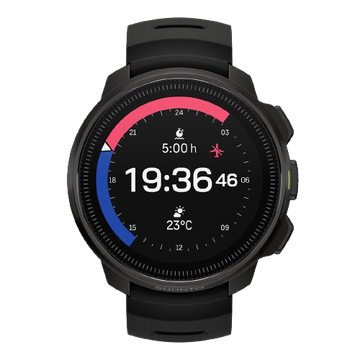
トレイルランニングやウルトラレースを中心に、トレーニング・レース・回復まで幅広く記録したいならSuunto Race 2、長時間の山岳アクティビティやナビゲーションも重視するならSuunto Vertical 2があります。
Suunto Race 2を見る Suunto Vertical 2を見る
まとめ|ウルトラ後は「早く戻る」より「しっかり戻る」
ウルトラマラソンを完走した後、次のレースへ向けてすぐ走り始めたくなるかもしれません。
しかしRyan Sandesが伝えているのは、長く走り続けるためには、長く休むことが必要なタイミングもあるということです。
- レース直後は水分・食事・睡眠を優先する
- 最初の1週間はランニングから離れる
- 身体を動かしたい場合は軽い活動にする
- 2週目から状態に応じてイージーランを再開する
- 高強度トレーニングは3〜4週間焦らず待つ
- HRV・睡眠・疲労感などを組み合わせて確認する
- 身体だけでなくメンタルも回復させる
レース後に数日休んだからといって、それまで積み上げたトレーニングがなくなるわけではありません。
むしろ、十分に回復せず次のトレーニングへ進む方が、その後の継続を難しくすることがあります。
早くトレーニングへ戻ることではなく、次のトレーニングをしっかり積める状態へ戻ること。
それが、ウルトラマラソン後のリカバリーで大切な考え方です。
ウルトラ・回復関連記事
- トレーニング後の回復を確認する4つの方法|HRV・睡眠・負荷・感覚をチェック
- HRV(心拍変動)とは?|正常値の見方と回復・トレーニングへの活かし方
- イージーランが速すぎる?|トレーニング・ブラックホールとは
- ウルトラの距離を走り切るには?|Ryan Sandesのアドバイス
- ランニングのトレーニングに変化が必要な理由|Ryan Sandesの考え方
Photo © Craig Kolesky / Red Bull Content Pool


