


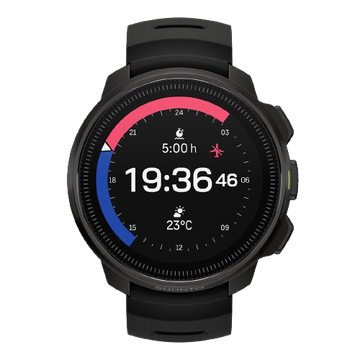


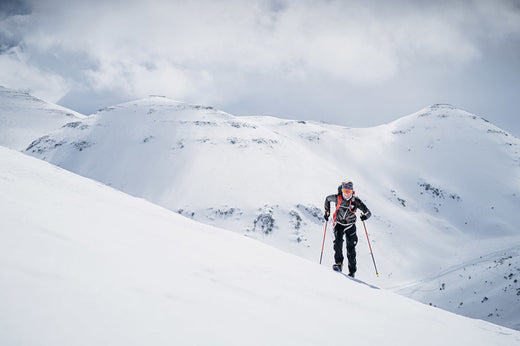
登山やトレイルランニングで「この登りはあと何分かかるのか」「序盤から飛ばしすぎていないか」を判断したいとき、平地と同じ1kmあたりのペースだけでは負荷をつかみにくいことがあります。急な登りでは、水平距離よりも標高をどれだけ上げたかがペース管理の手がかりになるためです。
そこで役立つのが、1時間あたりに何m登ったかを示す登高速度です。登り区間の平均登高速度はVAMとも呼ばれます。一方、Suuntoウォッチの「バーティカルスピード(Vertical speed)」は、運動中の上下方向の速度をリアルタイムで確認するデータ項目です。
この記事では、登高速度とVAMの意味、登りの所要時間やペース配分への活かし方、Suuntoウォッチでバーティカルスピードを確認するときのポイントを解説します。
登高速度とVAMとは?登りのペースを標高差で表す指標

登高速度とは、一定時間にどれだけ標高を上げたかを表す指標です。一般的には「m/h(メートル毎時)」で示され、一定区間の平均値はVAM(Velocità Ascensionale Media:平均登高速度)とも呼ばれます。
VAMとバーティカルスピードは、どちらも上下方向の速さを標高差で捉える点では共通しています。ただし、VAMは登り区間の平均値を指すのが基本です。Suuntoウォッチのバーティカルスピードは、m/hまたはm/minで表示されるリアルタイムの垂直速度で、下りでは負の値を含む場合があります。運動後に区間平均を確認すると、VAMに近い使い方ができます。
たとえば登高速度が300m/hなら、同じペースを保った場合、1時間で標高を約300m上げる計算です。平地のランニングペースが水平距離を基準にするのに対し、登高速度は標高差を基準にします。
| 指標 | 基準 | 向いている場面 |
|---|---|---|
| ランニングペース | 1kmにかかった時間 | 平地や勾配の小さい区間 |
| 平均登高速度(VAM) | 一定時間に上げた標高 | 登山道の登り、急登、登坂インターバル |
| 心拍数 | 身体への内的負荷 | 運動強度や疲労の把握 |
登高速度だけで体力や技術を評価するのではなく、心拍数、勾配、路面、荷物の重さ、標高、天候などと組み合わせて見ることが大切です。
平均登高速度(VAM)の計算方法
平均登高速度であるVAMは、登った標高差を所要時間で割って求めます。
VAM(m/h)=登った標高差(m)÷登りの所要時間(時間)
標高差600mの登りに2時間かかった場合は、600m÷2時間=300m/hです。1時間30分なら1.5時間として計算するため、600m÷1.5時間=400m/hになります。
ここで使うのは、スタート地点と到着地点の単純な標高差ではなく、途中の上り下りを含めた上昇量です。小さな下りを挟むルートでは、単純な標高差より累積上昇量が大きくなるため、ルートデータを確認して計算しましょう。
登り区間の上昇量が分かっていれば、自分が無理なく維持できる登高速度から所要時間の目安も逆算できます。ただし、休憩、渋滞、路面状況、気象条件は別に見込む必要があります。
登りのペース管理に活かす3つの方法

1. 登りの所要時間を見積もる
過去の登山やトレイルランニングから、自分が長く維持できる登高速度を把握しておくと、次の登りに必要な時間を見積もりやすくなります。累積上昇量900mの区間を普段450m/hほどで進めるなら、休憩を除いた登り時間の目安は約2時間です。
2. 序盤のオーバーペースを防ぐ
長い登りの序盤は身体が動きやすく、想定以上のペースになりがちです。登高速度と心拍数を一緒に見れば、「速く登れているが心拍も上がりすぎている」といった状態に気づきやすくなります。距離の長い登山やレースでは、後半まで維持できる強度を優先しましょう。
3. 同じ坂で成長を比較する
定期的に同じ登りを使うと、路面や勾配の違いを抑えて変化を比べられます。同程度の心拍数で登高速度が上がった、または同じ登高速度をより低い心拍数で維持できたなら、登りへの適応が進んだ可能性があります。1回の最高値ではなく、数週間から数か月の傾向で判断してください。
キリアン・ジョルネは登高速度をどう使っていた?
原文では、トレイルランナーでスキー登山競技のアスリートでもあるキリアン・ジョルネが、日々のトレーニングで登高速度を使っていると説明しています。慣れた登りで平均より速いか遅いかを確認したり、登りに必要な時間を計算したりするためです。
2016年の記事で紹介された本人の数値は、バーティカルキロメーターのランニングで約2,000m/h、スキー登山競技で約1,700〜1,800m/hでした。これは世界トップレベルの競技者による当時の参考値であり、一般の登山者やトレイルランナーが目標にする基準ではありません。
重要なのは他人の数値と比べることではなく、同じ条件に近い自分の記録を積み重ねることです。勾配、路面、荷物、疲労、気温が変われば登高速度も変わるため、自分なりの基準を複数のコースで持っておくと実践に活かしやすくなります。
Suuntoウォッチで登りのペースを確認する方法

対応するSuuntoウォッチでは、Suuntoアプリでスポーツモードの表示をカスタマイズし、「高度」関連のデータ項目からバーティカルスピードを追加できます。ウォッチやソフトウェアのバージョンによって、利用できるデータ項目、単位、メニュー名、設定手順が異なる場合があります。
- Suuntoアプリで接続中のウォッチを開く
- スポーツモードのカスタマイズ画面へ進む
- 登山、トレイルランニングなど使用するスポーツモードを選ぶ
- データ画面に「バーティカルスピード」などの高度関連項目を追加する
- ウォッチと同期し、運動前に表示を確認する
長い登りでは現在値だけでなく、心拍数、累積上昇量、経過時間も同じ画面や切り替えやすい画面に置くと、ペースを総合的に判断しやすくなります。登り区間の詳細をリアルタイムで確認したい場合は、対応機種でSuuntoPlus™ Climbを利用できることもあります。
ラップとSuuntoアプリで登りを振り返る

登りの開始地点と終了地点で手動ラップを記録しておくと、その区間だけを後から比較しやすくなります。ヒルリピートや定点コースでは、次の流れで記録を残してみましょう。
- 登りの開始地点でラップを記録する
- 頂上または決めた終了地点で再びラップを記録する
- 運動後にSuuntoアプリへ同期する
- 高度、上昇量、心拍数、所要時間などを区間ごとに振り返る
短い瞬間の最高値を追うより、登り全体の平均、心拍数の推移、後半の失速などを見るほうが、次回のペース設定に役立ちます。トレーニングコースを組む場合は、登り・下り・距離を組み合わせた練習コースの選び方も参考にしてください。
登高速度の数値を見るときの注意点
- 瞬間値は変動する:短い区間では高度計測の揺れや地形の変化を受けやすいため、一定時間または1本の登りの平均も確認します。
- 条件をそろえて比較する:勾配、路面、積雪、荷物、標高、気温、疲労によって同じ人でも数値は変わります。
- 心拍数と併用する:速さだけでなく、そのペースをどの強度で維持したかを見ると、持久力の変化を判断しやすくなります。
- 気圧変化の影響を考える:気圧高度計を使うウォッチでは、急な天候変化が高度表示に影響する場合があります。必要に応じて高度の基準値や自動調整機能を確認してください。
- 安全を優先する:ウォッチの数値は判断材料の一つです。悪天候、体調不良、危険な路面では、目標ペースより安全な行動を優先してください。
まとめ|登りのペースは自分の基準で管理しよう
登高速度は、1時間あたりにどれだけ標高を上げたかを示し、登山やトレイルランニングの登りを把握するのに役立つ指標です。まずは同じ登りを繰り返し記録し、無理なく維持できる自分の数値を知ることから始めましょう。心拍数や累積上昇量と組み合わせれば、所要時間の見積もり、オーバーペースの防止、トレーニングの振り返りに活用できます。
気圧高度計を備えたSuunto Vertical 2は、登山やトレイルランニングで高度や登りのデータを確認しながら、長いルートのペースを管理したい人に適した選択肢です。初代モデルとの違いを知りたい場合は、Suunto VerticalとVertical 2の比較記事もあわせてご覧ください。


