


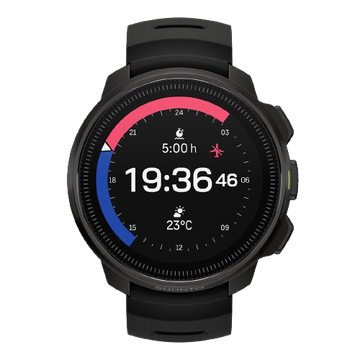


「ゴールが追いかけてくるランニング大会」と聞いて、どんなレースを想像しますか?Wings for Life World Run(ウィングス・フォー・ライフ・ワールドラン)は、決められた距離を走ってゴールを目指す一般的な大会とは仕組みが異なります。参加者が世界同時にスタートし、その30分後に動き始める「キャッチャーカー」に追いつかれた地点が、一人ひとりのゴールになります。
大会名やキャッチャーカーという言葉を初めて知った人にも分かるよう、まずレースの目的とルールを解説します。そのうえで、目標距離の決め方から練習、当日の準備まで、長く走り続けるための9つのポイントを紹介します。

Wings for Life World Runとは?
Wings for Life World Runは、脊髄損傷の治療研究を支援するためのチャリティーランイベントです。世界各地の参加者が同じ瞬間に走り始め、ランナーだけでなく、歩く人や車いすの参加者、初めてイベントに挑戦する人も一緒に参加できます。公式発表では、参加費の全額が脊髄研究に充てられます。
大きな特徴は、5kmやフルマラソンのような固定されたゴールがないことです。競うのは「何分で走り切るか」ではなく、「追いかけてくるゴールに捕まるまで、どこまで進めるか」。自分の体力や経験に合わせて目標を決められるため、距離の違う参加者が同じレースを楽しめます。
キャッチャーカーとは?「動くゴール」の仕組み

キャッチャーカー(Catcher Car)は、参加者を後ろから追いかける「動くゴール」です。全員がスタートしてから30分後に追走を開始し、徐々に参加者へ近づきます。キャッチャーカーに追いつかれた時点で、その人のレースは終了。そこまでに進んだ距離が記録になります。
会場型のレースでは実際の車が追走し、公式アプリで参加する場合は、アプリ内の「バーチャルキャッチャーカー」が音声で接近を知らせます。つまり、キャッチャーカーから逃げ切るレースではありません。いつか追いつかれることを前提に、自分が目標とする距離までペースを保つことが楽しみ方の中心です。
初めての人はここを押さえよう:速い人だけの大会ではありません。30分間のランやウォークを目標にすることも、ハーフマラソン以上を目指すこともできます。自分でゴール距離を設定できるのが、この大会の面白さです。
日本から参加するには
参加方法や開催地は年によって変わるため、まず公式サイトの開催地一覧を確認しましょう。近くに会場型のイベントがない場合でも、公式アプリを利用するApp RunやApp Run Eventが用意されている年は、日本の身近なコースから参加できます。
アプリ参加では、スマートフォンのGPSと音声案内を使います。事前に最新版のアプリをダウンロードし、位置情報とバッテリー設定を確認したうえで、Preparation Run(準備走)を試しておくと安心です。日本でのスタート時刻は開催年の公式案内で必ず確認してください。
キャッチャーカーに追いつかれるまで長く走る9つの練習ポイント

この大会では、目標距離によって必要なペースと走行時間が変わります。一般的な持久力トレーニングをすべて詰め込むのではなく、「自分が目指す距離まで、無理のないペースを維持する」ことから逆算しましょう。
1.目標距離と必要ペースを決める
最初に「何kmまで進みたいか」を決めます。公式のGoal Calculator(目標計算ツール)を使うと、目標距離に必要な平均ペースと走行時間の目安を確認できます。
例えば、普段5kmを走っている人がいきなり大幅な距離更新を狙うと、前半のオーバーペースにつながりやすくなります。現在の走力から少し背伸びする目標と、体調が良くない日の控えめな目標を用意しておくと、当日も冷静に走れます。
2.大会で走る路面に慣れる
アスファルト中心のコースを選ぶなら、練習でもロードを走り、着地の感覚や脚への負担に慣れておきましょう。普段トレイルを走る人がロードへ移ると、同じ動作の繰り返しでふくらはぎや足裏に負担を感じることがあります。
一方、アプリでトレイルを走るなら、急な登りやテクニカルな区間が少なく、GPSを受信しやすいコースが適しています。安全を最優先し、道路横断が多い場所、トンネル、深い森などは避けましょう。
3.週1回、短いスピード練習を取り入れる
目標ペースに余裕を持たせるには、インターバルやファルトレクのように速い区間とゆっくりした区間を交互に走る練習が役立ちます。最初は「ややきついペースで3分、ゆっくり3分」を3〜4回ほど繰り返すところから始めましょう。
高強度の練習は毎日行う必要はありません。十分にウォームアップし、痛みや強い疲労がある日は中止してください。具体的な組み立て方は「インターバルトレーニングのやり方」も参考にできます。
4.週1回のロング走で時間への耐性をつくる
目標距離に必要な時間を確認し、それに近い時間を低強度で動き続ける練習を段階的に増やします。ペースは会話ができる程度を基本にし、毎週距離を大きく伸ばすのは避けましょう。
長く走るほど速くなるとは限りません。楽な強度を守ることで、フォームを崩さず長時間動く感覚や、補給のタイミングを試せます。詳しくは「ロング走・LSDの効果と正しいやり方」をご覧ください。
5.短い流しでフォームと動きを整える
低強度のランニングだけでは動きが単調になりやすいため、体調がよい日はランの中盤または終了前に、10〜15秒の「流し」を4〜6本加えてみましょう。全力疾走ではなく、姿勢を保ったまま滑らかにスピードを上げ、各本の間は十分に回復します。
疲れてフォームが崩れる場合は行いません。目的は追い込むことではなく、脚の回転と走りのリズムを整えることです。
6.足裏・ふくらはぎ・体幹を補強する
カーフレイズ、片脚立ち、スクワット、ヒップリフトなど、特別な器具がなくてもできる補強を週1〜2回行います。ロードを長く走るためには、同じ動作を繰り返しても姿勢を保てる筋力が重要です。
原文では裸足ランニングも紹介されていますが、慣れていない人が急に取り入れると足裏やアキレス腱への負担が増えます。裸足で走ることを必須とせず、まずは安全な補強運動から始めましょう。
7.股関節と足首の動きを保つ
長時間同じ姿勢で走ると、股関節や足首の動きが小さくなり、フォームが崩れやすくなります。ランニング前は脚振りやランジなどの動的ウォームアップ、終了後は呼吸を整えながら軽いストレッチを行いましょう。
強く伸ばせば効果が高まるわけではありません。痛みのない範囲で続け、違和感が残る場合は休養や専門家への相談を優先します。
8.仲間と練習し、無理のないペースを覚える
Wings for Life World Runは、世界中の参加者と同じ目的を共有するイベントです。友人や家族と会話できるペースで走る日は、低強度を守りやすく、練習も続けやすくなります。
ただし、相手のペースに無理に合わせる必要はありません。速さが違う場合は時間と集合場所を決め、それぞれのペースで走る方法もあります。
9.本番と同じ時刻・装備・補給を試す
世界同時スタートのため、日本では普段と異なる時間帯に走る可能性があります。開催年の時刻を確認し、可能であれば同じ時間帯に練習して、食事、暑さや暗さ、交通量の違いを把握しましょう。
60〜90分を超えて走る予定なら、水分や補給食をいつ、どの程度取るかも練習で試します。初めて使うシューズや補給食を本番で試すのは避け、天候と自分の発汗量に合わせて調整してください。
初心者向け・1週間の練習例
次は、すでに週2〜3回走る習慣がある人を想定した一例です。すべてを行う必要はありません。走歴、体調、目標距離に応じて休養日を増やし、距離や時間は段階的に調整してください。
| 曜日 | 内容 | ポイント |
|---|---|---|
| 月 | 休養 | 睡眠と疲労回復を優先 |
| 火 | イージーラン30〜45分 | 会話できる強度 |
| 水 | 補強とモビリティ20〜30分 | 足首・股関節・体幹を中心に |
| 木 | インターバル | 3分やや速く+3分ゆっくり×3〜4回 |
| 金 | 休養または軽いウォーク | 疲労があれば完全休養 |
| 土 | イージーラン30分+流し4本 | 流しは全力にしない |
| 日 | ロング走60〜90分 | 目標に合わせて少しずつ延長 |
大会当日に慌てないための準備
アプリで参加する場合は、前日までにスマートフォンのGPS、位置情報、バッテリー設定を確認し、実際のコースで準備走を行います。トンネルや高い建物、木が密集した場所ではGPSが不安定になる可能性があるため、見通しがよく、安全に走れる周回または往復コースを選びましょう。
- 公式アプリとスマートフォンを最新版にする
- スマートフォン、ウォッチ、イヤホンを十分に充電する
- 交通規則を守り、画面を見ながら走らない
- 天候、気温、日没時刻を確認する
- 必要な水分、補給食、ライト、反射材を用意する
- 体調不良や危険な天候では参加を見合わせる
大会の仕様、アプリの操作、開始時刻は更新されることがあります。参加年の公式ヘルプを確認してください。
Ghost Runner(ゴーストランナー)とSuunto Runを練習に活用する
キャッチャーカー方式では、前半に飛ばしすぎず、目標距離に必要なペースを安定して刻むことが大切です。Suuntoウォッチでランニングを記録すると、ペース、心拍数、心拍ゾーン、距離、経過時間を確認できます。練習後はSuuntoアプリで負荷と回復の傾向を振り返り、ロング走や高強度セッションが続きすぎていないか確認しましょう。
目標ペースを身体で覚える練習には、SuuntoPlusの「Ghost Runner(ゴーストランナー)」も活用できます。設定したペースで走る仮想ランナーに対し、自分がどれくらい先行または遅れているかをウォッチ上で確認できる機能です。速く走るためだけでなく、ロング走の序盤でペースを上げすぎないためにも役立ちます。
Ghost Runnerはキャッチャーカーを再現する機能ではありません。大会の公式アプリとは別に、目標ペースを一定に保つ練習を支える機能として使います。利用できる機種や操作方法は更新される場合があるため、SuuntoアプリのSuuntoPlus Storeとウォッチの最新ソフトウェアを確認してください。
数値は他の人と比べるためだけのものではありません。同じコース、同じ程度のペースでも心拍が高い日は、暑さや疲労の影響が考えられます。「ランニングのトレーニング負荷を管理する方法」も参考に、休養を含めて計画してください。
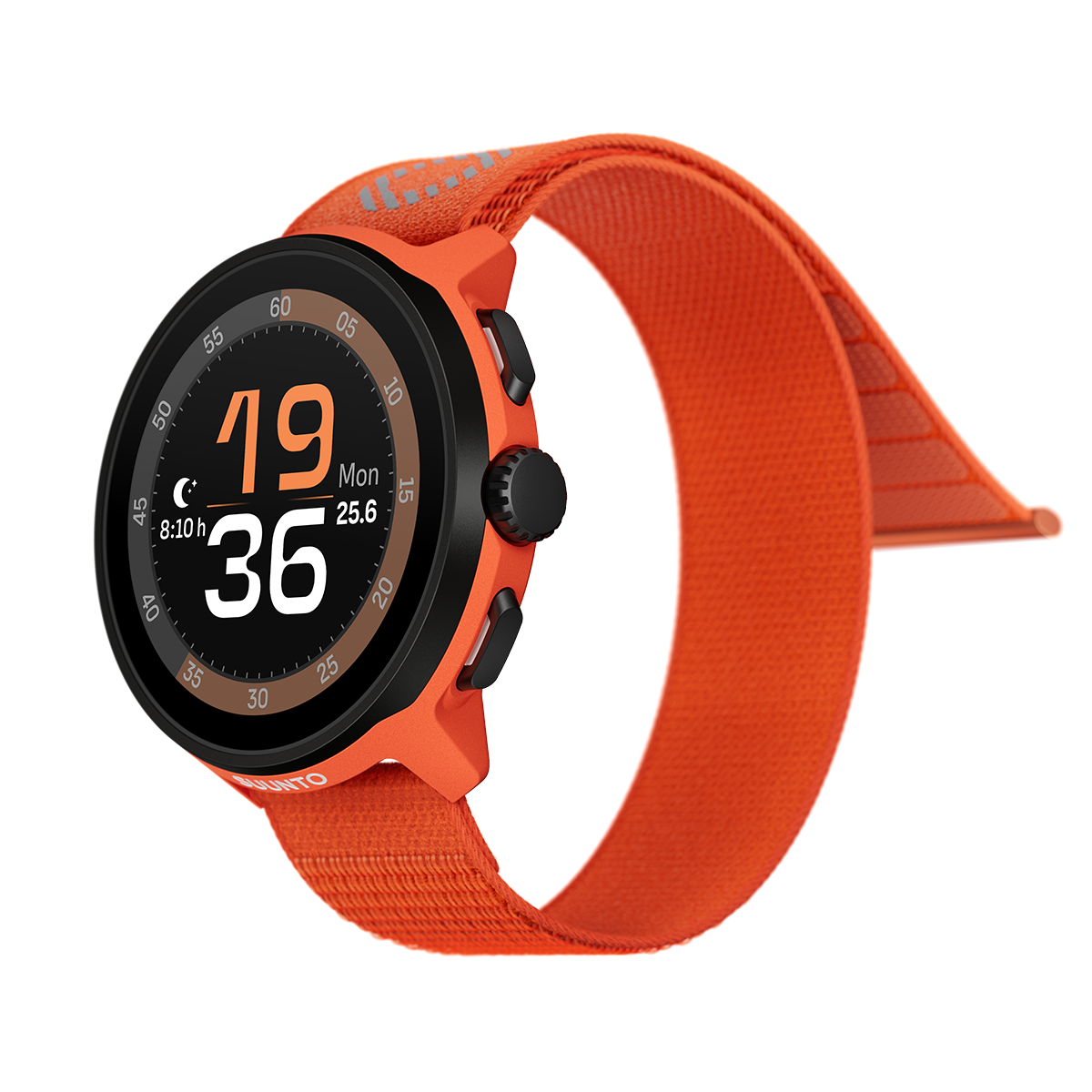
ランニングに特化した軽量スポーツウォッチ「Suunto Run」は、Ghost Runner、構造化ワークアウト、デュアルバンドGPS、トレーニング負荷や回復の記録に対応しています。目標ペースをつかむ日々の練習から、Wings for Life World Run本番のペース・距離・心拍の記録まで、一貫して振り返りたいランナーに適した選択肢です。
まとめ|自分で決めたゴールまで、世界と一緒に走ろう
Wings for Life World Runは、固定されたゴールへ向かうのではなく、後ろから迫るキャッチャーカーに追いつかれるまで進むチャリティーランです。大会名を初めて聞いた人でも、短いランやウォークから参加できます。
まず目標距離と必要なペースを確認し、低強度のラン、短いスピード練習、ロング走を無理なく組み合わせましょう。Suunto RunとGhost Runnerを使ってペース感覚を磨き、心拍やトレーニング負荷を振り返れば、自分に合った練習量と当日のペース配分を考える材料になります。


