




SUUNTOブログ


THE POWER OF MOUNTAINS
Where do you draw strength and solace amidst hardships, how do you turn fear into courage? Andy Earl, a Utah-based artist and adventurer shares his story and talks about his love for the mountains and how they have shaped his life.
Watch the short film now:
The Power of Mountains with Andy Earl


KIMBERLY, DAVID AND KYLE ARE THE VERTICAL WEEK PHOTO CONTEST WINNERS!
World Vertical Week was held last week and the hundreds of pictures tagged with #VerticalWeek give a wonderful look at what people were up to during the event. Thank you very much for participating and sharing the photos, everyone!
The three lucky photo contest winners are Kyle Conway, David Jeker and Kimberly Strom. Congratulations! They all will receive Suunto Ambit3 Vertical GPS watches for their inspiring images.
putting in some more hard miles before #gorge100k @briehemingway @ultracrazychris #teamultracrazy #trailfamily #trailrunning #trailporn #training #suuntoverticalcanada #verticalweek #epictrailrunning #teamtransalpine
A photo posted by Kyle Conway (@kc_lumberguy) on Feb 20, 2016 at 11:08pm PST
Kyle Conway shot his winning photo at his local Baden Powell Trail in North Vancouver, Canada.
“We ran about 30 km with about 1250 m of climbing, including two loops of the "Seymour Grind", a popular "climbing route" for trail runners,” Kyle tells about the day the photo was taken.
Over the Vertical Week Kyle climbed 4700 m.
“2016 has been a year with goals of improving my climbing, and Suunto's Vertical Week was a perfect opportunity to step things up.”
Dream big. #trailrunning #catogne #trailvsb #whatanadventure #waaultra #waateam #verticalweek #livingthedream #jesuisloup
A photo posted by David Jeker (@davidjeker) on Feb 17, 2016 at 8:11am PST
David Jeker used the Vertical Week as his last week of hard training before tapering for Transgrancanaria in early March.
“I ran nine times during the week, always near my place in Salvan, Switzerland. I kept the best training for the end and did some hill repeats on a very steep trail on Sunday. I ran up and down five times for a total of 2300 meters. Totals for the week were 122 km with 4350 meters of ascent.”
David’s photo was taken during a 33 km long run with 1350 meters of ascent.
“I had originally planned on doing an easy run down in the valley but when I saw that the snow had mostly melted higher up, I changed my plan. It was Vertical Week after all! I ran up to one of my favorite trails and took a picture of Catogne,” David says.
“I’m running a race (X-Alpine / Trail Verbier St-Bernard) this summer that goes up, down and around that mountain. Since I’ve registered for that race, the sight of this impressive mountain is always a great source of motivation!”
Finished the week with a big day, +2400m and plenty of sun. #verticalweek #suuntoski
A photo posted by @kimberly.strom on Feb 21, 2016 at 10:38pm PST
Kimberly Strom’s Vertical Week was a true multisport one: she ran in the Jura mountains, nordic skied, and had a big skimo day in the French Alps gaining a total ascent of about 5000 m for the week.
In Kimberly’s photo her friend Noémie leads their climb to Col de l'Encrenaz on the way to Mont Buet (3096 m), in the French Alps.
“The route allowed us a quiet morning, away from the busy ascent of Buet. With some extra skinning we earned the chance to be alone at the summit, arriving late in the afternoon after two long climbs (1300 m and 1100 m).”
Along the way they saw many small avalanches as the sun heated the snow, watched a huge ibex perched on an impossible ledge, took a break to sit protected from the wind and enjoyed the view, kick-turned up icy slopes, and struggled to break through the crusty, crème brûlée descent. When they arrived back at the bottom the towering peaks glowed pink.
“I can't think of a better day than spending all of it with friends in the mountains: working hard, feeling sun and wind burn, rewarded constantly with beauty, feeling accomplishment and the desire to go again.”
Kimberly uses Suunto Ambit3 Sport to track her moves.
“I never leave home without it. Track-back feature helps me find my way after some exploring!”

Win a Suunto Ambit3 Vertical in World Vertical Week’s photo contest
World Vertical Week started today! Share a photo showing your World Vertical Week spirit on Instagram or Facebook between February 15–21, 2016 and tag the photo with #VerticalWeek for a chance to win a Suunto Ambit3 Vertical watch.
The three most inspiring photos will be chosen as winners.
During World Vertical Week every move will add to your country’s totals and soon we’ll find out where in the world people push uphill the most. Track your adventures with your Suunto watch. Every move and every sport counts.
The only thing you need to do to participate in the event is to make sure your country information in the settings is correct. After that your ascent will automatically be calculated in your home country’s total figure.
By the end of the week we’ll find out where in the world the real climbers live and can compare different sports, too. Have fun!
Read the terms and conditions of the photo contest


Meet the orienteer who runs a 2h18m marathon
Thought orienteering was a strange fringe sport for runners who like map reading? Think again! The guys competing at the top are phenomenal athletes. Suunto ambassador Mårten Boström is one of them. We asked him how he does it – and why he loves a good map, especially if it’s upside down.
What’s your training involve? Whenever I'm healthy I am running around 140-170 km per week, but since my sport is not only about running, I do many other forms of training too. At the moment it adds up to 20 hours a week.
Time in the gym?I am just in the midst of a speed strength period where I go to the gym for short and fast series of squats, one leg squats and calf-lifts. Towards the end of the period I transfer the gained power to running through jumps and 7x7 second hill sprints.
How did you get into orienteering?My older siblings were practicing the sport so I followed their example at a young age and remember my first race at the age of five.
What is the appeal? The dual-task to manage finding the best route through unknown terrain while you put your body under hard physical stress.
Is it more important to be a great athlete or great navigator? The challenge is to stay focused in navigating while running as fast as you can, so both are important. Nowadays maps are so good at elite events that any small mistake in navigation will likely put you outside the podium.
And you need to be good at math right? It's continuous thinking until the finish line.
Your bio says you like making maps?
Mapmaking is both professional and fun. I'm pursuing a PhD in Geographical Information Science at the University of Helsinki, where I research methods of using LiDAR data (laser technology) for mapmaking, but I have also drawn various maps around the world. The best situation is when I can combine running and work, which I have recently done in Taita Hills, Kenya.
Why is navigating with a map and compass better than GPS? There is a place for both! Generally a GPS would show you the shortest way pointing you towards a POI, (point of interest) but with a map and compass I can find the fastest way. I do however also use GPX tracks guiding me on trail runs whenever out in unknown terrain, such as on remote islands in Thailand.
Have you always loved maps?Maps are works of art! As a kid I used to admire maps depicting far-flung places and draw fantasy maps of my own, so yes, I have always loved maps. When one learns how to read a map it's like learning a new language – and a new world of possibilities open up.
Do you have a favorite? I like maps which depict things other than purely geographical themes, like bulging countries to represent population, rather than land mass. My favorite map however would have to be "the Upside Down World Map" which challenges the cartographic rule of always having north up and Europe in the center.
Can you give x3 tips to be a better map reader? 1) Study maps of different parts of the world2) Imagine what the terrain looks like, by creating a 3D image in your mind3) Keep your thumb pointing to your location on the map always moving it along as you run further.
What are your goals for 2016?I’m aiming at reclaiming the gold at the World Champs at the sprint distance in orienteering.
MAIN IMAGE: © Matleena Boström

ダイビングのオフシーズンにやるべき7つのこと|体力・器材・スキルの準備
しばらく海から離れるダイビングのオフシーズン。次のシーズンまで器材を保管して、再開直前に準備すればよいと思っていませんか。
ダイビングは、知識だけでなく、水中での動きや器材の操作に慣れていることが大切です。ブランクが長くなると、以前は自然にできていた確認や操作にも時間がかかることがあります。
元記事でアドバイスを寄せたのは、テクニカルダイバーであり、商業ダイビングのスーパーバイザーでもあるアンディ・トーベット。沈没都市、洞窟、深海の沈船、サンゴ礁など、さまざまな環境を探検してきた経験から、オフシーズンも「ダイビングの準備期間」として活用することを勧めています。
この記事では、ブランク明けも落ち着いて潜るために、オフシーズンに取り組みたい7つの準備を紹介します。
目次
1. 完全なオフシーズンをつくらない
2. 基本スキルと緊急時の手順を復習する
3. 有酸素運動で基礎体力を維持する
4. 体幹と可動性を整える
5. 器材を点検・メンテナンスする
6. ダイブログとダイブコンピューターを見直す
7. 次の講習やダイビングを計画する
現行Suuntoダイブコンピューターで準備する
まとめ|オフシーズンを次のダイビングの準備期間に
1. 完全なオフシーズンをつくらない
アンディの最初のアドバイスは、できるだけ「完全なオフシーズンをつくらない」ことです。
いつもの海に行けない時期でも、プール講習や穏やかな環境での短いダイビングなど、安全に参加できる機会があれば、器材の扱いや水中での感覚を維持しやすくなります。潜る頻度が少ない人ほど、再開時にいきなり難しい環境へ入らず、余裕のある条件から戻ることが大切です。
長期間潜っていない場合は、自分だけで感覚を取り戻そうとせず、所属する指導団体やダイビングショップが実施するリフレッシュ講習を検討しましょう。必要な準備は、認定レベル、経験、ブランクの長さによって異なります。
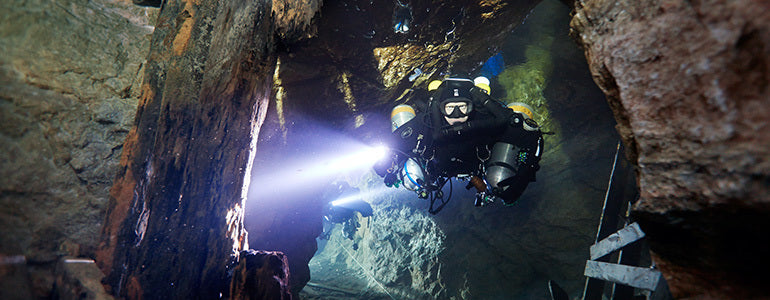
フィンランドのオヤモ鉱山を探検するアンディ・トーベット。Suuntoのダイビング製品もテストされてきた場所です。© Janne Suhonen
2. 基本スキルと緊急時の手順を復習する
水中で落ち着いて行動するには、基本動作を繰り返し確認しておくことが役立ちます。オフシーズンには、講習で学んだ内容や自分のチェック手順を見直しましょう。
バディチェックの順序
マスククリアやレギュレーターリカバリー
浮力調整と安全停止
残圧、深度、潜水時間の確認方法
エア切れやバディとはぐれた場合の手順
ダイブコンピューターの警告表示と操作方法
実技を練習するときは、必ず資格を持つインストラクターやダイブプロフェッショナルの管理下で、講習に適した環境を選んでください。環境や器材構成が変われば、必要な手順も変わります。
3. 有酸素運動で基礎体力を維持する
ダイビングは速さを競うスポーツではありませんが、身体的な負担がないわけではありません。エントリー地点まで器材を運ぶ、流れの中でフィンを動かす、水面を泳ぐ、ボートへ上がるといった場面では、基礎体力が余裕につながります。
ウォーキング、スイミング、軽いランニング、サイクリングなど、継続しやすい有酸素運動を生活に取り入れましょう。大切なのは急に負荷を上げることではなく、無理なく動き続けられる状態を保つことです。
体力があれば、多くの状況で助けになります。
© Martin Hartley
4. 体幹と可動性を整える
タンクやBCDなどを含むダイビング器材は重く、着脱や移動の際に腰、肩、膝へ負担がかかります。オフシーズンは、体幹の安定性と関節の可動性を見直す機会です。
スクワット、ヒップヒンジ、体幹を安定させる運動などを、正しいフォームで少しずつ取り入れましょう。肩や膝、腰などに違和感がある場合は、痛みを我慢してトレーニングせず、医療従事者や専門家へ相談してください。
体力づくりは、無理に重い器材を持ち上げるためではありません。必要に応じてバディやスタッフの助けを借り、器材を分けて運ぶなど、身体への負担を減らす工夫も安全準備の一つです。
© Janne Suhonen
5. 器材を点検・メンテナンスする
次のダイビング直前になって不具合に気づかないよう、余裕のあるオフシーズンに器材を確認します。
レギュレーター、BCD、ドライスーツなどの点検・定期サービス時期
マスクやフィン、ストラップ、バックルの劣化
ホース、Oリング、ファスナー、バルブ周辺の状態
ダイブライトや予備ライトのバッテリー
ダイブコンピューター、トランスミッター、充電ケーブルの動作
安全器材やスペアパーツの不足
生命維持に関わる器材を自己判断で分解・修理せず、メーカーの指示や認定サービスセンター、信頼できるダイビングショップへ相談してください。保管方法も製品ごとに異なるため、取扱説明書に従います。
6. ダイブログとダイブコンピューターを見直す
オフシーズンは、過去のダイブログを落ち着いて振り返るよいタイミングです。潜水時間や最大深度だけでなく、使用した器材、ウエイト、スーツ、水温、視界、流れ、空気消費、体調、うまくいかなかった操作なども確認しましょう。
「安全停止で浮力が安定しなかった」「寒さで早めに終了した」「残圧の減りがいつもより早かった」といった記録は、次の講習や器材選び、ダイブプランを考える材料になります。
ダイブコンピューターは充電・電池残量、日時、個人設定、アラーム、ガス設定、ソフトウェア更新、アプリとの同期状態を確認します。設定を変更した場合は、次のダイビング前に表示と操作を確かめてください。
▶︎関連記事:「ダイビングログをもっと活用する方法|Suuntoアプリでダイブデータを振り返る」
7. 次の講習やダイビングを計画する
潜れない期間も、次の目標があればモチベーションを保ちやすくなります。行きたい場所を調べるだけでなく、必要な経験、講習、器材、移動、季節、現地ルールまで整理しておきましょう。
次に伸ばしたいスキルを一つ決める
リフレッシュ講習や継続教育の日程を確認する
認定カード、保険、健康状態、必要書類を確認する
ダイビングショップやバディと計画を共有する
自分の経験に合う海況・深度・環境を選ぶ
新しい環境や高度なダイビングへ進む場合は、適切な指導と経験が必要です。ダイブコンピューターを使うことは、必要なトレーニングや安全な計画の代わりにはなりません。
現行Suuntoダイブコンピューターで準備する
オフシーズンに器材構成を見直すなら、次のシーズンにどのようなダイビングをしたいかを基準に考えます。
Suunto Oceanは、ダイビング機能とGPSスポーツウォッチの機能を一台にまとめたモデルです。ダイビングだけでなく、日々の運動や睡眠、回復の傾向も継続して振り返りたい人に適しています。
Suunto Nauticは、大型AMOLEDディスプレイと長時間のダイビングに対応するバッテリー、レクリエーションからテクニカルダイビングまでを見据えた機能を備えたダイブコンピューターです。
Suunto Nautic Sは、よりコンパクトな形状で、スキューバダイビングやフリーダイビングに必要な水中機能へ重点を置いたモデルです。
どのモデルでも、実際に使用する前に取扱説明書を読み、表示、アラーム、設定、充電方法、アプリとの同期を陸上で確認してください。
まとめ|オフシーズンを次のダイビングの準備期間に
ダイビングのオフシーズンは、ただ次のシーズンを待つ時間ではありません。基本スキルの復習、体力づくり、身体のケア、器材の点検、ダイブログの振り返りを少しずつ進めることで、ブランク明けの不安を減らせます。
久しぶりに潜るときは、経験や資格に関係なく、余裕のある環境から再開することが大切です。必要に応じてインストラクターやダイビングショップのサポートを受け、次の水中体験を安全に楽しむ準備を整えましょう。
次のダイビングに向けて、信頼できる一台を
Suunto Ocean、Nautic、Nautic Sなど、目的に合ったSuuntoのダイブコンピューターを確認できます。
Suuntoのダイビング製品を見る

Meet the Italian guy who cycles insane distances
Omar is returning to the Arctic Circle next winter. © Omar di Felice
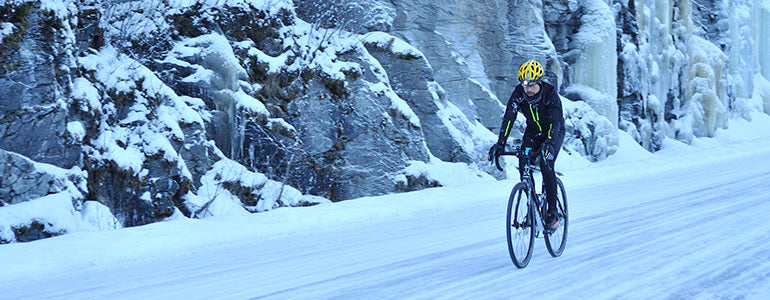
How was the Arctic? It was a once-in-a-lifetime experience! The roads were treacherous with spots of ice and snow all the way. The longest stage was the third; 203 km with an average temperature of -18° C! Staying on my bike for 10 hours in those conditions required a huge a mental effort. I often said to myself, “Hey Omar, you worked hard to come here, so enjoy the ride, look at the beautiful landscapes, and don’t think about effort.” Ride and smile: that’s the secret! Was it like being in a freezer? Yes, it was - 10°C to -34°C! I wore a specific Arctic base layer of merino wool. Then I wore cycling clothes and, to keep my hands and feet warm, I wore winter cycling shoes and two pairs of gloves.
The way to pass over your limits is with mind power.
The bicycle had studded tires and disc brakes. © Omar di Felice
What attracts you to the Arctic Circle? Cycling in the Arctic Circle is like a dream: the sound and the colour of the landscape are unreal! After one tough stage, I saw the magical northern lights. What is ultracycling all about? Ultracycling starts where standard cycling ends. During Tour de France you can rest and recover and usually you don’t face extreme weather conditions. I love to explore extreme environments and to stay on my bike for hours and hours.
The colors and quiet of the landscape is what attracts Omar to the Arctic Circle. © Omar di FeliceHow did you get into it? When I finished my ‘standard cycling’ career I tried to find something that would allow me to explore my limits. So I started cycling alone, for more than 10 hours at a time. I did my first extreme cycling race in 2011 and fell in love with it. Why do you enjoy it? I enjoy the ability to explore the world at the speed and in the manner I prefer. For example, in 2015, when I cycled from Paris to Rome (1600 km) nonstop, I passed by the Tyrrhenian Coast, through the Alps, and two countries in only 72 hours. Exploration is one of my considerations when I look for an extreme challenge.
Omar says cycling in the Arctic Circle is like a dream. © Omar di FeliceDo you prefer racing or your solo adventures? I’ve won races like the Race Across Italy, Le Raid Provence Extreme, Ultracycling Dolomitica and Le Tour du Mont Blanc and enjoy the intensity. But my solo adventures are more fascinating: it’s a fight against myself! I decide on a route, and I try to reach the goal in a predetermined time. Training keep you busy?Depending on the time of the year I ride between 400-500 km to 600-700 km per week. I don’t like to spend all my energy during training. It’s important to train well but also to arrive at race day with full mental and physical energy.
Ride and smile: that’s the secret!
Due to the conditions Omar limited his speeed to 22-23 km/h. © Omar di Felice
How do you train? Recently the level of competition has become very high. To win the Race Across Italy, for example, I rode for 29 hours at a high average speed. This means I have to train for both endurance and power. For Back to the Arctic, I trained during the night and in cold conditions, wearing summer apparel to acclimatise my body. How does technology help you? I’m very fascinated by the science of training. My Suunto Ambit3 Sport helps me monitor progress during and after training by analysing performance data. The watch is also useful for social media as one of the most important things for an athlete is telling the story of an adventure!
© Omar di FeliceWhat’s next for you? Next winter I’ll do another Arctic cycling adventure, but this time Iceland’s 1358 km ring road. In September, I will attempt my longest ride yet – 2000 km from Pau in the French Pyrenees to the top of Stelvio Pass in northern Italy, crossing the Pyrenees, Mont Ventoux and the French, Italian and Swiss alps along the way.


