




SUUNTOブログ


Sharks galore as Cristina Zenato takes over @suuntodive
Shark professional, cave diver, and PADI course director Cristina Zenato is taking over @suuntodive on Instagram for a week, beginning today. Make sure to follow to learn more about the world of sharks!© Victor Douieb
Tell us about yourself I am originally from Italy. I grew up in the African rainforest and I have lived the last 22 years in the Bahamas, where I follow my work and passion, which tend to blend into one activity. I am a shark professional and behaviourist; I specialize in human and sharks interactions. I’m also a cave diving instructor and active explorer and a PADI course director. I love to dive and share my diving through teaching it and through my images and presentations. My passion is my work, my work is my passion. Where do you dive? Primarily in the Bahamas, but I am always trying to find places where I can further my experience and knowledge about sharks and caves. I have been in many locations in the world to meet other people who work with sharks and learn more about cave, technical diving and exploration. Among them were Italy, England, Fiji, Rhode Island, California, South Africa, Mozambique, Dominican Republic, Cuba. What inspires you about the ocean? There are a lot of lessons to be learned from the underwater world and from nature in general. The most beautiful inspiration is in how everything seems to connect and flow together, in a perfect balance between beauty, life, death, darkness and light. The underwater world teaches a valuable lesson in the power of now and the power to accept all those around us and learn to coexist. Is there a story you wish to tell with your images? The story I wish to tell is the one of inspiration, I want people to see that dreams do come true, that if we listen and work where our hearts want to go we can get there. It's a story of communications with other animals, specifically with my sharks and one of acceptance and respect. It's a story of discoveries, of imagination, of a life rich of extraordinary mundane events. Visit Cristina’s website and Facebook page for incredible shark images.


GPSウォッチのデータ活用方法|距離・ペース・心拍数をトレーニング改善につなげる
GPSウォッチで距離、時間、ペースを確認して、「今日は速かった」「今月はたくさん走った」で終わっていませんか。記録した数字は、それだけでも達成感を与えてくれます。しかし、トレーニングを改善するには、数字を身体にどんな負荷がかかったかという視点につなげることが重要です。
特にトレイルランニングでは、同じペースでも登り、下り、路面、標高によって負荷が変わります。本記事では、GPSウォッチの基本データからトレーニングの意味を読み取り、次の練習へ生かす方法を解説します。
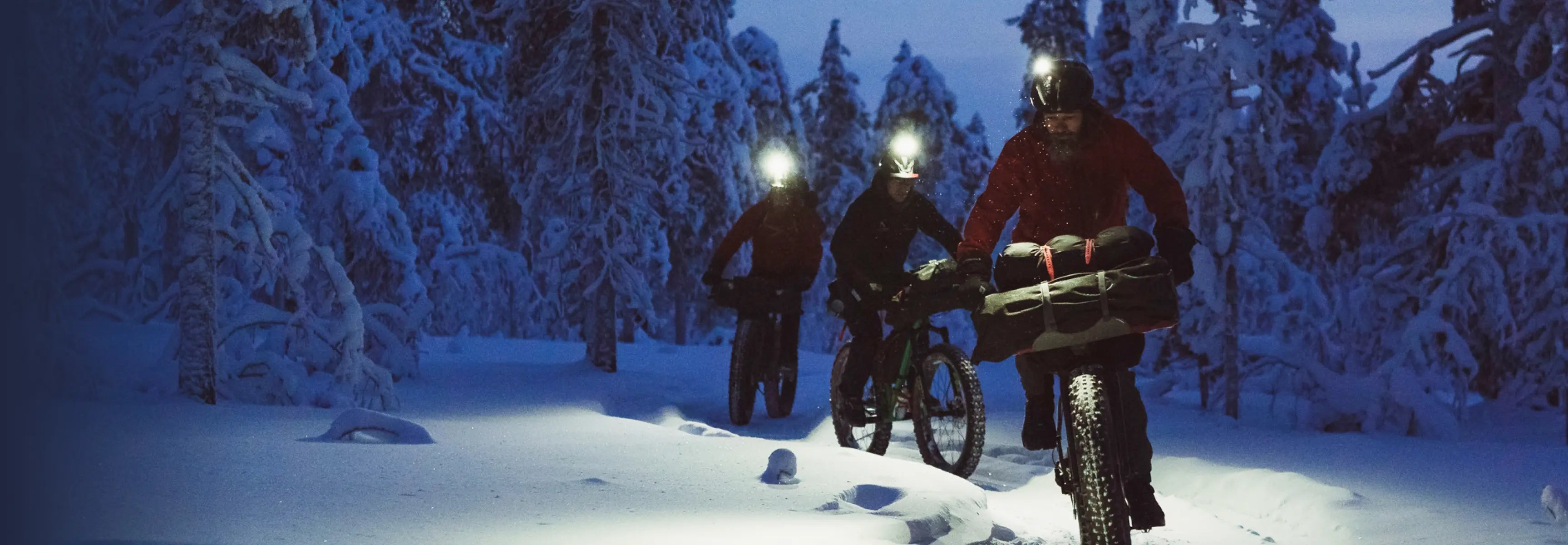
距離やペースの先にある「身体への負荷」を読み取ると、記録を次のトレーニングへ生かせます。写真:zooom.at/bergermarkus.com
目次
記録と分析は何が違う?
まず確認したい基本データ
心拍数から運動強度を読み取る
トレイルではペースだけを比べない
登りと下りの負荷を分けて考える
トレーニング負荷と回復を見る
データを生かす振り返り手順
目的に合うSUUNTOウォッチ
まとめ
GPSウォッチの「記録」と「分析」は何が違う?
原文に登場するウルトラランニングコーチ、ジェイソン・クープは、多くのランナーがウォッチから得られる情報を十分に活用していないと指摘しています。
距離、時間、ペース、上昇量、心拍数は「何が起きたか」を示す記録です。そこから、運動がどれくらいきつかったか、どの能力に刺激が入ったか、回復にどの程度時間が必要かを考えることで、初めてトレーニングの判断材料になります。
一つの数字だけで良し悪しを決めない。ペース、心拍数、高低差、主観的なきつさ、体調を組み合わせて見ることで、その日のトレーニングをより正確に理解できます。
まず確認したい5つの基本データ
データ
分かること
見るときの注意
時間・距離
運動量の基本
急激な増加が続いていないか確認する
ペース
移動速度とペース配分
坂、路面、風、停止時間の影響を受ける
心拍数
身体内部の運動強度
暑さ、疲労、睡眠、計測状態でも変化する
上昇・下降
コースの垂直方向の負荷
距離だけでは表れない負荷として見る
主観的運動強度
本人が感じたきつさ
数値と感覚のずれも大切な情報になる
心拍数から「同じペースでも違う負荷」を読み取る
ペースは身体の外側で起きた結果、心拍数は身体がどれだけ働いたかを見る手掛かりです。例えば同じ5kmを同じペースで走っても、暑い日、疲労がある日、登りが多いコースでは心拍数が高くなることがあります。
心拍ゾーンを使うと、低強度の持久走、高強度のインターバルなど、トレーニングの目的に合った強度だったかを振り返りやすくなります。ただし、手首心拍は装着状態や寒さ、腕の動きなどの影響を受ける場合があります。高い精度が必要なトレーニングでは、対応する胸部心拍センサーも選択肢です。
糖質や脂質など、運動強度によって使われるエネルギーがどう変化するかは、身体を動かす3つのエネルギー供給機構で解説しています。
トレイルランニングではペースだけを比べない
舗装路のランニングでは、同じコースや平坦な路面ならペースを比較しやすい一方、トレイルでは路面、斜度、標高、天候によって速度が大きく変わります。そのため、1kmあたりのペースが遅いだけで「調子が悪かった」と判断すると、実際の負荷を見誤ります。
登りでは速度が落ちても、心肺への負荷は高くなることがあります。写真:zooom.at/bergermarkus.com
トレイルの振り返りでは、次の組み合わせで見てみましょう。
時間と距離に加えて、累積上昇・下降を確認する
登り区間の心拍数と主観的なきつさを見る
同じコース、似た天候、近い装備条件で比較する
ペースが遅くても、予定した低強度を維持できたか確認する
登りと下りの負荷を分けて考える
クープは、登りや平坦区間で生じる心肺への負荷と、下りで大きくなりやすい筋骨格系への負荷を分けて考えることを提案しています。
登りでは心拍数や呼吸の変化から有酸素能力への刺激を捉えやすくなります。一方、下りは心拍数が低くても、着地衝撃やブレーキ動作によって脚に大きな負担がかかる場合があります。翌日の大腿部の筋肉痛や動きにくさも含めて記録すると、下りへの適応を判断しやすくなります。
登りのペースが改善しているかだけでなく、同じ程度の下降量を走った後の筋肉痛や回復時間が変化しているかも確認しましょう。
1回の記録から、トレーニング負荷と回復へ
一つのアクティビティを分析したら、次は数週間の流れで見ます。Suuntoアプリでは、トレーニングストレススコア(TSS)などを使って、運動時間と強度を組み合わせた負荷を確認できます。
TSSは異なる種類のトレーニングを共通の尺度で振り返るための目安ですが、疲労や故障を完全に予測する数字ではありません。睡眠、体調、筋肉痛、仕事や生活上のストレスも一緒に考えます。詳しい見方は、SuuntoアプリのTSSとは?トレーニング負荷の見方をご覧ください。
データを次の練習へ生かす5分間の振り返り
目的を確認:今日は低強度、テンポ走、登りの強化など、何を狙ったか
基本データを見る:時間、距離、ペース、心拍数、上昇・下降を確認
感覚を追加:きつさ、脚の状態、補給、天候を短くメモ
目的との差を見る:予定より強すぎなかったか、必要な刺激が入ったか
次の行動を決める:予定どおり進める、負荷を下げる、回復日を増やす
毎回すべての項目を細かく分析する必要はありません。目的に関係する2〜3項目を選び、同じ方法で継続して比較するほうが変化を捉えやすくなります。
目的に合うSUUNTOウォッチで記録する
長時間のGPS記録、オフラインマップ、トレーニング分析に対応するSuunto Vertical 2
Suunto Run:軽量で、日々のランニングやインターバルトレーニングを記録したい人に
Suunto Race 2:レースや体系的なトレーニングに取り組み、見やすい画面でデータを確認したい人に
Suunto Vertical 2:登山や長距離トレイルで、長時間記録とオフラインマップを重視する人に
モデル名の違いより大切なのは、目的に必要なデータを継続して記録し、Suuntoアプリで同じ視点から振り返ることです。
まとめ:数字を集めるだけでなく、次の判断につなげよう
GPSウォッチのデータは、速かったか遅かったかを判定するだけのものではありません。距離、ペース、心拍数、上昇・下降、主観的なきつさを組み合わせることで、身体にどんな負荷がかかり、次に何をすべきかを考えられます。
まずは次のアクティビティで、「目的」「心拍数」「主観的なきつさ」の3つを振り返ってみましょう。シンプルな習慣を続けることが、記録をトレーニングの改善へ変える第一歩です。
記録を、次のトレーニングへ
心拍数、トレーニング負荷、上昇・下降などを記録できるSUUNTOスポーツウォッチをチェックしてください。
SUUNTOスポーツウォッチを見る

Watch this underwater drone footage of Will Trubridge diving deep
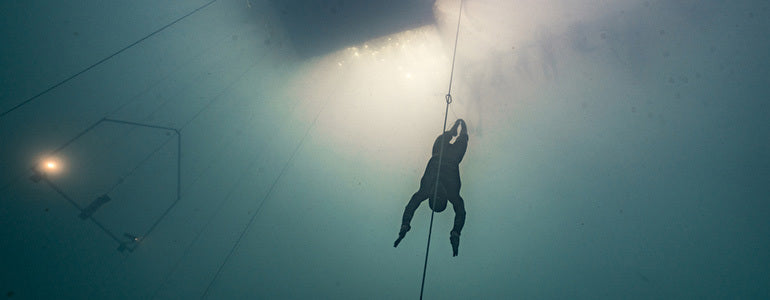
The X-Adventurer Freetracker is going to be a game changer for freediving.The X-Adventure Freetracker following William down. © Daan Verhoeven
When Suunto ambassador William Trubridge attempts to break his own freediving world record in July, an underwater drone will follow his dive.
He and his team tested the drone, called the X-Adventurer Freetracker, during Vertical Blue 2016 and hope at next year’s competition it will offer live video to audiences around the world.
It’s mounted on parallel tracks adjacent to the competition dive line, and descends and ascends with the diver, capturing the entire journey from the surface to the plate and back again.
See how long you can hold your breath as William dives!
“For this year we just got a proof of concept,” Will says, “but for next year’s Vertical Blue we hope to have it hooked up to a live internet feed, so people can watch from the other side of the world while an athlete grabs the tag at 120 m.”
“I think it’s going to be a real game changer for the sport because once people can tune in and be in their living room watching someone dive to 100 m as it happens, then that will really increase the spectatorship of the sport.”© Daan Verhoeven
Aside from making freediving more accessible to spectators, The X-Adventurer Freetracker will also improve safety. Never before have safety staff been able to see what’s happening for an athlete at depth before. If anything goes wrong, the safety crew will see it immediately via a live feed at the surface.
“It will definitely help with analysis of technique also,” Will says. “Because there's such a logistical difficulty in videographers going deeper than 40 m, a lot of freedivers have never seen what their technique looks like at depth from a good angle.”
William is attempting to break his current world record of 101 m this July and the X-Adventurer Freetracker will follow his journey into the depths.
Stay tuned!

How to use Suunto AIM-6 Thumb Compass
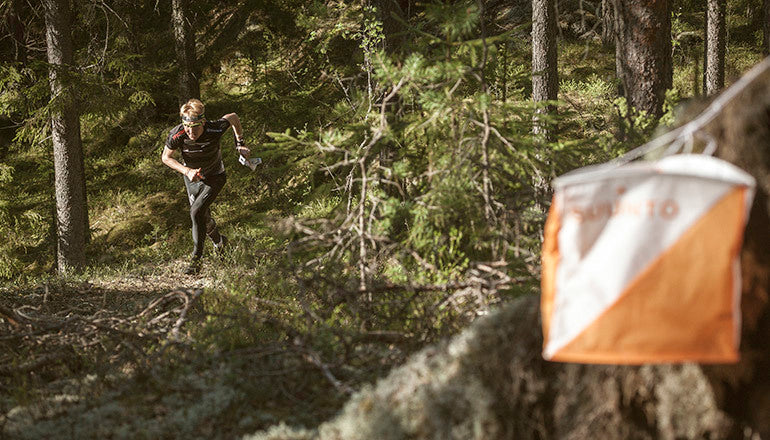
Mårten Boström says that the process of developing a new compass was an interesting one. “I have realized how much I as an elite orienteer can give insight to the product development team into how the product is actually used,” Boström says.
The team came up with an innovative design that supports three methods of direction finding. You can easily switch between methods, even during the same event, to match the challenges of your current terrain or the distance to the next control point.
With the AIM compasses it is possible to find and follow the direction in different ways. Which methods do you use and when?
On short legs I simply place the compass on the control leg and turn my body facing the next control to align the map meridians and needle north.
After I have picked a distinguishable object in the terrain to aim for I check which color/symbol -combination the north arrow is pointing to and aim for that same visual combination on every glimpse while proceeding towards the next control.
If I only need a course direction towards a big object (e.g. a lake) I might just use a whole sector in a similar manner.
On long legs I turn the compass capsule so I can see the north arrow fit in the orienting indicator – thus I don't need to keep the compass on top of the map on the rest of the leg.
In all of these I'm of course AIMing into the correct direction where the red arrow on the far end of the compass plate is.
The new Suunto AIM-6 can be used with a magnifying lens. When do you use that?
A loupe (or magnifying lens) is starting to be a popular accessory even for orienteers with good eyesight. There are more and more details on the maps nowadays and the loupe really helps.
Place the loupe in front of the thumb compass so that you can see the corner of the compass baseplate but mainly magnifying the map.
READ MORE
Learn more about the new AIM-6 and AIM-30 compasses
World champion’s 10 tips for orienteering
Meet the orienteer who runs a 2h 18m marathon


DEVELOPING A NEW ORIENTEERING COMPASS IS A TEAM EFFORT
Mårten, when did you start working on this project?
I have been involved in the development of Suunto's new orienteering compass line from the beginning of the year.
Product development is exciting as I have realized how much I as an elite orienteer can give insight to the product development team into how the product is actually used.
Mårten Boström worked closely with Suunto's compass business line manager Henrik Palin and designer Heikki Naulapää.
What did you want to change or improve?
As the compass is an orienteer's most precise aiding tool in navigating it's been an interesting task to refine the current compass to become an even better friend when out in the woods.
I wanted to redesign the needle in order to achieve a better contrast on to the map, make the needle much more stable while keeping it fast and take away some markings on the baseplate.
The graphics on the baseplate and the compass capsule were designed based on Mårten’s feedback.
Since the use of the compass needs to be swift I wanted to add color and symbol codes on the edge of the bezel so that there's no need to rotate the compass capsule. Using the colors and symbols one can simply memorize where the arrow is aiming and advance rapidly.
Our goal was to make the colors and symbols on the AIM distinguishable but easily memorable.
What are the key characteristics of a great compass?
A great compass should be easy to use and have a fast & stable needle.
How do you actually test a compass?
The compass is best tested in actual orienteering conditions out in the forest where temperatures vary from -10°C to +35°C and twigs hit your face while you are trying to navigate through unknown terrain over hills and through marshes!
Learn more about the new AIM-6 Thumb Compass
Learn more about the new AIM-30 Compass


Alex Mustard takes over @SuuntoDive Instagram
Marine biologist, author and pro photographer Alex Mustard is taking over @suuntodive for a week, beginning today. Make sure to catch his incredible images and the stories behind them! What’s your story, Alex? I’m an underwater photographer and marine biologist from the UK. I have been taking underwater photos since I was nine years old and diving since I was 13. I’ve recently distilled all I have learned into the new book Underwater Photography Masterclass. Where do you dive?
All over the world! In salt water or fresh water. In crystal clear blues of the Pacific Ocean to murky green-browns at home in England. What inspires you about the underwater world? The diversity. This can be the biodiversity of life – the ocean is home to such a variety of animals, that getting to know them, watching the different ways they live their lives, is certainly many lifetimes worth. But more than that it’s the diversity of diving experiences I love. One week I might be aiming my lens at a great white, and the next week I am just as excited to be framing up seaslugs back home. Then it is on to shooting in caverns, with cathedral like light beams spilling in through gaps in the ceiling. And next diving deep inside a wreck, searching for secrets that nobody has noticed before.
How would you describe your photography style? I would say diverse. The non-diving world sees me as a specialist underwater photographer, of course. But within underwater photography I challenge myself to be able to photograph everything well, from shipwrecks to seahorses. Is there a story you wish to tell with your images? Most of us who dive are very passionate about the underwater world. Yet we all see how humanity is hurting the oceans. Taking out too many large predators, damaging fragile environments with destructive fishing and polluting the seas. I think that all photographers hope that their images will inspire a change in attitude from the general public.
Follow @SuuntoDive to see Alex’s images or follow him on Instagram and Facebook. Check out his book Underwater Photography Masterclass.


