






SUUNTOブログ


Congratulations to the Suunto Summit 2018 selections!
The 2018 Suunto Summiteers are:
Aniol, Spain
Daniel, Switzerland / Spain
Dmytro, Ukraine
Julia, Finland
Leonardo, Italy
Maggie, UK
Patrick, France
Patrik, Slovakia
Sherry, USA
Tara, USA
Teoh, Malaysia
Valentin, Romania
Verónica, Ecuador
(All participants have been individually contacted by Suunto.)
Welcome to #suuntosummit, everyone!
***** 5 February 2018 *****
Suunto Summit 2018
Do you want to be a part of a weekend full of trail running in the Finnish forest, workshops on Suunto products, and a little sauna too? If you can get to Helsinki for 4-6.5, we’ll do the rest!If this sounds like your kind of weekend, fill in the application below and tell us why you’re passionate about sports and Suunto, and share your story with #suuntosummit
Applications are due by 22.2.2018. (Amer Sports employees are not eligible for this Suunto Summit)
APPLY NOW
Here's what the Summit looks like in action!
In 2017 we hosted an inspiring group of 16 Suunto fans from around the world for a weekend of sharing experiences – and some muddy Finnish trails.
Summit team gearing up for the start of the trail race
Serene moment for Sante in the forest
Ready for orienteering?
Summiteers celebrating at the finish of Bodom Trail
All images by Philipp Reiter

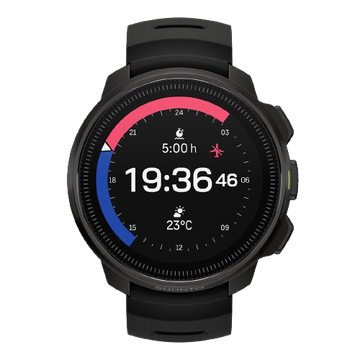
心拍ゾーンの計算・設定方法|Suuntoウォッチで強度管理を始める基本
ランニングやサイクリングでトレーニングを続けていると、「今日はどれくらいの強度で走ればいいのか」「イージーランのつもりなのに、実は頑張りすぎていないか」と感じることがあります。
トレーニングを改善するための基本は、頻度、時間、そして強度です。走る回数や時間はわかりやすい一方で、強度は少し判断しにくいものです。
その強度を把握するために役立つのが、心拍ゾーンです。
心拍ゾーンを設定しておくと、楽に走る日、持久力を高める日、しっかり負荷をかける日を分けやすくなります。Suuntoウォッチでは、心拍数、ペース、パワーをもとにした強度ゾーンを使って、トレーニング中の強度を確認できます。
この記事では、心拍ゾーンの基本、計算方法、ゾーン1〜5の役割、Suuntoウォッチでの設定方法、慣れてきた人向けのフィールドテストについて解説します。
心拍ゾーンとは?
心拍ゾーンとは、運動中の心拍数を強度別に分けたものです。
一般的には、ゾーン1からゾーン5までの5段階で表します。数字が大きくなるほど運動強度は高くなり、長時間維持することが難しくなります。
Suuntoの元記事でも、強度が変わると身体への負荷や得られるトレーニング効果が変わるため、自分のゾーンを知ることが大切だと説明されています。
簡単にまとめると、次のようになります。
心拍ゾーン
強度の目安
主な目的
ゾーン1
とても楽
回復、ウォームアップ、クールダウン
ゾーン2
楽に続けられる
持久力の土台づくり、ロング走
ゾーン3
ややきつい
テンポ走、一定ペースの維持
ゾーン4
きつい
高強度インターバル、閾値付近の練習
ゾーン5
非常にきつい
VO2max、短時間の最大努力
心拍ゾーンを使う目的は、毎回きつく走ることではありません。
むしろ、楽に走るべき日は楽に、追い込む日はしっかり強度を上げるための目安として使います。
心拍ゾーンの基本的な意味や、ゾーン1〜5をどのようにトレーニングで使い分けるかを先に知りたい方は、こちらの記事も参考にしてみてください。
▶︎関連記事:「心拍ゾーンとは?トレーニング強度を使い分けて持久力を高める方法」
本記事では、心拍ゾーンの考え方をふまえたうえで、実際にどのように計算・設定し、Suuntoウォッチで使い始めるかを解説します。
心拍ゾーンを設定すると何ができる?
心拍ゾーンを設定すると、トレーニングの目的が明確になります。
たとえば、イージーランの日にゾーン3〜4まで上がっているなら、予定より強度が高くなっているかもしれません。反対に、高強度インターバルの日にゾーン4〜5へ入っていなければ、目的の刺激に届いていない可能性があります。
元記事では、ゾーンを理解していないと「楽な練習がきつくなり、きつい練習が十分にきつくならない」ことがあると説明されています。
心拍ゾーンを使うことで、次のような判断がしやすくなります。
今日は本当に低強度で走れているか
ロング走の強度が高くなりすぎていないか
テンポ走やインターバルで目的の強度に入っているか
疲れている日に無理をしていないか
トレーニング全体の強度が偏っていないか
心拍ゾーンの計算方法
心拍ゾーンの設定には、いくつかの方法があります。
最初から完璧に設定する必要はありません。まずは最大心拍数をもとにした設定から始め、トレーニングを続けながら自分に合うように調整していくのがおすすめです。
最大心拍数を使って計算する
最もシンプルなのは、最大心拍数をもとに心拍ゾーンを設定する方法です。
最大心拍数とは、運動中に到達しうる最も高い心拍数の目安です。Suunto Race 2のユーザーガイドでも、心拍ゾーンは最大心拍数に基づく割合として定義され、最大心拍数がわからない場合は「220−年齢」の式で推定されると説明されています。
たとえば、40歳の場合は、
220 − 40 = 180bpm
が推定最大心拍数の目安になります。
ただし、この計算式はあくまで一般的な目安です。最大心拍数には個人差があり、同じ年齢でも実際の最大心拍数が大きく異なることがあります。
Suuntoウォッチでは、最大心拍数を自分で設定できます。実際のトレーニングやレースで、推定値より高い心拍数を何度も記録している場合は、設定を見直すことで、より実感に近いゾーンに近づけられます。
心拍ゾーンを設定するうえで、最大心拍数と安静時心拍数は基本となる数値です。最大心拍数は強度ゾーンの基準になり、安静時心拍数は日々のコンディションや回復状態を知る手がかりにもなります。
それぞれの意味や測り方については、こちらの記事で詳しく紹介しています。
▶︎関連記事:「安静時心拍数と最大心拍数とは?測り方とトレーニングへの活用」
安静時心拍数を使う方法
最大心拍数だけでなく、安静時心拍数も考慮する方法があります。
安静時心拍数とは、リラックスしている状態での心拍数のことです。最大心拍数と安静時心拍数の差をもとに、心拍予備量を使ってゾーンを設定する方法もあります。
Suunto Runでは、最大心拍数を使うゾーン、心拍予備量を使うゾーン、乳酸閾値心拍数を使うゾーンを選択できます。心拍予備量を使う設定は、乳酸閾値心拍数はわからないけれど、安静時心拍数を把握している場合の選択肢として紹介されています。
初心者はまず最大心拍数を使った設定で十分です。慣れてきたら、自分の安静時心拍数や過去のデータを参考に、より合う設定へ調整していきましょう。
乳酸閾値心拍数を使う方法
より正確に心拍ゾーンを設定したい場合は、乳酸閾値心拍数を使う方法があります。
乳酸閾値とは、運動強度が高くなり、身体がその負荷を長時間維持しにくくなる境目のひとつです。元記事では、強度が上がると乳酸がたまりやすくなり、有酸素性閾値や無酸素性閾値をもとにゾーンを考える方法が紹介されています。
Suunto Runでは、乳酸閾値心拍数を知っている場合に、その値をもとに心拍ゾーンを設定できます。
ただし、乳酸閾値心拍数を正確に知るには、ラボテストやフィールドテストが必要です。一般ランナーの場合は、最初からここまで細かく設定する必要はありません。
5つの心拍ゾーンの目安
ここでは、ゾーン1〜5の役割をもう少し具体的に見ていきます。
ゾーン1|回復・ウォームアップ
ゾーン1は、とても楽に感じる強度です。
ウォームアップ、クールダウン、リカバリーランに使いやすいゾーンです。呼吸に余裕があり、会話も問題なく続けられる程度が目安です。
疲労が残っている日や、高強度トレーニングの翌日は、ゾーン1を中心に身体を動かすことで、無理なく回復を促しやすくなります。
ゾーン2|持久力の土台づくり
心拍ゾーン2は、楽に続けられる有酸素運動の強度です。
長時間のランニングやサイクリング、ロング走、ベーストレーニングに使いやすいゾーンです。呼吸は安定していて、会話もできる程度ですが、完全に何もしていないほど楽ではありません。
「ゾーン2トレーニング」は、持久力の土台をつくる目的でよく使われます。
大切なのは、ゾーン2の日に頑張りすぎないことです。気持ちよく走っているうちにゾーン3へ上がってしまうこともあるため、ウォッチで心拍ゾーンを確認しながら走ると、強度を保ちやすくなります。
ゾーン3|テンポ走・一定ペースの維持
ゾーン3は、ややきついけれど一定時間維持できる強度です。
テンポ走、マラソンペース走、一定のペースを保つ練習に使われます。
このゾーンには明確な役割がありますが、すべての練習がゾーン3に集まりすぎると、疲労が抜けにくくなることがあります。
目的を持って使うことが大切です。
ゾーン4|高強度インターバル・閾値付近
ゾーン4は、きつい強度です。
短めのインターバル、坂道での反復走、閾値付近のトレーニングなどで使われます。
身体への刺激は大きく、スピードや高い強度を維持する力を鍛えるのに役立ちます。一方で、頻度が多すぎると疲労がたまりやすくなります。
ゾーン4の日の前後には、低強度の日や休養日を入れると、トレーニング全体のバランスを取りやすくなります。
ゾーン5|VO2max・短時間の最大努力
ゾーン5は、非常に高い強度です。
VO2maxを刺激するインターバルや、短時間の最大努力に近いトレーニングで使われます。長時間は維持できません。
経験の浅いランナーが頻繁に行う必要はありません。身体が十分に回復している日、目的がはっきりしている練習で使うのが基本です。
Suuntoウォッチで心拍ゾーンを設定する方法
Suuntoウォッチでは、心拍ゾーンを設定し、トレーニング中の強度管理に活用できます。モデルによって操作方法は異なりますが、多くのスポーツウォッチでは「強度ゾーン」から心拍ゾーン、ペースゾーン、パワーゾーンを確認・設定できます。
心拍ゾーンは最大心拍数などをもとに設定され、ゾーン1からゾーン5までの5段階で運動強度を確認できます。
また、ランニングやサイクリングなど、アクティビティ別の心拍ゾーンを設定することもできます。
Suunto Runでは、最大心拍数、心拍予備量、乳酸閾値心拍数をもとにしたゾーンタイプを選択できます。
最初はデフォルト設定から始めても問題ありません。トレーニングを続ける中で、体感とゾーンが大きくずれる場合は、最大心拍数やゾーン設定を見直してみましょう。
ランニングとサイクリングで心拍ゾーンは変わる?
同じ人でも、競技によって心拍数の反応は変わります。
元記事では、使う筋肉量や運動の特性によって、ランニング、サイクリング、スイミング、クロスカントリースキーなどで心拍ゾーンが少し異なることがあると説明されています。
たとえば、ランニングでは心拍数が上がりやすい一方で、サイクリングでは同じ体感でも心拍数がやや低く出る人もいます。スイムでは、さらに違う反応になることがあります。
ランニングとサイクリングの両方を行う人は、スポーツ別に心拍ゾーンを設定すると、より目的に合った強度管理がしやすくなります。
Suuntoウォッチでは、対応モデルでランニングやサイクリングのスポーツ別心拍ゾーンを設定できます。
▶︎Suuntoのトレーニング向けGPSスポーツウォッチを見る
心拍ゾーンが合っていないと感じたら?
心拍ゾーンは便利ですが、最初から完全に自分に合うとは限りません。
次のような場合は、設定を見直すサインかもしれません。
イージーランなのにいつもゾーン4に入ってしまう
かなりきついのにゾーン2〜3にしかならない
実際の最大心拍数が設定値より明らかに高い
ランニングとサイクリングで体感とゾーンがずれる
トレーニングプランの強度と自分の体感が合わない
このようなときは、最大心拍数、安静時心拍数、競技別ゾーンの設定を見直してみましょう。
ただし、1回のトレーニングだけで判断する必要はありません。心拍数は、暑さ、疲労、睡眠、水分状態、ストレスなどの影響を受けます。
また、ウォッチの装着位置やフィット感、腕の動きなどによって、手首で測定する心拍数が体感とずれることもあります。心拍ゾーンが合っていないと感じる場合は、設定だけでなく、心拍計測の状態も確認してみましょう。
ランニングウォッチの心拍数が正確でないと感じる理由や、測定精度を高めるポイントはこちらで解説しています。
▶︎関連記事:「ランニングウォッチの心拍数が正確でないと感じる理由」
慣れてきたらフィールドテストも選択肢に
より正確に心拍ゾーンを設定したい場合は、フィールドテストを行う方法もあります。
フィールドテストの例
1. 十分にウォームアップする 2. 30分間、できるだけ一定のきついペースで走る 3. 開始10分後にラップボタンを押す 4. 残り20分の平均心拍数を確認する 5. その値を閾値心拍数の目安にする
このテストは高い強度で30分間走るため、ランニング経験があり、体調に不安がない人向けです。
初心者や体調に不安がある人は、無理に行う必要はありません。まずはウォッチの自動設定や最大心拍数の見直しから始めましょう。
心拍ゾーンは絶対ではなく、体感と合わせて見る
心拍ゾーンは、トレーニングを整理するための便利な目安です。
ただし、心拍数だけでその日の状態をすべて判断できるわけではありません。
同じペースでも、暑い日、寝不足の日、疲労が残っている日には心拍数が高く出ることがあります。反対に、短いインターバルでは強度が上がっていても、心拍数の反応が少し遅れて表示されることもあります。
心拍ゾーンに加えて、次の感覚も確認しましょう。
呼吸のしやすさ
脚の重さ
会話できる余裕
フォームの安定
疲労感
睡眠や回復状態
数字と体感を組み合わせることで、より自分に合った強度管理がしやすくなります。
心拍ゾーンはトレーニング中の強度を知るための便利な目安ですが、強度管理には回復状態も関わります。
たとえば、同じゾーン2のランニングでも、十分に回復している日と、疲労が残っている日では、身体への負担の感じ方が変わることがあります。HRVを継続して確認すると、睡眠中の身体の状態や回復傾向を把握する手がかりになります。
HRVと回復の関係については、こちらの記事で詳しく紹介しています。
▶︎関連記事:「HRVとは?心拍変動を理解してトレーニングの回復を最適化する方法」
まとめ:心拍ゾーンは、トレーニングを使い分けるための地図
心拍ゾーンは、トレーニングの強度を整理するための便利な目安です。
ゾーン1は回復、ゾーン2は持久力の土台づくり、ゾーン3はテンポ走、ゾーン4は高強度インターバル、ゾーン5はVO2maxや最大努力のトレーニングに活用できます。
最初は最大心拍数をもとにした設定から始めて問題ありません。
トレーニングを続ける中で、体感とゾーンが合わないと感じたら、最大心拍数や競技別ゾーンを見直しましょう。さらに慣れてきたら、フィールドテストや乳酸閾値心拍数を使った設定も選択肢になります。
Suuntoウォッチを使えば、心拍ゾーン、ペースゾーン、パワーゾーンを確認しながら、目的に合った強度でトレーニングできます。
楽に走る日を本当に楽に。
負荷をかける日は、必要な強度まで。
心拍ゾーンを活用して、トレーニングにメリハリをつけていきましょう。
心拍ゾーンを使って、目的のあるトレーニングへ
Suuntoウォッチでは、心拍ゾーン、ペースゾーン、パワーゾーンを使って、トレーニング中の強度を確認できます。
イージーラン、ロング走、テンポ走、インターバル。
その日の目的に合った強度を手元で確認しながら、よりスマートにトレーニングを続けましょう。
▶︎Suuntoのトレーニング向けGPSスポーツウォッチを見る

Training for the love of it
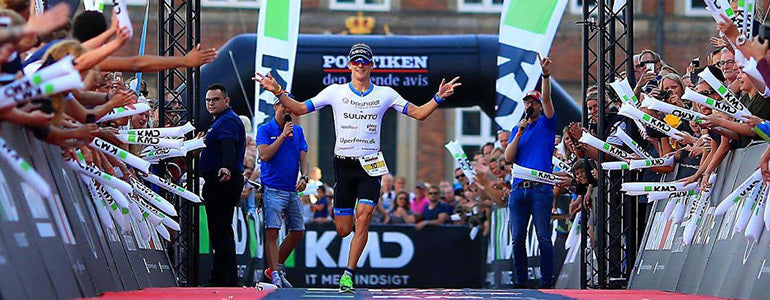
Suunto athlete Patrik Nilsson was a long distance runner, but it didn’t satisfy his desire to train. Then triathlon found him, and now he’s one of the fastest in Ironman history. © KMD IRONMAN DenmarkAt this year’s KMD Copenhagen Ironman, 25-year-old professional triathlete Patrik Nilsson had his mind set on one thing – having fun – but he achieved much more. He came first, smashed his own best time by 20 minutes and got the seventh fastest time in the history of Ironman: 07h49m18s. “It was the perfect day,” he says. “In Denmark it’s so open, and flat, and close to the sea so there’s always wind, but that day there was no wind. When we did the swim it was all flat, no waves at all. The conditions and course were perfect for a really fast day.” Only one year ago, Patrik wasn’t in such good form. Personal difficulties with his then coach were adversely affecting his training and outlook. It all came to a crunch at Ironman Cozumel 2015. He was in first position, with only 10km of the run remaining. But he was hating it so he quit and walked home. “To do well in races, you need to have fun,” he says. “That’s why I couldn’t run those last 10km; when it starts to get tough, you need to feel that it’s fun, and that’s what I felt again in Copenhagen.” © KMD IRONMAN DenmarkFrom Stockholm, Sweden, Patrik has lived to train since he was a kid. At school, he competed at a high level in long distance running, but it didn’t quench his thirst for training. He did his first triathlon in his last year at high school and finally found a worthy outlet for his energies. “With triathlon, there’s always something you can train,” he says. “If you can’t develop your running, maybe you can work on the swim or the bike. There are so many aspects. That’s what inspired me.” Patrik is currently training for Ironman Barcelona 2016. If he performs well, he’ll qualify for the Kona world championships in 2017. He’s working with a new coach, who also happens to be his girlfriend. “It’s good to have a close connection with my coach, which is easy when the coach is your girlfriend,” he says. “It makes it really easy for her to understand how I’m feeling. “There have been a lot of small things we’ve been trying to work on. One of the biggest was around my mentality – to make sure I’m having fun and really enjoying it. It’s worked out perfectly.” While he enjoys pushing his limits with racing, Patrik doesn’t overdo it. Training is what he loves and that’s the focus for most of the year. “For me, it’s better to have one, two or three months of really good training and then do one race and go really hard,” he says. “The most important thing is to have fun. “In Copenhagen I really felt it was fun, I really enjoyed standing on the beach next to the guys and saying, ‘I’m really going to beat you, I’m going to kick your ass and this is going to be fun’. That gives triathlon something more than just the expectation you should win.”
Stay tuned for part two of series about Patrik!
MAIN IMAGE: © KMD IRONMAN Denmark
Swimming the wild open waters
In the second installment of our “Community” series, we travel to Barcelona, Spain, to connect with a unique group of open-water swimmers whose explorations are made in the mystery of the sea.
The popularity of open-water swimming has increased considerably over the last decade. The real catalyst for growth in the sport is its close-knit community of swimmers and the connection they share for exploring wild open waters.
The sea is an unpredictable, and at times tempestuous environment to navigate, asserts David Campà. He is the technical director of Marnaton, an organization that coordinates open-water swims and races in a number of stunning locations along Spain’s picturesque coastline. Its mission is to build awareness for the sport and encourage water enthusiasts of all ages and abilities to join the burgeoning open-water community. Last year more than 4000 participants joined the four open water races Marnaton organized through the spring and summer seasons. The races range from 2 km to 7 km and always include a challenge for kids.
While open-water swimming seems like an individual sport, the reality is quite the opposite. As Campà describes, “unlike any other sport, open-water swims are never the same. The fog, waves, wind, currents and marine life come into play to draw a new route every time.” The sea is an unpredictable domain and swimming buddies are vital.
There is an inherent vulnerability to the individual swimmer that necessitates partnership and always will, regardless of experience. It is the manifestations of nature that forge the most immediate bonds amongst swimmers. At any particular moment they are at the whim of the sea, and the elements. The sea doesn’t care if it is a race or the first swim of the year. The open water is the wilderness, a realm that requires consideration and preparation, and depends intrinsically on camaraderie.
Rarely are challenges and fears overcome, personal bests achieved or the unprecedented experienced without community. Oftentimes its influence is intangible and emotional, and almost without exception its impact transformational.
Read also
RUNNING WITH A COMMON GOAL
SIX USEFUL TIPS FOR SWIM-RUNNING
8 TIPS FOR OPEN WATER SWIMMING

7 spring training camp tips for triathletes
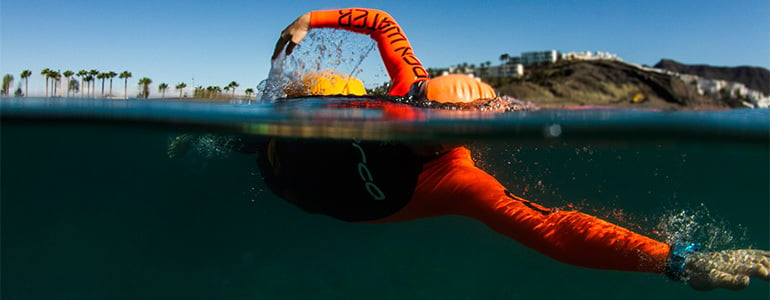
Top triathlete Åsa Lundström shares 7 tips to help you get the most from your spring training camp. © OrcaSuunto athlete Åsa Lundström has been putting in 35-hour training weeks at a spring training camp at the Playitas Resort on the Canary Islands. She came fourth at the recent South Africa Ironman, qualifying herself for the World Championship in Kona, Hawaii this October – her main goal this year. Åsa says going to a spring training camp somewhere warm allows people from colder climes to boost their training volume to prepare for the coming season. “Most long distance triathletes have the Kona Ironman as their main goal and in order to elevate our base level we need to have a big training block and a spring camp is a really good way to achieve that,” Åsa says. “Most triathletes want to boost their cycling at spring camps because that's the hardest discipline to train at home during the winter months.”© Orca
Don’t overdo it
When you’re at a camp there are so many motivated people and groups it’s easy to get carried away. If you plan to start out with a three-hour ride and you go with someone who wants to do a four or five hour ride, it's very easy to get pulled along with them. Unsurprisingly, it’s not uncommon for people to train too hard and crash their immune system and then go home, catch a cold and not be able to train for two weeks. Being patient and not getting carried away is probably the hardest part of being on a camp.© Orca
Stick to your plan
Create a training plan for the camp with your coach before you leave so you have a clear idea of what you’re going to do. This helps you to avoid overdoing it. Of course if you feel fresh and you feel strong it’s important to push a bit harder. You need that to stay motivated and to get the endorphins. But still don't get carried away and overdo it. The risk is you will hit the wall.
Rest and eat well
Most people train a lot more at a camp than they do at home. They go to boost their training. It's important to remember then that you need more sleep and to take good care of your nutritional intake by eating good quality food. At the beginning of a camp you are so filled with endorphins and energy and you’re in the warm sunshine, it’s easy to feel like you don’t need so much sleep. Even if you’re only on a one-week training camp it’s important to get eight or nine hours of sleep every night even when you feel you don’t need it.© Åsa Lundström
Take your nutrition
If you’re going to a training camp where you haven’t been before it can be difficult finding the sports nutrition you use for your training. So if you don't know what you can get there, make sure to bring enough of your own.
Find a buddy
Training with a buddy, or even just around other triathletes, means you can push yourself to a higher level. If you train for many hours it’s always good to have a partner. If you have someone who is at your level, it’s a constant source of motivation because you will be racing against these people.
© Åsa Lundström
Foam roll and stretch
I go to the gym to workout, stretch properly and do foam rolling. I do it as prevention. A light massage half way through a camp is a good thing. Avoid deep massage because that can make your muscles sorer and they might need a rest afterwards.
Focus on volume
Most people go on a spring training camp because they can’t get the volume in at home because it’s too cold. So the natural thing is to do the volume training, which is cycling and running. Take the opportunity to do longer sessions. It’s also a good time to practice open water swimming if you’re somewhere where the water temperature is nice. Don’t focus on technique, but build strength and practice navigating.
Lead image: © Orca/Gines Diaz


Leadership lessons from an adventure-racing champion
Nathan Fa’avae is the captain of Team Seagate, a world champion adventure racing team. He knows both sides of endurance sport – individual and team competition – but is renown for his ability as a team captain. We caught up with the New Zealander to find out what it takes to build a winning team. Adventure racing has taken Nathan around the world. © Nathan Fa'avaeWhite-water and sea kayaking, climbing, caving, orienteering, trail running, trekking, road cycling, mountain biking, ski touring – Nathan Fa’avae does it all. If the lifelong adventure junky isn’t doing one of the above, he enjoys taking his children on adventures in New Zealand’s stunning wilderness. The 43-year-old has been a semi and full time professional athlete for 16 years and competed in 12 world championships. Remarkably he has done so while battling a heart condition that he’s had surgery for three times. His role as the captain of Team Seagate, which dominated the adventure-racing scene for years, has earned Nathan wide respect as a leader. Any big races in 2016? I’m not sure what racing I’ll do in 2016 and beyond, if any. I’m always fit and active, I love the sport but I’ve done a lot of it. I’m an adventurer so that’s a lifestyle for me, not something I’ll stop doing.
Team Seagate has one multiple adventure racing world championships. © Nathan Fa'avae
Why do you enjoy about team competition?
With the team racing I like the fact we battle together, as a stronger united force. It’s nice to be on the start line with friends and know we’re in this thing together. I get strength and courage from that. How do you see team versus individual competition? As an individual you can control your pace to suit, if you want to ease up, go harder, whatever, but in a team you’re dictated by the speed of the team. The support and camaraderie of a team often makes the major challenges more enjoyable and achievable.
Nathan has paddled in 15 countries and many exposed situations. © Nathan Fa'avae
How do you manage with team dynamics? As a team captain, accommodating and nurturing people to get the best out of them is an important role. My strength in captaining teams is communication and composure. I place high value on open communication and not sweating the small stuff. I try to see everything in a positive light and always look for solutions to problems.
Cross-country mountain biking was his first competitive sport. © Nathan Fa'avae
How do you choose your teammates? Building a team is about matching people who will add value to one another’s skill sets. Team work and unity spirals up if you get that mix right, blending together like-minded people with similar attitudes. It’s important we enjoy being together, socially and competitively. For me personally, I tend to only race with people I truly consider friends, people I respect and trust. That’s how I choose my teammates.
Part of adventure racing is dealing with the unknown – how do you deal with that?
I think our team has always dealt with the unknown because we always expect it. In adventure racing, the thing you have not planned for is going to happen, so you need to be flexible and adaptable, roll with things and not get worried and stressed. My motto is ‘nothing can shock me’, that means when we get last minute surprises, they’re never actually a surprise.
© Nathan Fa'avaeDo teams make better decisions in the outdoors or individuals? There’s no hard and fast answer to this question. From my experience, I feel safer in the outdoors on my own. I know my limits and capabilities and act accordingly. The close calls I have seen were in groups when group culture meant they did something dangerous they wouldn’t have done as individuals. People do tend to show off in front of other people and subsequently take more risks.


