


SUUNTOブログ

ランニングのモチベーションを維持する10の方法|走りたくない日の対処法
「今日は走りたくない」「目標のレースが終わって、次に何をすればよいか分からない」。ランニングを続けていれば、モチベーションが下がる時期は誰にでもあります。
やる気は、毎日同じ強さで続くものではありません。だからこそ、気分だけに頼らず、走り始めやすい環境や習慣をつくることが大切です。
この記事では、コーチやアスリートによる元記事のアドバイスをもとに、ランニングのモチベーションを維持する10の方法を紹介します。
目次
1. 走り始めるハードルを下げる
2. 小さく具体的な目標をつくる
3. 仲間と走る予定を入れる
4. コースや時間帯を変える
5. 距離ではなくフォームを課題にする
6. 別の運動を取り入れる
7. 記録から小さな進歩を見つける
8. 苦手な要素を一つだけ練習する
9. 前日に走る準備を済ませる
10. 休む日を失敗にしない
Suuntoで走る習慣を振り返る
まとめ|やる気を待つより、走りやすい仕組みをつくる
1. 走り始めるハードルを下げる
モチベーションが低い日に「いつもどおり10km走ろう」と考えると、着替える前から負担に感じることがあります。そんな日は、「シューズを履いて外へ出る」「10分だけ歩く」「1kmだけゆっくり走る」と、最初の行動を小さくしましょう。
動き始めて調子が上がれば少し延ばし、身体が重ければ短く終えて構いません。短いランでも、習慣を途切れさせずに次へつなげる価値があります。
2. 小さく具体的な目標をつくる
大きな大会だけを目標にすると、本番が終わったあとや、開催日まで遠い時期に走る理由を見失いやすくなります。
「今週は2回走る」「30分を会話できるペースで走る」「新しい公園まで行く」など、数日から数週間で達成できる目標を設定しましょう。連続走行チャレンジを行う場合も、疲労や生活に合わせて無理のない条件にします。
3. 仲間と走る予定を入れる
グループラン、ランニングクラブ、友人、家族など、誰かと走る約束があると、自分一人で毎回判断する必要がなくなります。会話を楽しむラン、練習会、オンラインでの記録共有など、自分が心地よく続けられる形を選びましょう。
ただし、仲間のペースや距離に無理に合わせる必要はありません。目的と走力を事前に共有し、お互いが安全に楽しめる内容にします。
4. コースや時間帯を変える
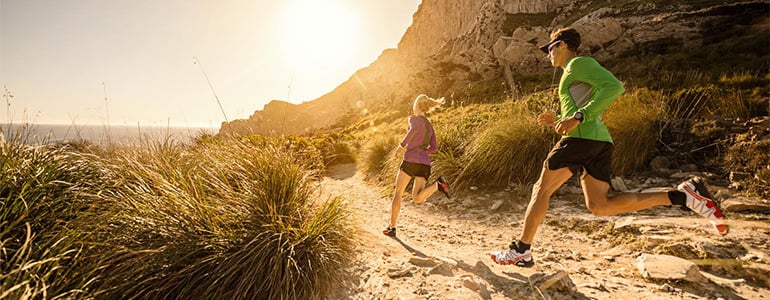
いつも同じ道に飽きたら、走る目的を「トレーニング」から「小さな探索」へ変えてみましょう。公園、川沿い、海辺、知らない路地、近郊のトレイルなど、景色が変わるだけでも新鮮さが生まれます。
早朝、昼休み、夕方など、生活の中で走りやすい時間帯を試すのも一つの方法です。暗い時間帯は、反射材やライトを使用し、交通量や足元、地域の安全性を確認してください。
アメリカ大陸を走ったパトリック・スウィーニー。© Patrick Sweeney
5. 距離ではなくフォームを課題にする
距離やタイムを追うことに疲れたら、姿勢、腕振り、接地、リズムなど、一つの動きに意識を向けてみましょう。普段と違う目的ができると、短いランにも取り組む理由が生まれます。
フォームを大きく変えると別の部位へ負担がかかる場合があります。痛みがあるときは無理に修正せず、必要に応じて資格を持つコーチや専門家へ相談してください。
▶︎関連記事:「ランニングエコノミーとは?走りを効率化する5つの改善方法」
6. 別の運動を取り入れる
ランニングだけを続けることに気持ちが向かない時期は、サイクリング、スイミング、ハイキング、筋力トレーニングなどを取り入れます。
別の運動は、身体へ異なる刺激を与えながら気分転換できます。ただし、慣れていない運動を急に高い強度で行うと疲労や痛みにつながるため、少しずつ始めましょう。
7. 記録から小さな進歩を見つける
自己ベストだけが進歩ではありません。同じコースを以前より楽に走れた、低い心拍数で同じペースを保てた、坂道でも歩かず進めた、忙しい週にも短いランを続けられたことも成果です。
1回の良し悪しで判断せず、数週間から数か月の記録を振り返りましょう。距離、時間、ペース、心拍数、トレーニング負荷に加えて、その日の気分や体調を残すと、自分が走りやすい条件を見つけやすくなります。
▶︎関連記事:「ランニングのトレーニング負荷を管理する方法」
8. 苦手な要素を一つだけ練習する
長い距離ばかり走っているなら短い坂を、速い練習が中心なら余裕のあるペースで長く動く時間を取り入れるなど、普段と違う刺激を試してみましょう。
一度にすべてを改善しようとせず、その日のテーマは一つに絞ります。強度の高い練習は連日行わず、現在の体力や回復状態に合わせて調整してください。
9. 前日に走る準備を済ませる
走る直前にウェアやシューズを探し、コースを決め、ウォッチを充電していると、その間に気持ちが変わってしまうことがあります。
前日のうちにウェアを用意し、開始時刻とコースを決め、必要な機器を充電しておきましょう。「朝7時に玄関から20分走る」のように、いつ、どこで、何をするかまで決めると行動へ移りやすくなります。
10. 休む日を失敗にしない
走りたくない理由が、単なる気分ではなく、睡眠不足、強い疲労、痛み、体調不良である場合もあります。そんな日は、休養や軽い運動へ変更することもトレーニングの一部です。
予定を一度変えたことと、ランニングをやめることは同じではありません。「今日は休み、次はいつ走るか」を決めれば、習慣へ戻りやすくなります。痛みや体調不良が続く場合は、医療従事者へ相談してください。
Suuntoで走る習慣を振り返る
Suunto Runは、軽量なランニングウォッチで、日々のランを無理なく記録したい人の選択肢です。
Suunto Race Sは、コンパクトなサイズで、トレーニングの進捗や回復をより詳しく振り返りたい人に適しています。
Suunto Race 2は、目標レースへ向けた継続的なトレーニングや、地図を活用した新しいルートの探索を楽しみたい人の選択肢です。
数字を毎回の評価に使うのではなく、続けてきた過程を確認するために活用しましょう。短いランも含めて記録が積み重なると、自分が前へ進んでいることを実感しやすくなります。
まとめ|やる気を待つより、走りやすい仕組みをつくる
ランニングのモチベーションは、常に高く保つ必要はありません。走るハードルを下げ、小さな目標を設定し、仲間や新しいコース、記録の振り返りを活用することで、気分に左右されにくい習慣をつくれます。
それでも身体が疲れている日は、安心して休みましょう。大切なのは一日も欠かさないことではなく、自分に合う形で何度でもランニングへ戻ってくることです。
今日の一歩を、次の習慣へ
Suuntoのランニングウォッチで、距離やタイムだけでなく、続けてきた過程を振り返りましょう。
Suuntoウォッチを見る

The road to Kona Ironman: Step three: Recovering for race day
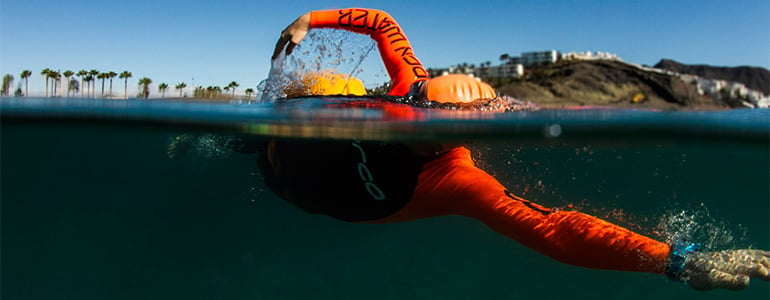
The legendary Kona Ironman is just around the corner and Suunto triathlete Åsa Lundström is getting excited. We continue following her steps towards race day in our four part series. Step one was planning, step two was progress and, in this instalment, we look at her recovery or tapering time before the big day. The Kona Ironman is unforgiving. If a competitor gets to the start line not 100 per cent, the 226.27 km course can exact a heavy toll. Champion Swedish triathlete Åsa Lundström has been living in the Canary Islands for over a month, preparing for the race which will be the greatest test of her mind, body and spirit. The heat, humidity and volcanic terrain are similar to the conditions in Kona, Hawaii, making the island a better training place than her home in Scandinavia.
Click here to read about how Åsa became an elite triathlete
After an intense training cycle over the last months, for the last two of weeks Åsa has been fine-tuning her body and mind for the race. During the first week of her two week tapering period, she reduced her training volume from 35 to 20 hours. In the week immediately before the race, she cuts it from 20 to between eight and 10 hours. “This stage involves easing off the volume of training and sleeping and eating properly, and making sure to rest between the sessions to ensure quality training that feels really good,” Åsa says. “This is usually the first time when I can start sensing whether I am in good shape.” The big danger is getting to the start line over-trained. Avoiding this is crucial.
Click here to read about how to use your Ambit3's recovery features
“It’s important to pay close attention to the body’s signals,” Åsa says. “It comes down to having the experience of knowing the different signs of fatigue from hard training, and accumulated fatigue leading to overtraining. “Sleeping enough, eating enough – and frequently enough – are important for recovery.”
Åsa also writes a detailed training diary for her coach Cliff English to read for an objective perspective. Cliff looks out for negative signs and patterns that can sometimes be difficult for her to see herself. “Three weeks of hard work, good fun and nice company in this lovely place has come to an end,” Åsa says. “The journey continues and the countdown has begun! Bring it!”
Tune in next week for the final instalment of four part series about Åsa – her ideal race day in the Ironman World Championship in Kona.

6 amazing training routes from Ryan Sandes
Ultra runner Ryan Sandes has traveled the world to run some of its sweetest single trail. Consider him, then, your go-to trail aficionado! Check out below the six trail running routes he picks as the cream of the crop! Coming from Cape Town, South Africa, ultra runner and Suunto ambassador Ryan Sandes is at home running on coastal trails by the ocean. But while his roots are in Cape Town's surf beaches and the trails above in its mountains, over time he has found more and more inspiration in alpine environments. This year, for example, he's been training in mountains in Californina and the French Alps.
Below, he shares his six favorite running routes from South Africa and the United States.
Read Ryan's tips about how to go the (ultra) distance!
San Fran 50 miler, San Francisco, USA
Distance: 78.78 km Time: 06h45m Ascent: 3125 m Decent: 3137 m Highest point: 554 m Why: The Marin Headland is really spectacular and the coastal running makes me feel like I am back at home in South Africa. The trails are really fast and runnable. The Headlands are always abuzz with runners, mountain bikers and dog walkers making for a great friendly atmosphere. There are some great coffee shops right next to the trail which is an added bonus.
Big Bear Mountain, California, USA
Distance: 52.14 km Time: 04h35m Ascent: 1104 m Decent: 1091 m Highest point: 2394 m Why: I spent six weeks in Big Bear earlier this year training for the Western States 100 miler. I really enjoyed my time there and developed a special bond with the mountains. The scenery is epic and there is a great variation of trails from open fire roads to really technical single track. This was one of my final long runs I did in preparation for the Western States.
Click here for Ryan's tips on how to recover like a pro!
Glacier Point, Yosemite National Park, USA
Distance: 17.76 kmTime: 02h09m Ascent: 1008 m Decent: 1031 m Highest point: 2195 m Why: The Yosemite National Park is one of the most beautiful places I have been to. Ha! I get itchy feet everytime I get to the National Park and just can't stop running. The run up to Glacier Point is a nice gradual climb and the views from the top are absolutely breath taking. This is the perfect recovery run to take it easy and enjoy the scenery.
Skyrun Route, Drakensberg, South Africa
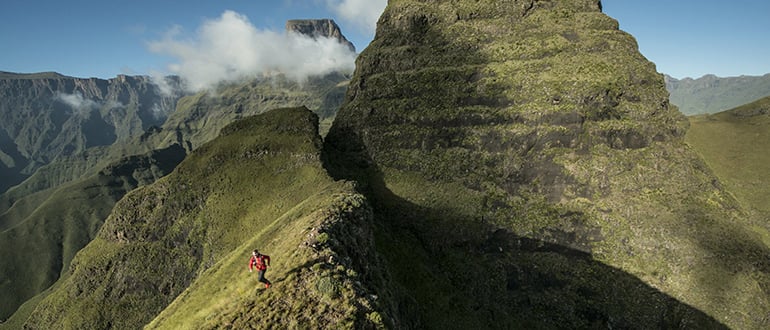
Distance: 96.05 km Time: 12h36m Ascent: 4760 m Decent: 4579 m Highest point: 2674 m Why: The Skyrun is a 100 km self-navigational run across the Drakensberg Mountains. There are no proper trails to follow and you basically aim for the peaks and ridgelines ahead of you. It is a really remote area, at altitude and is the perfect place for me to train for big mountain races. Running in the Drakensberg Mountains makes me feel really small and it can be super humbling. © Kolesky/ Nikon/ Red Bull Content Pool
Lion's Head, Table Mountain, South Africa
Distance: 04.05 km Time: 0h29m Ascent: 370 m Decent: 372 m Highest point: 654 m Why: Lion's Head is an iconic mountain right next to Cape Town's city centre, with panoramic views of Cape Town and Table Mountain from the top. The trail starts off on an open fire road but as you climb up the mountain the trail gets more technical with ladders and chains towards the top. This is one of my shortest training sessions but I enjoy pushing myself on this run. It’s a real lung buster!© Nick Muzik/Red Bull Content Pool
Table Mountain Crossing, South Africa
Distance: 15.08 km Time: 02h02m Ascent: 1070 m Decent: 949 m Highest point: 1045 m Why: Table Mountain is an extension of my back garden and my favorite mountain to train on. I love being able to see the ocean from the summit and I feel really at home on this mountain. The Table Mountain Crossing trail is very technical with lots of scrambling and you have to keep an eye out for giant snakes in summer. The mountains inspire me to dream but the ocean is were my roots are. © Craig Kolesky/ Red Bull Content Pool

7 reasons to love running at night
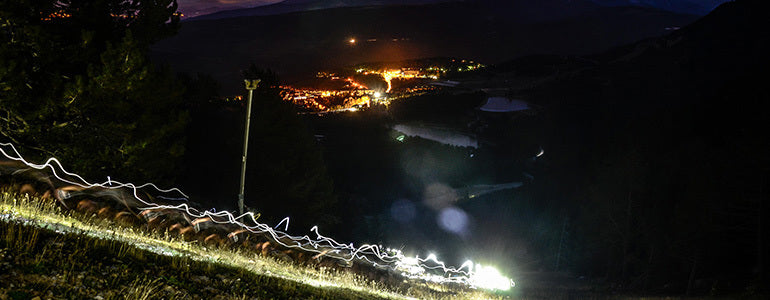
True, you may not get to enjoy the same distant views, but there are good reasons to love running at night, says elite trail runner Gediminas Grinius – who trains on top of his full time job. Here are his top 7 reasons to put on your headtorch and high visibility jacket and get out the door for a night run!
Aside from working full time, Gediminas is also a father of two. © Gediminas Grinius
Explore your wild side
At night your senses are more attuned says Gediminas. “With less of an emphsis on vision, you become more alert to your surroundings and that brings out your wild side, especially when alone. And that’s the best remedy after a long day in the office.”
Escape the heat
Running in warm temperatures isn’t all great, says this year’s Transgrancanaria winner. “Running at night lets you avoid the day’s heat,” he says, “which is better for training”.
Find new beauty
“Running at night breaks up the routine and you can find new beauty in the same trails – especially for those like me who don’t have a lot of hills to train on.”
Avoid the traffic
Turn your commute into training, says Gediminas. “That way you avoid the traffic and you beat the ‘no time for sport’ excuse. Commuting to the office in the winter months means running in the dark is unavoidable,” he adds.
Prepare for ultras
Use night running to prepare for an ultra. “Almost all 100 mile races have a night element in it,” he says. And for regular trail runners, most 100 km races have a night element as well!”
Improve your technical downhills
“While running at night you must trust your sixth sense more often,” says Gediminas. “Sometimes your feet are your only sensors on the ground and you have to turn your brain off and trust your feet to know where to step. This is exactly the same as when you have to run on technical terrain so running at night is a good way to make you better on super technical downhills.”
Unleash the dog!
“Zoro is my best running partner and the enjoys freedom as much as I do, but because of a lot of distractions during the day (people, other dogs) it's the best time to set him free at night.”

The road to Kona Ironman, Step two: rapid progress
Last week we kicked off the first instalment of our four-part series following Suunto athlete Åsa Lundström as she prepares for the coming Ironman World Championship in Kona, Hawaii. After looking at step one last week, planning, this week Åsa tells us what progress, step two, looks like as her training intensifies.
There’s one crucial sign Åsa looks for to know she’s making progress in her training for the Kona Ironman: feeling unbeatable.“They don’t come very often, but every now and then, you should get that moment, if only for a moment, that you are unbeatable,” she says. “If I don’t ever get those ‘I’m on fire today!’ moments in my training periods, then something needs changing.“I don’t do tests or anything like that to check I’m in good shape, I just look for signs, a feeling, during the quality sessions I do – it’s the feeling of being immortal, unbeatable, strong.”
Click here to read more about Åsa Lundström, the unlikely Swedish triathlete
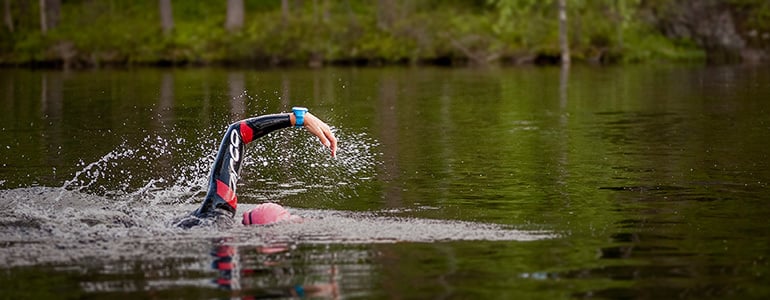
© Orca/Gines Diaz
Having planned her training with her coach Cliff English, it’s then time to make rapid progress, to push herself towards her personal best while also ensuring she has enough recovery time.Åsa’s training progresses through three stages: the first is getting into the rhythm of hard training; the second stage involves blocks of quality and quantity sessions; and the last is a tapering period of two weeks before race day. As Åsa moves through the three stages, her coach Cliff English tracks her performance and makes adjustments to her training as required. Understanding and trust between athlete and coach is essential here.
The longer Cliff works with an athlete, the more data he accumulates, which better helps him track the athlete’s performance and recognize when changes must be made. This means both he and Åsa must be sensitive to signs they’re pushing too hard or not hard enough.
Click here to read Åsa’s 8 open water swimming tips!
“If I start having trouble sleeping, or lose my appetite that could be a sign to back off a bit,” Åsa says. “On the other hand, if I never feel exhausted after a quality session, but have an unsatisfying feeling, that could be a sign of not pushing hard enough. “I am supposed to feel tired between the sessions more or less all the time.”As her training intensifies, Åsa also works on the mental side of her training by spending time visualizing the race, the potential scenarios that could happen and how she would respond to them. “As race day gets closer, I also stop meeting people who might be sick, or even just have a minor cold,” she says. “I skip junk food and unnecessary treats and I make sure I get enough sleep every night.”
Stay tuned for third installment of our four part series about Åsa as she makes progress on the road to the Ironman World Championship in Kona.


世界の絶景トレイル&山岳ルート6選|Emelie Forsbergが愛した場所
海を見下ろす北欧の森、モンブラン山群を望む尾根、雲の上へ続くアルプスの岩稜。ひと口に「山を走る」といっても、その地形と必要な技術は大きく異なります。
この記事では、スウェーデン出身のスカイランナー、Emelie Forsberg(エメリー・フォースベリ)が愛してきた6つの場所を手がかりに、世界のトレイルと山岳ルートの魅力を紹介します。距離を競うためのランキングではなく、「次はどんな景色の中を進みたいか」を考えるためのガイドです。
安全に関する注意:この記事には、一般的なトレイルランニングの範囲を超え、スクランブリング、ロープを使う登攀、露出感の強い岩稜を含むルートがあります。掲載データは2015年に紹介されたEmelieのアクティビティ記録であり、現在の公式登山ルートや推奨コースを示すものではありません。実際に訪れる場合は、現地の最新情報、天候、通行規制、自分の技術と装備を確認し、必要に応じて山岳ガイドを利用してください。
目次
6つのトレイル&山岳ルートを比較
Kebnekaise|北極圏に近いスウェーデンの高峰
Aiguillette des Posettes|モンブランを望む尾根
High Coast|森と海岸を結ぶ北欧トレイル
Dent Blanche|ランニングの枠を超えるアルパインルート
Glen Coe|荒々しい岩稜を越えるスコットランドの山岳地形
Jämtland Mountains|山小屋をつなぐ北欧のロングトレイル
海外のトレイルを走る前のルート計画
世界のトレイル&山岳ルート6選を比較
Emelieが選んだ場所には、走り続けやすい海岸沿いのトレイルから、ロープ確保を必要とする高峰までが含まれます。まずは同じ「山岳ルート」でも性格が異なることを確認しましょう。
場所原文の記録地形の特徴位置づけ
Kebnekaise/スウェーデン16.09km・上昇2,288m岩場、スクランブリング、易しい登攀上級者向け山岳ルート
Aiguillette des Posettes/フランス9.17km・上昇979m急勾配の登山道と眺望のよい尾根経験者向け山岳トレイル
High Coast/スウェーデン27.76km・上昇850m海岸、森、小さな丘区間を選びやすいロングトレイル
Dent Blanche/スイス4.42km・最高地点4,365m露出した岩稜、ロープ確保を伴う登攀アルパインクライミング
Glen Coe/スコットランド50.62km・上昇3,954m岩稜、ガレ場、露出したスクランブリング高度な山岳技術を要するルート
Jämtland Mountains/スウェーデン35.70km・上昇604m開けた山岳トレイルと山小屋長く動き続ける北欧トレイル
※距離・上昇量・最高地点は、2015年のSuunto原文で紹介されたEmelieの記録です。現行の標準ルート、往復距離、難易度を示すものではありません。
Kebnekaise|北極圏に近いスウェーデンの高峰
Kebnekaise(ケブネカイセ)は、スウェーデン北部ラップランドにそびえる同国最高峰です。氷河地形、岩の多い稜線、北極圏に近い広大な景観が、この山を特別な存在にしています。
Emelieが友人とたどった記録は、TouplagorniとKebnekaiseを越え、スクランブリングと易しいクライミングを含むものでした。これは、一般登山者向けの標準的な登頂ルートと同一とは限りません。Kebnekaiseには複数のルートがあり、氷河や高度な箇所を通る場合は知識、装備、ガイドが必要です。
この地域の魅力は、速く走ることだけではありません。足場の変化に合わせて走る、歩く、手を使うという動作を切り替えながら、仲間と長い山岳時間を共有することにあります。
Aiguillette des Posettes|モンブランを望む尾根
フランス・シャモニー谷の北側にあるAiguillette des Posettes(エギュイエット・デ・ポゼット)は、モンブラン山群、ル・トゥール氷河、周囲の谷を見渡せる尾根です。Emelieにとっては、朝の速いトレーニングにも、午後のリカバリーにも使える身近な山でした。
ただし、「短い距離=簡単」ではありません。現地観光局が案内するハイキングルートも急勾配の難しいコースに分類され、積雪や天候によって状況が変わります。原文の9.17km・上昇979mという記録も、平地の10kmとはまったく異なる負荷です。
尾根から広がる眺望と、限られた距離でしっかり標高を上げられることが、この場所の魅力。訪問前にはシャモニーの観光局や山岳情報機関で、積雪、リフト運行、登山道の状態を確認してください。
High Coast|森と海岸を結ぶ北欧トレイル
High Coast(ホーガ・クステン)は、Emelieが育ったスウェーデン東部の海岸地域です。小さな丘、深い森、岩の海岸、入り江が連続し、高山とは異なるリズムで長く走れます。
High Coast Trailの全体は約135kmで、9つのステージに分かれています。Emelieが紹介した27.76kmはその一部。全線を一度に進む必要はなく、11〜27kmほどの区間から、体力や滞在時間に合わせて選べる点が魅力です。
標高は高くなくても、岩場、木の根、起伏が積み重なると脚への負担は増えます。また、盛夏には水の確保が難しい区間もあります。区間ごとの水場、補給、交通手段を事前に確認し、森と海岸の変化を味わうペースで進みましょう。
Dent Blanche|ランニングの枠を超えるアルパインルート
スイス・ペナインアルプスのDent Blanche(ダン・ブランシュ)は、標高4,000mを超える鋭い岩峰です。Emelieは、走れる場所を走り、技術的な場所を登る一日を「マウンテン・デイ」の例として紹介しました。
ここはトレイルランニングコースではありません。原文でも登攀グレードAD、露出した地形、ロープによる確保が必要な場所として説明されています。標高4,000mを超える環境では、岩稜の技術に加え、高度順応、落石、雪氷、急変する天候への判断も求められます。
この記事を見て同じ軌跡を追うのではなく、Emelieの「山ではスピードより地形に合った動き方を選ぶ」という姿勢に注目してください。Dent Blancheへの登攀は、十分な経験を持つ登山者が、最新の山岳情報を確認し、必要に応じて認定山岳ガイドと計画する領域です。
Glen Coe|荒々しい岩稜を越えるスコットランドの山岳地形
スコットランド・ハイランド地方のGlen Coe(グレンコー)は、急峻な谷、草地、岩稜、変わりやすい天候で知られます。Emelieが紹介したのは、かつてのGlen Coe Skylineレースに由来する長大な記録です。
現在公開されている旧レースルートの説明でも、荒れた足元、岩屑の斜面、大きな上り下りに加え、Curved RidgeのGrade III、Aonach Eagach RidgeのGrade IIスクランブリングが含まれるとされています。場所によっては転落の危険があり、途中から容易に離脱できない区間もあります。
速く走れるトレイルと、慎重な三点支持が必要な岩稜が同じ一日の中に現れることが、Glen Coeの難しさです。距離やGPXだけで判断せず、スコットランドの山岳経験、ナビゲーション能力、悪天候への装備、緊急時の撤退計画まで含めて検討してください。
Jämtland Mountains|山小屋をつなぐ北欧のロングトレイル
Jämtland Mountains(イェムトランド山地)は、スウェーデン中部からノルウェー国境へ広がる山岳地域です。開けた高原状の地形と山小屋ネットワークがあり、軽い荷物で山小屋から山小屋へ長く移動するスタイルに向いています。
Emelieは山岳地帯で働いていた頃、比較的なだらかなトレイルを小さなバックパックで走っていました。紹介された記録は35.70km・上昇604m。急峻な高峰とは違い、一定のリズムで長く動き続けられることが魅力です。
一方、北欧の山は標高が低くても森林限界が低く、風雨や低温の影響を受けやすい環境です。山小屋の営業期間、予約の要否、渡渉、水や食料の補給、携帯電話の圏外区間を確認し、天候が崩れたときに自立できる装備を持ちましょう。
海外のトレイルを走る前のルート計画
知らない山域では、魅力的な写真や公開GPXだけで出発を決めないことが大切です。ルートの現在の通行状況、登山道の種類、獲得標高、最高地点、技術的な難所、エスケープルート、日照時間、現地の救助体制まで確認しましょう。
公式情報を優先する:観光局、国立公園、登山協会、山小屋、レース主催者の最新情報を確認する
原文の軌跡を標準ルートと思わない:アスリートの記録は私有地、廃道、登攀区間、季節限定区間を含む可能性がある
距離と標高をセットで見る:短いルートでも急登や岩場があれば行動時間は長くなる
地図を複数用意する:ウォッチやスマートフォンに加え、現地で推奨される地形図やコンパスも携行する
撤退基準を決める:時刻、天候、視界、疲労、仲間の状態に応じて引き返す条件を事前に共有する
これからトレイルランニング用のウォッチを選ぶ場合は、GPS精度、オフラインマップ、ルートナビゲーション、バッテリー持続時間、操作性などを、自分が走る距離や山域に合わせて比較することが大切です。詳しくは、トレランにおすすめのGPSスマートウォッチとは?必要な機能と選び方で解説しています。
GPXルートをSuuntoウォッチに入れる方法では、ルートの作成・確認・同期の流れを解説しています。地図上の線、ターン案内、ウェイポイントの読み方は、SUUNTOの地図・ナビゲーション画面ガイドも参考にしてください。
Suunto Vertical 2は、オフラインマップ、デュアルバンドGPS、クライムガイダンス、長時間バッテリーに対応し、長い山岳行動の計画と記録を支えます。ただし、ウォッチは安全を保証するものではありません。現地情報、判断力、適切な装備と組み合わせて活用してください。
Emelieが愛した6つの場所に共通するのは、速さではなく、その土地の地形に合わせて身体の使い方を変える楽しさです。海岸の森からアルプスの岩稜まで、自分の経験に合うフィールドを選び、準備そのものから次の冒険を始めましょう。
次のトレイルを計画しよう
オフラインマップとルートナビゲーションに対応するSUUNTOスポーツウォッチをチェックしてください。
SUUNTOスポーツウォッチを見る