


SUUNTOブログ

The road to Kona Ironman, Step One: Planning for Success
What does it take to train for the Ironman World Championship in Kona, Hawaii? Follow our four-part series about Suunto athlete Åsa Lundström as she prepares and find out!
For Swedish triathlete Åsa Lundström the next few weeks are everything.
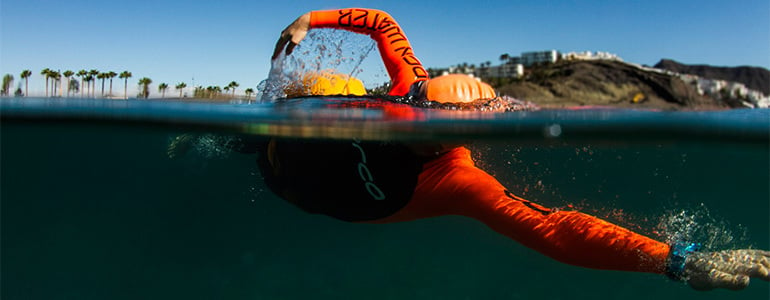
Over the last month, the 30-year-old medical student and professional athlete has been preparing for the approaching Ironman World Championship in Kona, Hawaii on October 10th, 2015.
It’s the legendary Ironman that every triathlete dreams of competing in. That dream is about to become a reality for Åsa.
“Every sport has tales to tell of battles on the race course,” she says. “And with Ironman, we all hear stories of the legendary clashes of the triathlon titans at Kona.
“The best part is that we now have the opportunity to become one of those stories.”
Click here to read more about Åsa, the unlikely Swedish triathlete
Like all big projects, Åsa's road to Kona begins with the most important step: careful planning. She works closely with her professional triathlete coach, Cliff English, for this. When to intensify, where to train and when to go to Hawaii have all been planned well in advance.
Cliff updates Åsa’s training schedule week-by-week, always trying to find the right balance between the intensity and volume of her training and ensuring she gets enough recovery time.
“I’m constantly monitoring her sessions, looking at objective measurements, such as pace and power, as well as her subjective feedback on each session and on other factors including sleep quality, muscle soreness and freshness,” Cliff says.
During a normal training week, Åsa puts in between 20 and 25 hours. For Kona, that jumps to 35 hours every week. Her life becomes structured around training. In one week, she swims five or six times, cycles four or five times, runs five to six times and does strength and core training three times.
“Åsa typically trains two to three times per day,” Cliff says. “Some of the sessions are separate with a morning session then a midday session and typically a lighter active recovery session later in the day.
“I tend to prescribe one key session per day, however I also include combo sessions that include bike and run that are typically executed at race efforts.”
All this training might sound austere, like Åsa has no life, but she enjoys the process.
“When I have a big goal to work towards, it feels natural to focus on that, and to make choices adjusted to it,” Åsa says. “I don’t believe being disciplined means life cannot be fun at the same time.”
To keep things fun and to plan in a short term training goal, Åsa recently competed in the Tjörn Triathlon in Sweden and won the women’s division.
“It was a great boost,” she says, “and gave me proof that my training is going in the right direction.”
That’s important because she says it’s not always easy to tell if her build up is going well.
“When you are in a big training period, you feel tired and worn, and it’s hard to tell sometimes,” she explains. “However, when you feel tired, and you somehow manage to make the body do what you ask, then this is a good sign, especially if you were able to push yourself to a required pace or effort you didn’t think you could do.”
Åsa recently travelled to Fuerteventura in the Canary Islands to begin her final preparations. The warmer conditions are more similar to Hawaii than in Sweden, making it a good training ground.
Check out the second step, progress, of our four part series about Åsa as she continues on the road to the Ironman World Championship in Kona.

トレイルランニングの練習コースの選び方|登り・下り・距離を組み合わせるポイント
トレイルランニングの練習では、走る距離だけでなく、累積標高、登りの長さ、下りの路面、テクニカル区間の割合によって負荷が大きく変わります。大会に向けて準備するなら、「長く走る日」と「登りを鍛える日」を分け、目的に合うコースを選ぶことが大切です。
この記事では、山岳アスリートのキリアン・ジョルネが紹介した5つのトレーニングルートをヒントに、トレイルランニングの練習コースを組み立てる方法を解説します。海外の高難度ルートをそのまま再現するのではなく、登り、下り、距離、路面、標高という要素を、日本での練習へどう取り入れるかを見ていきましょう。
目次
練習コースを決める5つの要素
キリアン・ジョルネが選んだ5つのルート
目的別にコースを組み立てる方法
Suuntoアプリでルートと標高を確認する
山岳ルートを走る前の安全確認
まとめ
トレイルランニングの練習コースを決める5つの要素
同じ10kmでも、平坦な林道と急峻な山道では、必要な時間も身体への負荷も異なります。コースを比較するときは、距離だけで判断せず、次の5項目を確認しましょう。
確認項目
わかること
練習への活かし方
距離
行動時間と持久力の目安
短時間走とロング走を分ける
累積標高
登り下りの総量
目標レースに近い登坂量へ段階的に近づける
勾配と登りの長さ
走るか歩くか、筋力をどれほど使うか
短い急坂と長い緩斜面を使い分ける
路面と技術難度
足運び、バランス、下りの難しさ
安全に反復できる区間から慣れる
最高標高と環境
気温、風、酸素の薄さ、天候変化
高地は通常の練習と分け、無理に再現しない
とくに累積標高は、コースの厳しさを考える重要な手がかりです。ただし、同じ累積標高でも、長い登りが1本あるコースと、短いアップダウンを何度も繰り返すコースでは疲労の出方が変わります。高度プロファイルを見て、標高差がどこに集中しているかまで確認してください。
キリアン・ジョルネが選んだ5つのトレーニングルート
原文で紹介された5ルートには、それぞれ異なる山岳能力が求められます。以下の距離、時間、累積上昇、最高地点は2015年の記事に掲載された当時の参考値です。現在のコース状況や所要時間を保証するものではありません。
ルート
距離
記録時間
累積上昇
最高地点
練習要素
エルスフィヨルド・トラバース(ノルウェー)
18.09km
4時間49分
2,758m
1,093m
狭い稜線、スクランブリング、急な登り下り
エギーユ・ド・レム(フランス)
17.10km
3時間39分
1,782m
2,844m
ランニングと登攀を組み合わせる高難度ルート
モンブラン(フランス)
24.78km
5時間57分
3,808m
4,815m
長い登り、高所、雪氷を伴うアルパイン環境
ピック・カルリット(フランス・ピレネー)
21.30km
3時間12分
861m
2,633m
比較的走れる区間と持久力
グランド・ティトン(アメリカ)
19.27km
2時間54分
2,264m
4,197m
岩場、急峻な地形、高所での長時間行動
重要:これらのルートには、一般的なトレイルランニングを超える登攀、露出した稜線、雪氷、高所などが含まれます。キリアンの記録時間を目標にしたり、古いルート情報だけを頼りに入山したりしないでください。挑戦する場合は、最新の現地規制、登山道、天候、必要装備を確認し、十分な技術と経験を持つガイドや現地機関の判断に従ってください。
エルスフィヨルド・トラバースから学ぶ:テクニカル区間
狭い稜線とスクランブリングが続くこのルートは、スピードよりも足場を選ぶ力と全身の安定性が重要です。国内で応用するなら、危険な岩稜を選ぶ必要はありません。足元を安全に確認できる短い不整地で、歩幅を小さく保ち、重心を安定させる練習から始めます。
エギーユ・ド・レムから学ぶ:登りと走れる区間の切り替え
走れるトレイルと登攀が組み合わさるコースでは、運動強度が何度も変化します。登りで無理に走り続けず、パワーハイクへ切り替え、傾斜が緩んだら再び走る練習が実践的です。
モンブランから学ぶ:長い登りへの持久力
モンブランのような高所・雪氷ルートは、通常のトレイルランコースではありません。ただし「長い登りで一定の出力を保つ」という要素は、国内の安全な登山道や登坂区間でも練習できます。最初は30~45分程度の連続した登りから始め、疲労を見ながら時間を延ばしましょう。
ピック・カルリットから学ぶ:走れる山道での持久走
比較的走りやすい区間が多いコースは、トレイルで一定のリズムを保つ練習に向いています。急登の多いコースだけでなく、緩やかな林道や起伏のあるトレイルも組み合わせると、長時間動き続ける力を養えます。
グランド・ティトンから学ぶ:岩場と長い下り
岩が多いコースでは、登る力だけでなく、下りで正確に足を置く技術が必要です。疲労した状態の急な下りは転倒リスクが高まるため、練習では短く安全な区間を使い、速度よりフォームとコントロールを優先してください。
目的別にトレイルランニングのコースを組み立てる方法
トップアスリートのルートから取り入れるべきなのは、距離やタイムそのものではなく、コースが持つ練習要素です。週ごとの目的をひとつに絞ると、負荷を管理しやすくなります。
登りを強化する日
一定時間登り続けられる坂、または同じ場所へ戻れる周回・往復コースを選びます。急坂の反復では筋力、長い緩斜面では持久力を意識します。登りの勾配、垂直速度、獲得標高をトレーニングに活かす方法は、トレイルランニングの登りを攻略する方法も参考にしてください。
下りの技術を磨く日
見通しがよく、短時間で反復できる安全な下りを選びます。視線を少し先へ向け、接地を身体の真下へ近づけ、減速しすぎない小さなステップを意識します。雨天や濡れた岩、混雑した登山道では練習を控えましょう。
レースに近い負荷を確認する日
目標大会の距離、累積標高、路面を確認し、その一部を再現できるコースを探します。最初から全距離を走るのではなく、距離または累積標高を抑えたコースから段階的に増やします。週間メニューや大会準備は、初心者向けトレイルランニングの練習方法で詳しく紹介しています。
疲労をためずに動く日
練習のすべてを山岳コースにする必要はありません。会話できる強度で走れる林道や緩やかなトレイルは、フォームを崩さず運動時間を確保する日に向いています。高負荷の日の間には、休養日や軽い運動日を設けてください。
Suuntoアプリでルートと標高を確認する
練習コースを決めるときは、Suuntoアプリのマップで距離と高度プロファイルを確認します。ヒートマップは、多くのユーザーが記録している道をスポーツ別に探す手がかりになります。路面情報も確認し、舗装路、未舗装路、トレイルを目的に合わせて組み合わせましょう。
Suuntoアプリでマップを開き、トレイルランニングのヒートマップを表示します。
スタート地点を決め、ルートを作成します。
距離、累積上昇・下降、高度プロファイルを確認します。
急な登りや下りの位置、折り返し地点、途中で離脱できる場所を確認します。
対応するSuuntoウォッチへルートを保存・同期します。
ルートの作成や取り込みは、GPXルートをSuuntoウォッチに入れる方法、人気ルートの探し方はSuuntoアプリのヒートマップの使い方をご覧ください。
長い山岳ルートやナビゲーションを重視する場合は、オフラインマップと長時間バッテリーを備えたSuunto Vertical 2が、ルートやこの先の登り下りを確認する助けになります。トレーニングとレースでの見やすさを重視するなら、Suunto Race 2も選択肢です。ウォッチ上の地図や案内表示は、SUUNTOの地図・ナビゲーション画面の見方で確認できます。
山岳ルートを走る前に確認したい安全ポイント
GPSウォッチやアプリのルートは便利ですが、通行可能であることや安全を保証するものではありません。出発前には、次の項目を別途確認してください。
登山道の通行止め、工事、季節規制
天気予報、雨量、風、気温、日没時刻
残雪、凍結、増水、落石などの状況
水分、補給食、防寒具、ライト、救急用品
携帯電話の圏外区間と緊急時の連絡方法
予定を短縮できる分岐やエスケープルート
家族や同行者への行程共有
ヒートマップ上で利用が多い道でも、現在通行できるとは限りません。また、登山者が多い道では、追い越しやすれ違いの際に速度を落とし、歩行者と自然環境へ配慮しましょう。初めての山域では、計画に余裕を持ち、単独行を避ける判断も重要です。
まとめ|距離ではなく、目的からコースを選ぼう
キリアン・ジョルネが選んだ5つのルートは、登坂力、テクニカルな足運び、長時間の持久力、高所への対応など、山岳ランニングに必要な要素の違いを示しています。ただし、トップアスリートの距離やタイムをそのまま追う必要はありません。
まずは「今日は登りを鍛える」「安全な下りで足運びを練習する」「走れるトレイルで長く動く」など目的をひとつ決め、現在の体力に合う距離と累積標高から始めましょう。Suuntoアプリで高度プロファイルを確認し、対応するGPSウォッチへルートを同期すれば、計画した登り下りと現在地を行動中にも確認できます。
次のトレイルに合うGPSウォッチを選ぶ
ルートナビゲーション、オフラインマップ、標高データ、長時間バッテリーを活用して、トレーニングとレースの準備を整えましょう。
SUUNTOのランニングウォッチを見る
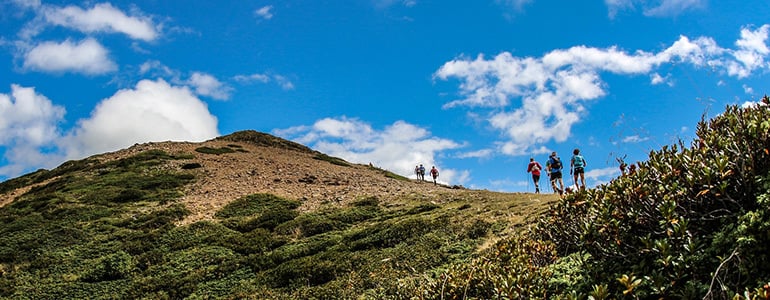

The stage race across the Alps in 8 pictures
The GORE-TEX® TRANSALPINE-RUN is not for the faint hearted. Reaching the finish line of the eight-stage race across the Alps will take every scrap of your being. Get a taste of this epic adventure with the eight images below!
The 11th edition of the GORE-TEX® TRANSALPINE-RUN finished last week and Suunto was the official time sponsor. The eight-stage, 268 km race across the Alps from Germany to Italy is a gruelling test of endurance. Because it crosses exposed and sometimes isolated alpine terrain, competitors must race in two man teams for their own safety. Trail runner and ski mountaineer Philipp Reiter, along with teammate Iker Karrera, won the race in 2012. This year, due to an injury, the 24-year-old German could not compete so instead he photographed each stage of the race.“Crossing the Alps from north to south is a kind of a dream,” he says. “For eight days you’re in your own world.”
Click here to see this year's results.
Stage one: Oberstdorf, Germany to Lech, Austria
Distance: 34.60 kmVertical ascent: 2083 mVertical descent: 1469 m
All good times and smiles on day one. © Philipp Reiter
“This year the first stages were really hot, 36° C, so a lot of people became dehydrated and some collapsed,” Philipp says. “The race medical team had a lot of things to do.”
Stage two: Lech, Austria to St. Anton am Arlberg
Distance: 24.70 kmVertical ascent: 1899 mVertical descent: 2040 m
© Philipp Reiter
“People are used to running, but not everyday for that long,” Philipp says. “You have to make sure your body is able to deal with the distance and vertical gain for eight days.”
Stage three: St. Anton am Arlberg, Austria to Landeck, Austria
Distance: 39.60 kmVertical ascent: 2658 mVertical descent: 3133 m
© Philipp Reiter
“In my experience, stage three is really tough because you are feeling exhausted from the first two days, but know there’s another five days ahead of you,” Philipp says.
Stage four: Landeck, Austria to Samnaun, Switzerland
Distance: 45.70 kmVertical ascent: 2861 mVertical descent: 1829 m
© Philipp Reiter
“It’s funny, because each day when I get up in the morning I don’t know how I can complete the stage because I’m so tired and sore, but once you start, you just keep going and it works,” Philipp says. “It’s interesting to see how much the body can achieve.”
Stage five: Samnaun, Switzerland – vertical sprint
Distance: 06.23 kmVertical ascent: 731 mVertical descent: 60 m
Landie Greyling (above) and husband Christiaan Greyling won second in the mixed category this year. © Philipp Reiter
Stage five is the so-called “rest day” of the Transalpine Run. However, to keep the muscles warm, it includes a 6 km uphill sprint!
“Sometimes you run in the snow and it’s freezing cold,” Philipp says. “Then the next day it might be 36° C. The weather can change quickly. Everyone has to carry mandatory safety gear.”
Stage six: Samnaun, Switzerland to Scuol, Switzerland
Distance: 37.10 kmVertical ascent: 2064 mVertical descent: 2698 m
© Philipp Reiter
“It’s crazy – competitors spend their holidays crossing the Alps,” Philipp says. “These guys pay to run over the mountains and are out for about 10 hours a day and have no real recovery time.”
Stage 7: Scuol, Switzerland to St. Valentin, Austria
Distance: 37.80 kmVertical ascent: 1633 mVertical descent: 1369 m
© Philipp Reiter
“To train for this race you have to keep training everyday for a longer period,” Philipp says. “It’s not just physical fitness but also mental preparation.”
Stage eight: St. Valentin, Austria to Sulden, Italy
Distance: 42.60 kmVertical ascent: 2381 mVertical descent: 1934 m
© Philipp Reiter
“There is a party at the end, but people are so tired and after two beers they’re drunk,” Philipp says. “What’s unique, is only finishers get a finisher’s t-shirt – the rest get destroyed.”
Main image: © Philipp Reiter
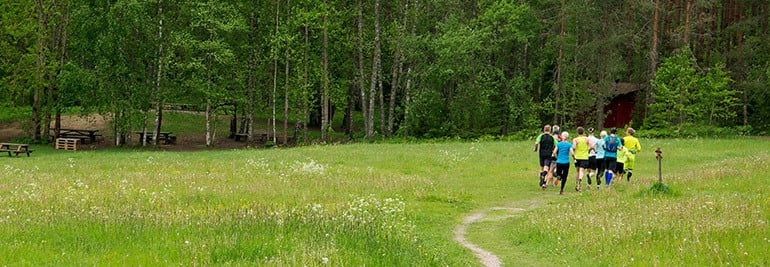

Running with a common goal
Many times adventure or endurance sports can be solitary pursuits. When we share our experiences and challenges with others, we are strengthened. As a new edition to our efforts to help build connections, we will be sharing stories from inspiring groups around the world whose love for sport and adventure not only build camaraderie amongst themselves, but also serve to invigorate and motivate all of us together.
In Suunto’s home country of Finland, trail running has moved from niche to mainstream with incredible speed. Races that had only a handful of runners two years ago, now sell-out to their capacity in hours. Located all over the country, trail races are a natural extension to the almost inherent connection Finns have with nature, from orienteering to cross-country skiing. Vast expanses of forested wilderness and rolling fjells provide countless opportunities to explore.
The Nuuksio Classic trail marathon is one of the most popular races on the calendar, happening the first weekend in September. It is held on the beautiful and varied trails and grey rock of the Nuuksio National Park just outside the capital, Helsinki.
We joined a training run in Nuuksio as runners from all walks of life and levels of experience were preparing for the marathon and getting to know the trail. For many of these runners, race day is the opportunity to challenge oneself and celebrate accomplishments, but the real transformative value of running and community come through the daily training, the scars, the group runs, the early morning miles and getting lost in the forest on a new (or old) trail.
As Ali Leivo, an avid trail runner and community stalwart, says, “while the Finnish trail running community is small, it is like a family. I could shoot off to anywhere in the country and someone would welcome me, not only on their home trails, but into their homes as well.” This community often congregates, and reunites in some of the most iconic national landscapes, prepared for the challenges ahead and sharing their collective energy with one another.
Community encourages us to explore, both our wondrous natural world and within ourselves. As we embrace new connections, our energy combines and propels us forward, and when you are running in the wild it’s always nice to know someone’s got your back.
We’ll return soon with our next instalment of community events. Stay tuned!
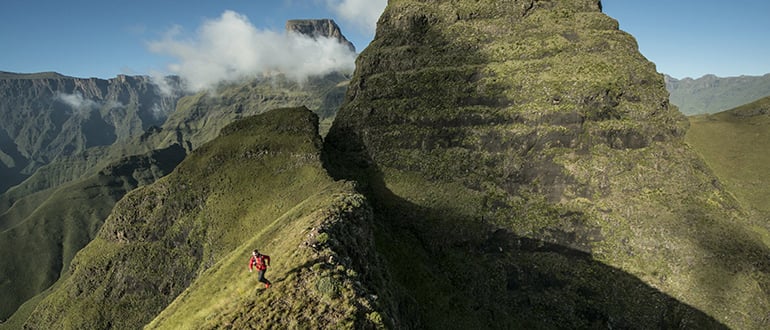

How to handle setbacks like a champion
Being an athlete isn’t all glory and endorphin highs. Just ask champion ultra runner Ryan Sandes. He’s had to pull out of three races recently due to catching glandular fever and struggling to recover. Now he’s taking a break from running to allow his body time to fully heal. We caught up with Ryan and asked him a few questions about how he deals with setbacks.
How are you doing after your recent setbacks?I feel pretty low and disappointed now, but I am focusing on switching off from my setback and not overthinking it too much as that just makes it worse. I am putting a plan in place to fix my health and that is all I can do. I have had a crap year racing, but I have had some epic experiences this year, traveled to some awesome places and it is important to be grateful for that!
Check out Ryan's recovery tips for before and after the race!
Ryan enjoys a soak after announcing he's taking a short break from ultra running to recover. © Ryan SandesHow do athletes often react to a setback, whether injury or illness? It is really frustrating and demoralizing at the time. You think back to all the hard training and effort you have put into a specific goal and then all of a sudden that all disappears. I always try to focus on the positives in the situation and remember that a setback is not the end of the world – it’s just a hurdle on the way to reaching my dreams.
Find out how to use the Suunto Ambit3 to help you recover
Are setbacks always a bad thing or can they be helpful in unexpected ways?
I think it’s actually through our setbacks that we learn the most about ourselves and develop as people. It’s easy when everything is going right, but when you have a major setback it really tests you and when you come out the other side, it makes your achievement that much more rewarding. I find after a big setback I am more focused and determined than ever.
Having unstructured fun is important for recovery. © Ryan SandesWhat do athletes often fear most about setbacks and is this fear necessarily true? It’s a common worry that if you can't train you will lose your fitness and not be ready for an upcoming race, but I believe often the body knows best, and the time off from training helps it to fully recover and get strong after all the training. You will often see an athlete come back really strong after an injury because they have taken enough time off.
Read more recovery tips from Suunto's ambassadors!
Setbacks can make you stronger, Ryan says. © Ryan Sandes
If someone gets an injury, they can sometimes get training withdrawal– how do you recommend working with this? Sitting around with an injury is really frustrating and you get 'cabin fever' as you know all your fellow athletes are outside training. It’s important to focus on fully recovering and doing your rehab so you can come back stronger. If you can’t run and are feeling really frustrated then go outside for an easy hike to be outdoors, but don't push yourself otherwise you will just get injured again.
What recovery really means – from a physiology specialist
What to do if you lose your motivation because of a setback?
If you are feeling a real lack of motivation take a complete break and focus on the fun element of your training or just having fun in general. This could be running for fun with no specific time or training goals or even just hanging out with friends and having a laugh. Take your mind off training and the setback to reboot your system and feel inspired again. Don’t take life too seriously and accept that you will have setbacks along the way.
It's important to keep the big picture in mind, Ryan says. © Ryan SandesDo you have a favorite quote about never giving up?
"If one dream dies, dream another dream. If you get knocked down, get back up and go again." - Joel Osteen