




SUUNTOブログ

How to start diving
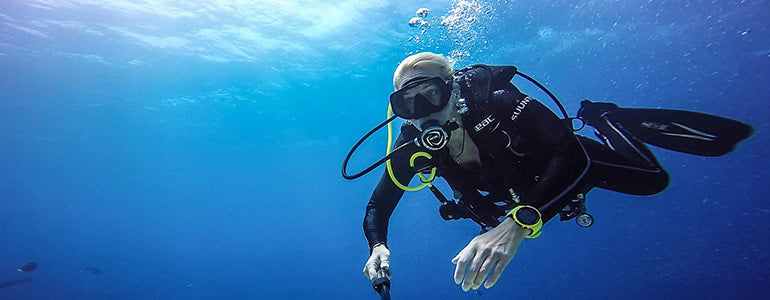
The famous Scuba Diving Girls Margo Sanchez and Stephanie Adamson are long-time champions of exploring the ocean. The Californians constantly share images and clips of themselves diving with playful seals, baby rays, turtles and sharks. Who better to ask how to start scuba diving?
© scubadivergirls.com
What do you say to someone thinking about diving for the first time?Just go for it. There is so much to see and experience with scuba diving. Don’t be afraid of all the gear, you will quickly get used to it and be empowered by it. There is really nothing that compares to this experience and you will not only love scuba diving, but also you will fall in love with a world unknown to you now.
“When you find a connection with the ocean and its inhabitants, it is a feeling you cannot ignore.”
What do you wish every newbie diver knew?
Have fun! Diving will bring so much joy to your life so remember to enjoy it. Make sure you find dive buddies who enjoy the experience and enhance your experience. It is important to follow your instincts and don’t let others intimidate you.
Click to see the new Suunto Zoop Novo Blue*!
© scubadivergirls.comWhat path do you recommend?Depending on your experience in the water, it may be good to try out scuba first. There is a class offered by most dive shops and independent instructors called Discover Scuba. This allows you to get in and get some instruction and try out the equipment before committing to a full certification class. But if you know you are ready, then it is time to sign up for an open water diving course.
“There’s nothing more memorizing than watching a shark glide by silently and unexpectedly or a seal who comes to pull on your fin as you frog kick your way through a kelp forest.”
What are the key steps to becoming a diver?
Finding a good instructor that you feel comfortable and safe with is the first step. Learn the skills and safety procedures during class and practice as often as possible. Even after you are certified, you should continue to practice the skills on a regular basis, as this will make you a better diver. Get as much time in the water as possible. Find buddies who are more advanced than you so that you can learn from their techniques. Don’t be lazy when it comes to your equipment care and maintenance. Your equipment is your lifeline.
© scubadivergirls.comWhat are the important things to remember? Safety should always be your first priority. It takes many dives before you are skilled enough to deal with the many issues you can experience under the surface. Understand your limits and never dive beyond these limits. If you want to do more advanced dives, take the classes to certify in that discipline first and even then be sure the diving is within your physical capabilities. When diving a new place find a local dive expert to guide you. Be sure you understand your gear. Diving should be super fun but always be sure safety is your primary focus.
*Suunto has just released the Zoop Novo Blue, a dive watch perfect for beginner divers or people seeking new adventures. Click here for more info about this simple to use dive computer.
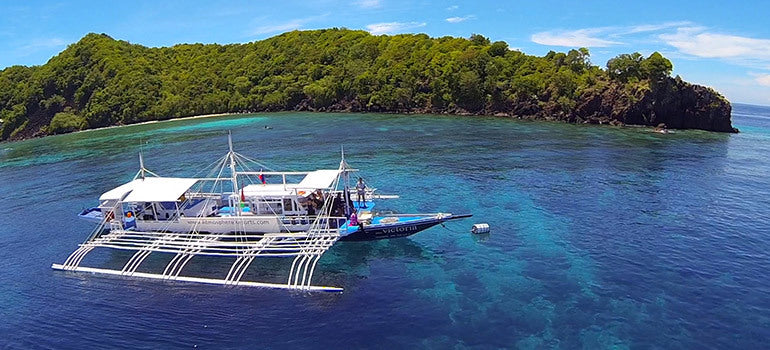

Win a diving trip to the Philippines and introduce your non-diving friend to the underwater world
As a diver you have probably seen some pretty amazing places. But have you been able to share your excitement with your non-diving friends? Explaining the experience certainly isn’t always easy. To overcome this you now have a chance to invite your friend, who is not yet familiar with diving, on a diving trip to the Philippines to explore the underwater world with you!
To get a chance to invite your friend on a diving trip post a picture of an unforgettable diving moment and tag your new-to-diving friend to the post. The winner of the contest will win a week-long trip for two to Atmosphere Resorts in the Philippines with flights included. The resort is beautifully situated on a beachfront location on the island of Negros Oriental near Dumaguete. Your friend will have a chance to participate on a four-day open water diving course at the resort.
Share a photo on Facebook or Instagram and tag it with your non-diving friend and #DiveWithMe and @suuntodive. The most inviting entry will be selected as the winner by Suunto and the Scuba Diver Girls. In addition to the main prize five Suunto Zoop Novo dive computers and PADI Open Water Touch e-learning packages will be raffled amongst all participants.
The contest period is March 17th – April 10th 2016.
See the full terms and conditions here
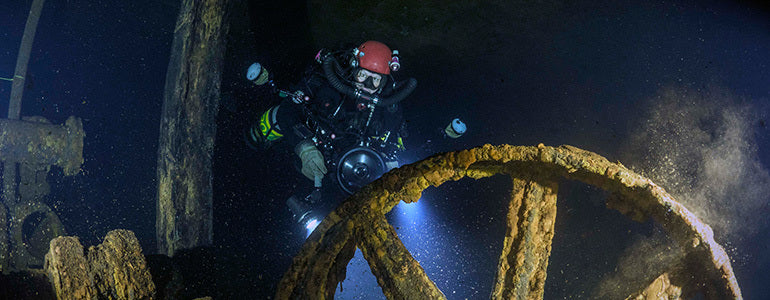

Diving in the abandoned Bell Island mine
It’s the Royal Canadian Geographical Society’s Expedition of the Year – the Bell Island Mine Dive. Suunto ambassador Jill Heinerth is part of the team exploring the vast and submerged mine system. Scroll down to learn more and to see images of this incredible dive site.
Canadian underwater explorer and technical diver Jill Heinerth is part of a team now exploring 100 km of long-abandoned mining passages beneath the seafloor of historic Bell Island, which lies off the coast of Newfoundland, Canada “The plan is to open this site for guided cave diving for experienced divers,” Jill says. “Ocean Quest Adventure Resort already boasts the ‘Truk of the North’ in terms of shipwrecks. Couple that with the mine, icebergs and humpback whales, and you have one of the finest diving destinations on the planet.”
“Shipwrecks, the mine, icebergs and humpback whales – one of the finest diving destinations on the planet.”
© Cas Dobbin 2016The plan for the expedition is to establish some primary guidelines for others to follow in the future and to get an idea of what was left in the mine when it was abandoned in 1966. So far, they have found everything from the remains of a miner’s lunch kit, an antique Pepsi Cola bottle, to large pumping equipment and pressure dampeners. “The walls of the mine also tell an important story; miners left behind basic graffiti on the walls such as columns of addition but also painted caricatures in lampblack and white crosses where their colleagues died. It all tells the anthropological story of mining.”
Click for more about Jill Heinerth
© Cas Dobbin 2016The expedition will also explore the island’s staunch local culture and WWII shipwrecks in its harbour. “The high-grade ore coming from the Bell Island mine was critical to shipbuilding during the war,” Jill says. “In 1942, a German U-Boat sunk four ore carriers and blew up the loading wharf on Bell Island. Seventy men died. The four shipwrecks are a part of this project and I will be back to document them in summer.” © Cas Dobbin 2016Engineers have helped the team assess and mitigate risks in the dry part of the mine. The hematite ore walls can collapse simply by leaning against them. Underwater, they have experienced whiteout conditions from inflowing meltwater. The remaining electrical supply line is an entanglement hazard. “We have to employ very prudent and conservative diving protocols to keep everyone safe and that means a big team topside to help in the logistics and safety.”
“It all tells the anthropological story of mining.”
The team includes some of the best technical divers in the world. Most are from Canada, and two others are from Britain and Germany. “The majority of the team is using rebreathers in order to lessen the impact of percolation from the ceiling and to increase warmth and comfort.”
Click for 7 off-season tips for divers
Fierce weather has created problems for the expedition. Blizzards, gales, floods and complete melts have each made things difficult. “The weather made travel across the Tickle to the island impossible on some days and on others we had a river of rushing meltwater flooding the infrastructure we had built for the project. It has not been easy, but we are learning about the forces of nature that will affect further exploration here.”
To follow news about the Bell Island Mine Dive expedition, click here.
Main image: © Cas Dobbin 2016

ダイビングのオフシーズンにやるべき7つのこと|体力・器材・スキルの準備
しばらく海から離れるダイビングのオフシーズン。次のシーズンまで器材を保管して、再開直前に準備すればよいと思っていませんか。
ダイビングは、知識だけでなく、水中での動きや器材の操作に慣れていることが大切です。ブランクが長くなると、以前は自然にできていた確認や操作にも時間がかかることがあります。
元記事でアドバイスを寄せたのは、テクニカルダイバーであり、商業ダイビングのスーパーバイザーでもあるアンディ・トーベット。沈没都市、洞窟、深海の沈船、サンゴ礁など、さまざまな環境を探検してきた経験から、オフシーズンも「ダイビングの準備期間」として活用することを勧めています。
この記事では、ブランク明けも落ち着いて潜るために、オフシーズンに取り組みたい7つの準備を紹介します。
目次
1. 完全なオフシーズンをつくらない
2. 基本スキルと緊急時の手順を復習する
3. 有酸素運動で基礎体力を維持する
4. 体幹と可動性を整える
5. 器材を点検・メンテナンスする
6. ダイブログとダイブコンピューターを見直す
7. 次の講習やダイビングを計画する
現行Suuntoダイブコンピューターで準備する
まとめ|オフシーズンを次のダイビングの準備期間に
1. 完全なオフシーズンをつくらない
アンディの最初のアドバイスは、できるだけ「完全なオフシーズンをつくらない」ことです。
いつもの海に行けない時期でも、プール講習や穏やかな環境での短いダイビングなど、安全に参加できる機会があれば、器材の扱いや水中での感覚を維持しやすくなります。潜る頻度が少ない人ほど、再開時にいきなり難しい環境へ入らず、余裕のある条件から戻ることが大切です。
長期間潜っていない場合は、自分だけで感覚を取り戻そうとせず、所属する指導団体やダイビングショップが実施するリフレッシュ講習を検討しましょう。必要な準備は、認定レベル、経験、ブランクの長さによって異なります。
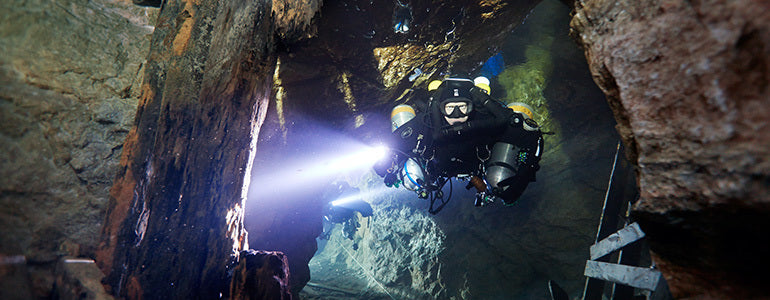
フィンランドのオヤモ鉱山を探検するアンディ・トーベット。Suuntoのダイビング製品もテストされてきた場所です。© Janne Suhonen
2. 基本スキルと緊急時の手順を復習する
水中で落ち着いて行動するには、基本動作を繰り返し確認しておくことが役立ちます。オフシーズンには、講習で学んだ内容や自分のチェック手順を見直しましょう。
バディチェックの順序
マスククリアやレギュレーターリカバリー
浮力調整と安全停止
残圧、深度、潜水時間の確認方法
エア切れやバディとはぐれた場合の手順
ダイブコンピューターの警告表示と操作方法
実技を練習するときは、必ず資格を持つインストラクターやダイブプロフェッショナルの管理下で、講習に適した環境を選んでください。環境や器材構成が変われば、必要な手順も変わります。
3. 有酸素運動で基礎体力を維持する
ダイビングは速さを競うスポーツではありませんが、身体的な負担がないわけではありません。エントリー地点まで器材を運ぶ、流れの中でフィンを動かす、水面を泳ぐ、ボートへ上がるといった場面では、基礎体力が余裕につながります。
ウォーキング、スイミング、軽いランニング、サイクリングなど、継続しやすい有酸素運動を生活に取り入れましょう。大切なのは急に負荷を上げることではなく、無理なく動き続けられる状態を保つことです。
体力があれば、多くの状況で助けになります。
© Martin Hartley
4. 体幹と可動性を整える
タンクやBCDなどを含むダイビング器材は重く、着脱や移動の際に腰、肩、膝へ負担がかかります。オフシーズンは、体幹の安定性と関節の可動性を見直す機会です。
スクワット、ヒップヒンジ、体幹を安定させる運動などを、正しいフォームで少しずつ取り入れましょう。肩や膝、腰などに違和感がある場合は、痛みを我慢してトレーニングせず、医療従事者や専門家へ相談してください。
体力づくりは、無理に重い器材を持ち上げるためではありません。必要に応じてバディやスタッフの助けを借り、器材を分けて運ぶなど、身体への負担を減らす工夫も安全準備の一つです。
© Janne Suhonen
5. 器材を点検・メンテナンスする
次のダイビング直前になって不具合に気づかないよう、余裕のあるオフシーズンに器材を確認します。
レギュレーター、BCD、ドライスーツなどの点検・定期サービス時期
マスクやフィン、ストラップ、バックルの劣化
ホース、Oリング、ファスナー、バルブ周辺の状態
ダイブライトや予備ライトのバッテリー
ダイブコンピューター、トランスミッター、充電ケーブルの動作
安全器材やスペアパーツの不足
生命維持に関わる器材を自己判断で分解・修理せず、メーカーの指示や認定サービスセンター、信頼できるダイビングショップへ相談してください。保管方法も製品ごとに異なるため、取扱説明書に従います。
6. ダイブログとダイブコンピューターを見直す
オフシーズンは、過去のダイブログを落ち着いて振り返るよいタイミングです。潜水時間や最大深度だけでなく、使用した器材、ウエイト、スーツ、水温、視界、流れ、空気消費、体調、うまくいかなかった操作なども確認しましょう。
「安全停止で浮力が安定しなかった」「寒さで早めに終了した」「残圧の減りがいつもより早かった」といった記録は、次の講習や器材選び、ダイブプランを考える材料になります。
ダイブコンピューターは充電・電池残量、日時、個人設定、アラーム、ガス設定、ソフトウェア更新、アプリとの同期状態を確認します。設定を変更した場合は、次のダイビング前に表示と操作を確かめてください。
▶︎関連記事:「ダイビングログをもっと活用する方法|Suuntoアプリでダイブデータを振り返る」
7. 次の講習やダイビングを計画する
潜れない期間も、次の目標があればモチベーションを保ちやすくなります。行きたい場所を調べるだけでなく、必要な経験、講習、器材、移動、季節、現地ルールまで整理しておきましょう。
次に伸ばしたいスキルを一つ決める
リフレッシュ講習や継続教育の日程を確認する
認定カード、保険、健康状態、必要書類を確認する
ダイビングショップやバディと計画を共有する
自分の経験に合う海況・深度・環境を選ぶ
新しい環境や高度なダイビングへ進む場合は、適切な指導と経験が必要です。ダイブコンピューターを使うことは、必要なトレーニングや安全な計画の代わりにはなりません。
現行Suuntoダイブコンピューターで準備する
オフシーズンに器材構成を見直すなら、次のシーズンにどのようなダイビングをしたいかを基準に考えます。
Suunto Oceanは、ダイビング機能とGPSスポーツウォッチの機能を一台にまとめたモデルです。ダイビングだけでなく、日々の運動や睡眠、回復の傾向も継続して振り返りたい人に適しています。
Suunto Nauticは、大型AMOLEDディスプレイと長時間のダイビングに対応するバッテリー、レクリエーションからテクニカルダイビングまでを見据えた機能を備えたダイブコンピューターです。
Suunto Nautic Sは、よりコンパクトな形状で、スキューバダイビングやフリーダイビングに必要な水中機能へ重点を置いたモデルです。
どのモデルでも、実際に使用する前に取扱説明書を読み、表示、アラーム、設定、充電方法、アプリとの同期を陸上で確認してください。
まとめ|オフシーズンを次のダイビングの準備期間に
ダイビングのオフシーズンは、ただ次のシーズンを待つ時間ではありません。基本スキルの復習、体力づくり、身体のケア、器材の点検、ダイブログの振り返りを少しずつ進めることで、ブランク明けの不安を減らせます。
久しぶりに潜るときは、経験や資格に関係なく、余裕のある環境から再開することが大切です。必要に応じてインストラクターやダイビングショップのサポートを受け、次の水中体験を安全に楽しむ準備を整えましょう。
次のダイビングに向けて、信頼できる一台を
Suunto Ocean、Nautic、Nautic Sなど、目的に合ったSuuntoのダイブコンピューターを確認できます。
Suuntoのダイビング製品を見る
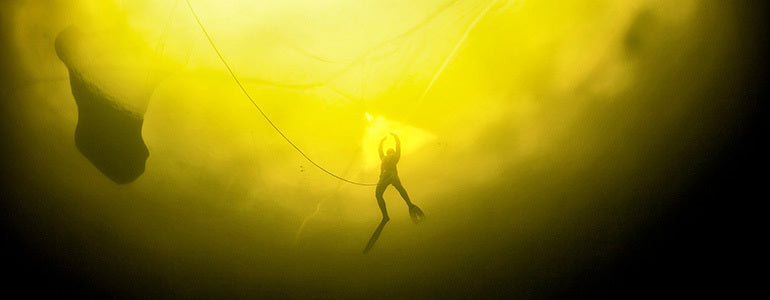

Four reasons to try ice diving
Usually freediving events are held in warm and sunny locations like Dean’s Blue Hole in the Bahamas, but not Asikkala on the Rocks. It’s held every March in Finland and involves plunging through a hole in a sheet of ice and diving down into the biting waters beneath. Pure madness, you think? “Not at all,” says organizer Antero Joki, Finland’s top freediver. “It’s a spiritual feeling. It’s not about how deep you go, it’s about the feeling.” Here’re four reasons to give ice freediving a go.
Feeling brave? Jump in in your swimsuit. © Pekka TuuriThe thrill of the cold Despite what you might think, diving in frigid water doesn’t feel terrible once you get past the initial shock. “It’s actually thrilling,” Antero says. “Every time someone overcomes their fear of the cold and goes for it, they come out of the water smiling. Of course you can feel the coldness through your wetsuit, but it’s not bad. You can stay in only for half an hour, but that’s enough to enjoy this incredible underwater experience.”
“Every time someone overcomes their fear of the cold and goes for it, they come out of the water smiling.”
© Pekka Tuuri
The underwater ambience
“It’s hard to describe this; you have to experience it for yourself,” Antero says. “There’s total silence. There’s this twilight light and the ice creates a shadow theater. You can see shadows of the people moving on the surface of the ice. And even though it’s cold, it feels cozy.” It teaches relaxation “It’s always a maximum of 4°C below 10 m so it’s always cold and it’s always dark,” Antero says. “But when you learn to relax in a cold and dark water it means when you freedive in warm water it’s so much easier to be relaxed.”
© Pekka TuuriThe Finnish saunas Before plunging through the ice, Asikkala on the Rocks participants relax in saunas to prepare themselves and then again afterwards to warm up. “The combination of warmth and cold is good for body and mind,” Antero says. “It’s a very relaxing atmosphere.”
MAIN IMAGE: © Pekka Tuuri


7 incredible places to snorkel that you can access from the beach
Here’s one of those vacation bugs: great beaches often have lousy snorkeling. You wander into the sea hoping for pristine waters and a vibrant underwater life and what you get is cloudy visibility thanks to all the sand – and zero fish. But you don’t have to join a boat trip to that ‘hidden’ cove to enjoy great snorkeling. Here are seven beaches you can take both your book – and your fins.
Ayada Maldives
The Maldives is home to some of the best diving and snorkeling around the world; an abundant sea life, clear warm waters and some fantastic beaches as well. Where to stay? We’re biased but last year the Suunto Dive team stayed at Ayada Maldives. The house reef is just a few minutes swim from the beach and home to reef sharks, rays and sea turtles. You’ll love these incredible underwater shots.
© George Karbus
Dean’s Blue Hole, Bahamas
Dean’s Blue Hole is the well known venue for some of the world’s deepest freedives. One of the world’s largest salt water blue holes, it plunges down to 200m just meters from the soft sanded beach. But you don’t need to be a champion freediver like Will Trubridge to enjoy the venue. Diving down to the entrance rim of the blue hole is within reach of most people, while there’s great snorkeling to be had around the cove.
© samovidic/ zooom.at
Goat Island, New Zealand
Let’s be honest, New Zealand is not the first place you’d think of for a beach and snorkel vacation. But as the country’s first marine reserve, Goat Island is a surprisingly awesome and family-friendly venue for sun and sea worshipers. Approximately 90 km north-east of Auckland, the reserve is home to snapper, kingfish, kahawai and jack mackerel. Lobster and crayfish are also common while seals and dolphins are also occasionally spotted.
Okinawa Island, Japan
Move over Great Barrier Reef, Thailand (see # 6) and Bali. If you’re looking for awesome snorkeling within reach of some pristine sandy beaches, head to Japan. We asked freediver Tomoka Fukuda for her recommendations. Unsurprisingly, she went for her home. “The Okinawa ocean is very beautiful,” she says. It’s also home to turtles, manta ray, reef shark and an abundance of other tropical fish. The sushi’s pretty good too.
Noa Noa Island, Philippines
It sounds like it could be the lair of a Bond villain, but there will only be pleasant surprises for those who visit the private island of Noa Noa. An official marine sanctuary, it is surrounded by a 70 hectare tropical reef. It features easy beach access, areas suitable for beginners as well as caves and walls for those adventurous snorkelers who want to explore further.
© noanoaisland.com
Phuket, Thailand
We tried really hard not to mention Thailand but some places you just can’t ignore. Among them are the many beaches in Phuket. Some offer better snorkeling than others. Find beautiful coves and rock formations at Ao Sane beach in the south-west.
Raja Ampat Islands, West Papua, Indonesia
If it’s unparalleled snorkeling and biodiversity you’re after, you’ve come to the right place. The Raja Amapat Islands of West Papua are home to 75% of all known coral species and abundant marine life. There are over 1,000 different species of fish in the reserve. Expect to see sea turtles, sharks and manta rays, and because it’s so remote, very few people. The catch? Access is also remote. There are some incredible beaches with snorkeling just a few steps away, but you may need a boat to get to the beach first. © Trekpedition.Com via Flickr
MAIN IMAGE: © Predrag Vuckovic


