

しばらく海から離れるダイビングのオフシーズン。次のシーズンまで器材を保管して、再開直前に準備すればよいと思っていませんか。
ダイビングは、知識だけでなく、水中での動きや器材の操作に慣れていることが大切です。ブランクが長くなると、以前は自然にできていた確認や操作にも時間がかかることがあります。
元記事でアドバイスを寄せたのは、テクニカルダイバーであり、商業ダイビングのスーパーバイザーでもあるアンディ・トーベット。沈没都市、洞窟、深海の沈船、サンゴ礁など、さまざまな環境を探検してきた経験から、オフシーズンも「ダイビングの準備期間」として活用することを勧めています。
この記事では、ブランク明けも落ち着いて潜るために、オフシーズンに取り組みたい7つの準備を紹介します。
1. 完全なオフシーズンをつくらない
アンディの最初のアドバイスは、できるだけ「完全なオフシーズンをつくらない」ことです。
いつもの海に行けない時期でも、プール講習や穏やかな環境での短いダイビングなど、安全に参加できる機会があれば、器材の扱いや水中での感覚を維持しやすくなります。潜る頻度が少ない人ほど、再開時にいきなり難しい環境へ入らず、余裕のある条件から戻ることが大切です。
長期間潜っていない場合は、自分だけで感覚を取り戻そうとせず、所属する指導団体やダイビングショップが実施するリフレッシュ講習を検討しましょう。必要な準備は、認定レベル、経験、ブランクの長さによって異なります。

フィンランドのオヤモ鉱山を探検するアンディ・トーベット。Suuntoのダイビング製品もテストされてきた場所です。© Janne Suhonen
2. 基本スキルと緊急時の手順を復習する
水中で落ち着いて行動するには、基本動作を繰り返し確認しておくことが役立ちます。オフシーズンには、講習で学んだ内容や自分のチェック手順を見直しましょう。
- バディチェックの順序
- マスククリアやレギュレーターリカバリー
- 浮力調整と安全停止
- 残圧、深度、潜水時間の確認方法
- エア切れやバディとはぐれた場合の手順
- ダイブコンピューターの警告表示と操作方法
実技を練習するときは、必ず資格を持つインストラクターやダイブプロフェッショナルの管理下で、講習に適した環境を選んでください。環境や器材構成が変われば、必要な手順も変わります。
3. 有酸素運動で基礎体力を維持する
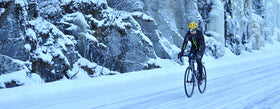
ダイビングは速さを競うスポーツではありませんが、身体的な負担がないわけではありません。エントリー地点まで器材を運ぶ、流れの中でフィンを動かす、水面を泳ぐ、ボートへ上がるといった場面では、基礎体力が余裕につながります。
ウォーキング、スイミング、軽いランニング、サイクリングなど、継続しやすい有酸素運動を生活に取り入れましょう。大切なのは急に負荷を上げることではなく、無理なく動き続けられる状態を保つことです。
体力があれば、多くの状況で助けになります。

© Martin Hartley
4. 体幹と可動性を整える
タンクやBCDなどを含むダイビング器材は重く、着脱や移動の際に腰、肩、膝へ負担がかかります。オフシーズンは、体幹の安定性と関節の可動性を見直す機会です。
スクワット、ヒップヒンジ、体幹を安定させる運動などを、正しいフォームで少しずつ取り入れましょう。肩や膝、腰などに違和感がある場合は、痛みを我慢してトレーニングせず、医療従事者や専門家へ相談してください。
体力づくりは、無理に重い器材を持ち上げるためではありません。必要に応じてバディやスタッフの助けを借り、器材を分けて運ぶなど、身体への負担を減らす工夫も安全準備の一つです。

© Janne Suhonen
5. 器材を点検・メンテナンスする
次のダイビング直前になって不具合に気づかないよう、余裕のあるオフシーズンに器材を確認します。
- レギュレーター、BCD、ドライスーツなどの点検・定期サービス時期
- マスクやフィン、ストラップ、バックルの劣化
- ホース、Oリング、ファスナー、バルブ周辺の状態
- ダイブライトや予備ライトのバッテリー
- ダイブコンピューター、トランスミッター、充電ケーブルの動作
- 安全器材やスペアパーツの不足
生命維持に関わる器材を自己判断で分解・修理せず、メーカーの指示や認定サービスセンター、信頼できるダイビングショップへ相談してください。保管方法も製品ごとに異なるため、取扱説明書に従います。
6. ダイブログとダイブコンピューターを見直す
オフシーズンは、過去のダイブログを落ち着いて振り返るよいタイミングです。潜水時間や最大深度だけでなく、使用した器材、ウエイト、スーツ、水温、視界、流れ、空気消費、体調、うまくいかなかった操作なども確認しましょう。
「安全停止で浮力が安定しなかった」「寒さで早めに終了した」「残圧の減りがいつもより早かった」といった記録は、次の講習や器材選び、ダイブプランを考える材料になります。
ダイブコンピューターは充電・電池残量、日時、個人設定、アラーム、ガス設定、ソフトウェア更新、アプリとの同期状態を確認します。設定を変更した場合は、次のダイビング前に表示と操作を確かめてください。
▶︎関連記事:「ダイビングログをもっと活用する方法|Suuntoアプリでダイブデータを振り返る」
7. 次の講習やダイビングを計画する
潜れない期間も、次の目標があればモチベーションを保ちやすくなります。行きたい場所を調べるだけでなく、必要な経験、講習、器材、移動、季節、現地ルールまで整理しておきましょう。
- 次に伸ばしたいスキルを一つ決める
- リフレッシュ講習や継続教育の日程を確認する
- 認定カード、保険、健康状態、必要書類を確認する
- ダイビングショップやバディと計画を共有する
- 自分の経験に合う海況・深度・環境を選ぶ
新しい環境や高度なダイビングへ進む場合は、適切な指導と経験が必要です。ダイブコンピューターを使うことは、必要なトレーニングや安全な計画の代わりにはなりません。
現行Suuntoダイブコンピューターで準備する
オフシーズンに器材構成を見直すなら、次のシーズンにどのようなダイビングをしたいかを基準に考えます。
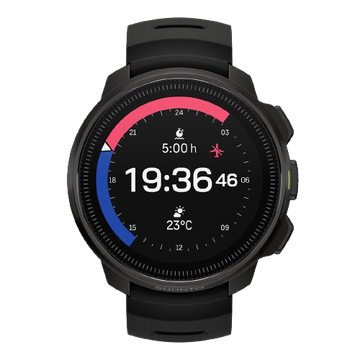
Suunto Oceanは、ダイビング機能とGPSスポーツウォッチの機能を一台にまとめたモデルです。ダイビングだけでなく、日々の運動や睡眠、回復の傾向も継続して振り返りたい人に適しています。
Suunto Nauticは、大型AMOLEDディスプレイと長時間のダイビングに対応するバッテリー、レクリエーションからテクニカルダイビングまでを見据えた機能を備えたダイブコンピューターです。
Suunto Nautic Sは、よりコンパクトな形状で、スキューバダイビングやフリーダイビングに必要な水中機能へ重点を置いたモデルです。
どのモデルでも、実際に使用する前に取扱説明書を読み、表示、アラーム、設定、充電方法、アプリとの同期を陸上で確認してください。
まとめ|オフシーズンを次のダイビングの準備期間に
ダイビングのオフシーズンは、ただ次のシーズンを待つ時間ではありません。基本スキルの復習、体力づくり、身体のケア、器材の点検、ダイブログの振り返りを少しずつ進めることで、ブランク明けの不安を減らせます。
久しぶりに潜るときは、経験や資格に関係なく、余裕のある環境から再開することが大切です。必要に応じてインストラクターやダイビングショップのサポートを受け、次の水中体験を安全に楽しむ準備を整えましょう。
次のダイビングに向けて、信頼できる一台を
Suunto Ocean、Nautic、Nautic Sなど、目的に合ったSuuntoのダイブコンピューターを確認できます。
Suuntoのダイビング製品を見る