




美しいサンゴ礁。青い海を泳ぐ魚たち。悠然と進むサメやマンタ。
水中写真には、私たちが普段見ることのできない世界を一瞬で伝える力があります。
しかし、水中写真家スティーブ・ウッズ(Steve Woods)がカメラを向けてきたのは、美しい海だけではありません。
漁業による影響、プラスチックごみ、減少する魚、そしてサメを取り巻く環境。
彼が撮り続けているのは、「海で今、何が起きているのか」を伝えるための写真でもあります。
一枚の写真を見ることで、これまで知らなかった問題に気づく。その気づきが、行動を変えるきっかけになる。
今回はスティーブの歩みから、写真が海洋保全に果たせる役割と、海を楽しむ私たちにできることを考えます。
始まりは、サメへの憧れ
スティーブが海の世界に魅了されたのは、まだ子どもの頃でした。
彼の両親は、息子がサメを見たいという願いを叶えるため、英国各地の展示会へ何時間も車を走らせてくれたといいます。
あるとき「本物のサメが展示される」と聞いて会場へ向かったものの、そこにあったのは張り子の模型。
それでも、スティーブのサメへの興味が消えることはありませんでした。
古いVHSの自然ドキュメンタリーを何度も見返し、近くの水族館ではサメが水槽を泳ぐ姿を何時間も眺めていたそうです。
9歳でダイビングを始め、12歳になる頃には両親や姉妹と一緒にダイビング資格を取得しました。:contentReference[oaicite:1]{index=1}

© Steve Woods Photography
「世界を変えたい」からジャーナリストへ
スティーブのキャリアは、最初から水中写真家として始まったわけではありません。
英国でジャーナリストとして働きながら、社会が抱える問題を伝える仕事に携わっていました。
彼が関心を持ったテーマのひとつが、漁業や養殖による環境への影響です。
問題について文章で伝えるだけでなく、実際に水中へ入り、その現場で何が起きているのかを見ていきました。
人間の日常的な選択が、海の中ではどんな変化として現れるのか。
「知られていない問題を、どうすれば理解してもらえるか」という問いは、その後の写真家としての活動にもつながっていきます。:contentReference[oaicite:2]{index=2}
海の問題を、水中から見る
海洋環境の問題は、水面から眺めているだけでは見えにくいものがあります。
魚の数の変化。
海底に流れ着いたプラスチック。
漁業による生態系への影響。
そして、サメをはじめとする海洋生物を取り巻く状況。
ダイバーは、その変化を自分の目で直接見ることができます。
スティーブにとって水中撮影は、美しい景色を作品として残すだけではありません。
見えにくい海の変化を、水の上にいる人へ伝える手段になっていきました。
写真で伝えるため、インドネシアへ
2008年、インドネシアで経験したサメとの出会いが、スティーブの人生を大きく変えました。
彼は貯金をカメラ機材につぎ込み、インドネシア行きの片道航空券を購入。
英国でのジャーナリスト生活を離れ、水中写真を通じて海洋保全に関わる道を選びました。
最初に拠点としたロンボクでは、ダイブセンターでゲストの水中写真を撮影。
日々撮影を続ける中で、水中での光の扱い方や、海中で鮮明な写真を撮るための技術を身につけていきます。:contentReference[oaicite:3]{index=3}
しかし、彼の目的は単に「上手な水中写真家になること」ではありませんでした。
海で見た現実を、より多くの人に伝えられる写真を撮ること。
そのための技術だったのです。
サメを撮ることが、サメを守る活動へ
その後スティーブは、地域の団体や保全プロジェクトとともにGili Shark Foundationの立ち上げに関わります。
活動のひとつが、サメの写真を撮影して個体を識別し、数を記録することでした。
最初は同じように見えていたサメも、身体の模様などを比較すると、それぞれ別の個体であることがわかります。
写真が単なる記念写真ではなく、生物を識別し、データを集めるための手段になったのです。
地域の人々もサメのカウントやイベント、データ収集に参加し、島全体で活動へ関わるようになりました。:contentReference[oaicite:4]{index=4}

© Steve Woods Photography
海を守るには、地域と一緒に取り組む
ギリ諸島での活動の後、スティーブはラジャ・アンパットへ移り、さらに海洋保全活動を続けました。
世界有数の海洋生物多様性を持つ地域でも、プラスチックごみや魚資源の減少といった問題があります。
そこで彼が重要だと考えたのが、外部の人間が一方的に「こうするべきだ」と決めないことでした。
地域の人々自身も、プラスチックごみの増加や魚が減っていることを認識していました。
だからこそ、現地の生活を無視して規則を押しつけるのではなく、地域と一緒に持続可能な方法を考える。
環境を守ることと、そこで暮らす人々の生活を両立させる仕組みが必要です。
スティーブは、長く続く保全活動には地域の人が主体的に関われることと、将来まで続けられる明確な計画が欠かせないと考えています。:contentReference[oaicite:5]{index=5}
写真は「知るきっかけ」をつくれる
スティーブが写真にこだわる理由のひとつが、視覚情報の力です。
環境問題について長い説明を読むことはなくても、一枚の写真を目にした瞬間に「これは何だろう」と立ち止まることがあります。
美しい海の写真。
傷ついた生態系の写真。
人間の活動によって変化した水中環境の写真。
どれも、その背景を知る入口になります。
スティーブは、人はまず知ることで、考え方を変えることができると考えています。:contentReference[oaicite:6]{index=6}

© Steve Woods Photography
ダイバーが海を守るためにできること
海洋保全と聞くと、大きな団体や研究者だけが取り組むものに思えるかもしれません。
しかし、日常的に海へ入るダイバーだからこそできることもあります。
- サンゴや海洋生物に触れない
- 中性浮力を身につけ、海底やサンゴへの接触を減らす
- ゴミを残さず、見つけた海洋ごみについて地域のルールに沿って行動する
- 野生生物を追いかけたり、撮影のために行動を妨げたりしない
- 地域のダイビングルールや保全活動について知る
- 撮った写真や経験を通じて、海の現状を周囲の人と共有する
写真家でなくても、「この海で何を見たか」を伝えることはできます。
大切なのは、海へ遊びに行くことと、海を大切にすることを別々に考えないことです。
海での体験を記録し、振り返る
水中写真が「その瞬間に見たもの」を残す記録だとすれば、ダイビングログはそのとき自分がどんなダイブをしていたのかを残す記録です。
深度、潜水時間、水温、ダイブプロファイルなどを記録しておくことで、潜水後にその日のダイビングを振り返ることができます。
Suuntoアプリでは、対応するダイブコンピューターで記録したデータをスマートフォンで確認でき、ダイビングログとして残すだけでなく、次のダイブ計画やスキルの振り返りにも活用できます。:contentReference[oaicite:7]{index=7}
▶︎ ダイビングログをもっと活用する方法|Suuntoアプリでダイビングデータを振り返る
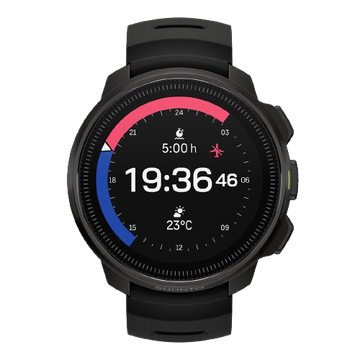
ダイビングと陸上でのスポーツをひとつのデバイスで記録したい場合は、Suunto Oceanも選択肢です。Suunto Oceanはダイビング機能とGPSスポーツウォッチ機能をひとつにまとめたモデルとしてラインアップされています。:contentReference[oaicite:8]{index=8}
この記事では商品を主役にはしません。まずは海へ入り、目の前の環境を知り、その体験を大切に記録すること。
その積み重ねが、海との付き合い方を考えるきっかけになります。
まとめ|海を知ることが、守ることの始まり
スティーブ・ウッズは、「世界を変えたい」という思いからジャーナリストになり、その後カメラを持って海の中へ入りました。
そこで見たのは、美しい水中世界だけではありません。
漁業、プラスチック、生態系の変化、そして保全に取り組む地域の人々。
彼はそれらを写真として記録し、人々が海で起きていることを知るためのきっかけをつくってきました。
知らなければ、変えようとも思えない。
だからこそ、一枚の写真にも意味があります。
次に海へ潜ったときは、美しい景色を楽しむだけでなく、その場所にどんな生き物がいて、どんな変化が起きているのかにも少し目を向けてみてください。
海を知ること。
記録すること。
そして誰かに伝えること。
世界を変える一歩は、そんな小さな行動から始まるのかもしれません。
Images © Steve Woods Photography


