




SUUNTOブログ

Take a ride around Mont Blanc
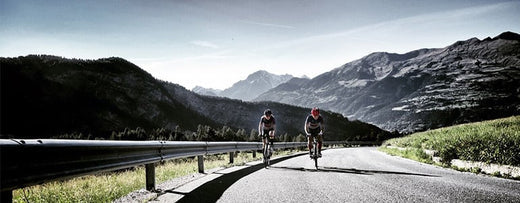
Mont Blanc is the highest mountain in the Alps and cycling around it offers mind-blowing views. Press play on the video below and experience what it's like to ride through this incredible landscape!
Alpinists and ice climbers Matthias Scherer and Tanja Schmitt can’t get enough of the mountains. Whether, it’s winter or summer, their lives revolve around preparing for and going on big adventures. To help them physically and mentally prepare for the coming winter, they cycled around Mont Blanc in less than 24 hours. Below, Tanja Schmitt recounts their big day out pedalling.
By Tanja Schmitt
The Tour du Mont Blanc climbs more than 8050 vertical meters over a total distance of 340 km. The route goes through some of the most beautiful alpine passes in the Alps and some of the most spectacular parts of Italy, Switzerland and France. It offers stunning views of the snow-covered flanks of the mighty Mont Blanc (4810m), the highest peak in the Alps.
As mountaineers and ice climbers, the psychological part of our sport has a big impact and the physical demands are also high. Next to basic strength training, regular rock-climbing and dry tooling, endurance training plays a major role in our overall training. For this reason, over summer Matthias and I do a lot of vertical ascent training through mountain running and biking. The idea of cycling non-stop around Mont Blanc was born from the logical step of connecting the passes and roads we’ve gotten to know so well through our training and traveling over the years. And on Sunday, August 30th the time had finally come to take action.
Click here to read more about Matthias Scherer and Tanja Schmitt
With bright headlamps and equipped with several Clif Shot Gels, Clif Shot Bloks and Clif Bars, together with salt-tablets and water, we hit the road at Aymaville and cycled along the empty roads of Aosta towards Grand St. Bernard. Our heartbeat was regular and we cycled in a steady rhythm. Our route lead us from the Col du Gr. St.Bernard over Champex to Martigny. Then over the Col de la Forclaz and on to Chamonix, Le Fayet and St. Gervais to Megève. From there we gained 750 vertical meters to les Saisies and further on to Beaufort. Temperatures during the day went to over 30° C and, correspondingly, the cycling became tougher. On the Cormet de Roselend, I began to suffer from the heat due to an agitating dry cough. But as the evening freshness came on, we got our strength back and enjoyed rolling down the long descent to Bourge-St-Maurice.
The challenge to organize water refills became an unexpected issue. However, after a nerve-racking 30-minute wait in the queue of a nearby McDonalds, we rehydrated and furthermore equipped ourselves with an ice-filled cola! The last verticals up the road of Petit St-Bernard were tackled at dawn. Then the end was in sight and after a spectacular ride down the Col to Prè-St-Didier, we felt like we were flying on the last flat kilometers on the SS26 to Aymaville. On arriving back in Aymaville, our Suunto Ambits showed a time of 19h55min. A wonderful training day in the mountains had come to an end.
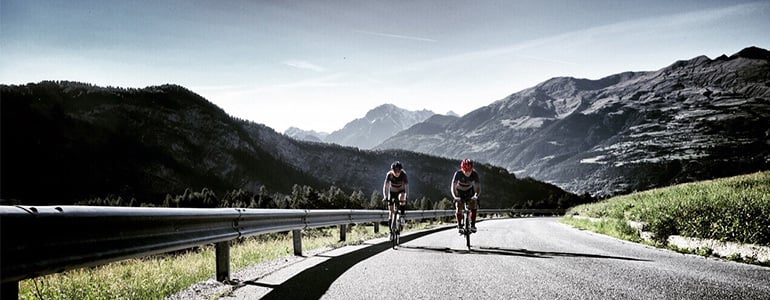

24h cycle tour around Mont Blanc
It’s 7000 m of elevation gain and 300 km and ice climbers and alpinists Matthias Scherer and partner Tanja Schmitt aim to cover their Tour Mont Blanc in less than 24 hours.
It’s the highest mountain in the Alps and cycling around the base of Mont Blanc takes most people around five days. Matthias Scherer and Tanja Schmitt aim cycle it on racing bikes in less than 24 hours this Sunday.
© Matthias Scherer
They’ve been climbing mountains and frozen waterfalls for over 15 years together and for them Mont Blanc – with its stunning ice channels and snow covered flanks – is a symbol of their shared passion.“Mont Blanc for me is something like a church,” Matthias says. “When I see it, it reminds me there’s something higher and more important in life to long for than numbers and training.”The unsupported tour will be the ultimate test of their bodies and minds before autumn arrives and their ice-climbing season begins. The most challenging part, however, will be staying focused and fueled.“You have to be extremely concentrated the whole time,” Matthias says. “The descents are very tricky, the roads aren’t always good, as they have holes. “You have to stay fueled if you want to keep a rhythm.”
© Matthias Scherer
They’ll be drinking water every 10 minutes, taking electrolytes every 13 minutes, eating energy blocks every 20 minutes and sandwiches before each long downhill to allow enough rest time for digestion. Another challenge is making sure they don’t push too hard too early on in the tour. “At the beginning of a big tour like this it’s common to be a little bit euphoric and to push too hard,” Matthias explains. To avoid this, they will use their Ambit3 Peak watches to ensure they keep their heart rates at 70 per cent of their maximum. They’ll also use their watches to record their elevation gain and for GPS tracking to navigate the few stages of the tour they’re less familiar with.“It’s going to be a long training day for us, but I don’t expect to be broken,” Matthias says. “I plan to go climbing right away on Monday.”
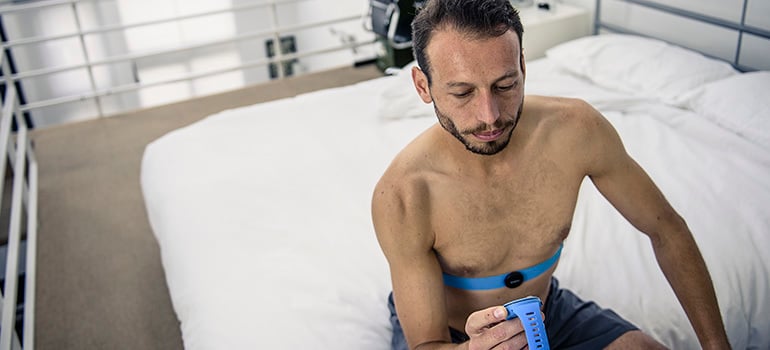

トレーニングで強くなるのは休んでいるとき|回復と適応の仕組み
トレーニングで強くなるには、走る、登る、泳ぐといった運動そのものが欠かせません。しかし、身体がトレーニングの刺激を受け止め、次の負荷に対応できるよう変化していくのは、運動を終えたあとの時間です。
つまり、休息はトレーニングの反対ではなく、その一部です。負荷と回復が適切に組み合わさって初めて、持久力や筋力、動作の効率といった能力の向上につながります。
この記事では、スポーツウォッチで回復をどう測るかではなく、回復中の身体で何が起きているのかを中心に解説します。
目次
身体は一定の状態を保とうとする
「疲労が抜けること」と「適応」は同じではない
睡眠は適応を支える土台
自律神経の変化は回復を知る手がかりになる
データが良くても休むべき日はある
回復を「判定」ではなく「判断材料」として使う
日々の変化を、現在のSuuntoで振り返る
まとめ|休息まで含めてトレーニングを設計する
身体は一定の状態を保とうとする
人の身体には、体温や血糖値など、体内の環境を一定の範囲に保とうとする働きがあります。これはホメオスタシス(恒常性)と呼ばれます。
トレーニングは、この安定した状態へ意図的に刺激を与える行為です。運動中はエネルギーを消費し、筋肉や心肺機能、自律神経系に負荷がかかります。身体はその刺激から回復する過程で、同じような負荷へ以前より対応しやすくなるよう適応を進めます。
ただし、刺激が強ければ強いほど効果が高まるわけではありません。回復できる範囲を超えて負荷が続けば、質の高い練習を積み重ねにくくなります。
「疲労が抜けること」と「適応」は同じではない
回復という言葉からは、筋肉痛がなくなる、疲労感が軽くなるといった変化を想像しがちです。しかし、身体が元の状態へ戻ることと、トレーニング刺激に適応することは、厳密には同じではありません。
エネルギーの補充、損傷した組織の修復、神経系の落ち着き、運動動作の学習などは、それぞれ異なる時間軸で進みます。朝の数値が良好でも脚に強い張りが残ることがあり、反対に身体は軽く感じても、睡眠不足によって集中力が落ちている場合があります。
回復を一つの数字で表し切れないのは、このように複数の仕組みが同時に関わっているためです。
睡眠は適応を支える土台
睡眠は、身体と脳が日中の刺激から回復するための重要な時間です。トレーニングだけでなく、仕事、移動、暑さ、精神的な緊張なども身体にとってはストレスになります。運動量だけを見ていても、実際の回復状態を捉えられないことがあります。
睡眠を振り返るときは、一晩の長さだけでなく、就寝・起床時刻の規則性、夜間の目覚め、起床時の感覚、日中の眠気にも目を向けましょう。完璧な睡眠を一晩だけ目指すより、無理なく続けられる生活リズムを整えることが大切です。
自律神経の変化は回復を知る手がかりになる
心拍数やHRV(心拍変動)は、自律神経の状態を間接的に捉える手がかりです。睡眠中の変化を継続して見ると、普段の自分と比べて身体が落ち着いているか、ストレスの影響が残っているかを考える材料になります。
大切なのは、他人の値や一般的な基準と競うのではなく、自分自身の通常範囲からの変化を見ることです。また、単日の上下だけで結論を出さず、睡眠や主観的な疲労と合わせて傾向を確認します。
▶︎関連記事:「HRVとは?心拍変動を理解してトレーニングの回復を最適化する方法」
データが良くても休むべき日はある
自律神経に基づく指標は便利ですが、筋肉や腱、関節の局所的な負担、感染症、栄養不足など、すべての状態を検出できるわけではありません。ウォッチの数値が通常どおりでも、強い筋肉痛や痛み、発熱、息苦しさがあれば、数値を優先して運動を続けるべきではありません。
回復を判断するときは、データに加えて次のような感覚も確認します。
起床時に疲労が残っていないか
筋肉や関節に普段とは異なる痛みがないか
食欲や気分が普段どおりか
ウォームアップで身体がいつものように動くか
練習に集中できる状態か
回復を「判定」ではなく「判断材料」として使う
回復データの目的は、その日のトレーニングを自動的に決めてもらうことではありません。予定していた練習と現在の状態を照らし合わせ、負荷を調整するための判断材料として使うことに価値があります。
状態が安定していれば予定どおり取り組み、疲労の兆候が重なっていれば、強度を下げる、時間を短くする、軽い運動へ切り替える、休養日にするといった選択ができます。こうした小さな調整は、長期的にトレーニングを継続する助けになります。
▶︎関連記事:「Suuntoでリカバリーを確認する4つの方法」
▶︎関連記事:「ランニングのトレーニング負荷を管理する方法」
日々の変化を、現在のSuuntoで振り返る
元記事で紹介されていた旧世代ウォッチの単発テストに代わり、現在は睡眠、HRV、心拍数、トレーニング負荷などを継続して振り返る考え方が中心です。Suunto Race 2、Suunto Race S、Suunto Run、Suunto Vertical 2などの現行モデルとSuuntoアプリを活用すれば、トレーニングと日常生活の変化を長期的な傾向として確認できます。
大切なのは、その日の数値だけで良し悪しを決めるのではなく、自分の通常状態を知り、負荷や生活習慣との関係を振り返ることです。具体的な確認方法は、上記の関連記事で詳しく紹介しています。
まとめ|休息まで含めてトレーニングを設計する
身体は、トレーニングの刺激を受けたあと、休息中に修復と適応を進めます。だからこそ、負荷をかける日だけでなく、回復する時間まで含めてトレーニングを考える必要があります。
一つの数値だけで「回復した」と判断するのではなく、睡眠、自律神経の傾向、筋肉や関節の状態、気分、実際に動いたときの感覚を組み合わせましょう。自分の通常状態を知り、その変化に合わせて負荷を調整することが、継続的な成長につながります。
トレーニングと回復を、一つの流れとして振り返る
SuuntoのスポーツウォッチとSuuntoアプリで、睡眠、HRV、心拍数、トレーニング負荷の傾向を確認し、自分に合ったトレーニングリズムを見つけましょう。
Suuntoウォッチを見る
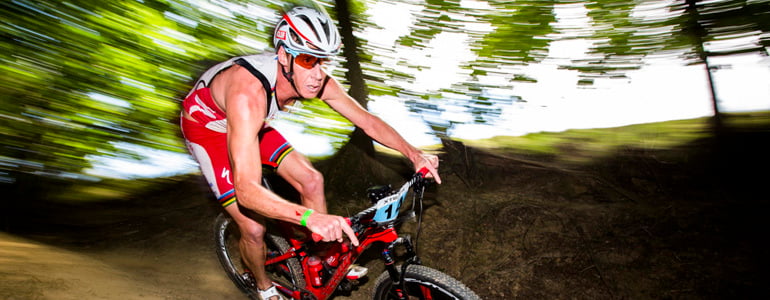

Caveman's awesome fatbike adventures
Seven-time world triathlon champion Conrad Stoltz, aka Caveman, says having a lot of hobbies has helped him stay mentally fresh as an athlete.
One of those hobbies is riding his Fatboy fatbike to hard-to-get-to places. A fatbike is a bicycle with over-sized tires designed for riding on soft, unstable terrain, such as snow and sand. Conrad's fatbike is a Specialized Fatboy Pro with 4.6inch (12cm) wide tyres, at super low pressure so he can ride just about wherever he likes!
Conrad tearing up dust on his fatbike. © Conrad Stoltz“A fatbike is so amazingly capable, you don't need a road or a path to ride,” Conrad says. “As long as there’s not too much vegetation, you can ride almost anywhere.
"Whether it's rocks or sand or gravel or whatever it is, you can just ride. “I love it because it satisfies my sense of adventure and being the Caveman wanting to see what's around the next corner and wanting to see if I can ride over big rocks, domes and dunes and find really cool places.”
Conrad likes his fatbike so much that he sometimes struggles to make himself train on his standard mountain bike “Once I'm less focused on training for performance and more just making it a lifestyle, I will definitely be doing more fatbiking,” he says.
Check out Conrad’s video of a fatbike adventure he did while attending a sporting festival on South Africa’s south coast.
Main image: ©lighttrapper.co.uk

Recover like a pro
What is the best way to recover after a race, adventure or just a hard effort on your own? We asked our ambassadors how they do it. From eating pancakes to paragliding, from secret smoothie recipes to stretching, their answers will help you get back on form more quickly.
KILIAN JORNET Stay fresh by doing other sports I like to do some mountaineering activities to feel different feelings than just running. I ran less than 200 km in the build up to Hardrock because I was climbing instead. I was keeping myself fit through mountaineering so when I came to the race I was mentally fresh and physically prepared.
Kilian stretches ©jordo canamerasAvoid over-trainingIf you focus too hard on one thing for too long you can get tired of it. You see people who are doing a lot of long races and who keep this up for one or two years and then, boom, they’re down and injured. It’s important to never do too many long races every year because after one, two or three years it can be really hard to recover. For me, 200 or 300 miles a year is the limit.
Kilian Jornet is a multiple record breaking trail runner, endurance athlete and world champion ski mountaineer.
EMELIE FORSBERG Rest! Normally I rest the day after or if it is an ultra at least. If I do a 2-4 hour race I normally go for a small run just to get the circulation going. I also like to treat myself after a race, like foot bath, compex [electrostimulation] take time for yoga, things that are easy and good for the body. Then my mind feels recovered and is soon ready for another hard training week or racing. I think the mind is very important for recovering.
Emelie likes to practise yoga and eat pancakes. ©Emelie Forsberg
Eat pancakesAfter an ultra, where you empty your body quite a lot and also eat chocolate or gels, I like to eat fresh and healthy, at least the first and second day. But pancakes is a standard the morning after, and yes I think pancakes can be pretty healthy..! Specially if I make banana pancakes :)
Emelie Forsberg is a European and world Skyrunning champion
CONRAD STOLTZ
Forget ice baths I don’t go in for compression or ice baths. I used to jump in a cold rivers after training but I'm over it! Compression socks don’t fit well and science hasn’t really proven that ice baths work.
Old school fan: Conrad Stoltz doesn't go in for ice baths or compression. ©zooom.at/markus berger
Refuel properlyBut there are things that are proven to make a difference, fueling and rehydrating properly. Within the first half an hour of training you need to have so many grams of carbs and so much protein to start the recovery. [Advice varies but many sports nutritionists recommend following the for 3:1 carbs to protein ratio.]
Conrad Stoltz is a four-time XTERRA World Champion triathlete
ÅSA LUNDSTRÖM
Easy rideGo on a very easy bike ride. It helps the circulation going and speeds up the recovery. If the weather is bad or biking is too much trouble (mentally), I sometimes go for an easy walk or stroll.
© Åsa LundströmMassage In big blocks of training, a massage every now and then is very good for recovery, muscle relaxation and preventing injury. It can also be considered a treat for your body after some hard work and helping you relax. I get the massage after a big day of training, as the thing of the day.
UELI STECK
ElectrostimulationI use compex electrostimulstion and try to stretch a lot. Rest days are also good. I just had a rest day so I ran easy the vertical km up to Brevant in Chamonix. I had a drink with a friend then went paragliding.
Ueli Steck during his mission to climb all 82, 4000 m mountains. ©PatitucciPhotoWarm down after exercise I move between 7 and 14 h per day. You start easy the first 30 min and you end the same way. So you have your warm-up and cool down. If possible I try to get my feet in a cold stream.
MATTHIAS SCHERER
Respect your body I really have to say that in the adventure world at the moment recovery and nutrition is not taken seriously. People are strange about hydration. They wear a Suunto Ambit, have the best equipment and then they drink snow water and don’t take things like this seriously! Take electrolyte capsules with minerals to rehydrate properly.
Matthias front lifting weights. ©Tanja SchmittAvoid processed foodsTry to go as long as you can on normal food and then you can start to eat energy bars etc. People push the limits of eating concentrated food which can cause stomach problems. Eat a peanut butter sandwich.
Bring it down slowlyFor recovery it’s important not to stop right away after an ice climbing season. I used to become ill in April when I stopped. Now I continue with skiing and in June and July I keep going to the mountains. I've found cycling helps me to mentally digest everything I've done over the winter. In a week I try to do at least 20 hours on the bike. I work on my films. That's my way of recovery.
Matthias Scherer is a professional ice climber
GREG HILL
Smooth operatorAs a ritual I always have a smoothie after my sporting activities. As quick as I can I am at my blender mixing in my ingredients. Bananas, blueberries, protein mix, raw cacao, milk. That is the base for the majority of my shakes, each food is strong in its own way, combining for a strength building, body recovery, tasty beverage.
Greg making a smoothie at home ©zooom.at/Markus Berger Cross TrainingAnother bit about an ageing body is balance. If over the course of your life you have created imbalances, they become more problematic in later years. To counter act I have been going to the gym to create an overall body fitness not just one designed for peddling a bike or skinning up mountains. Back problems, IT-band issues, all come from unbalance, so cross training is key.
Take some time outAlso to truly have days off. Not partial days off. But couch surfing, suntanning, doing nothing days. You can get away with just one but at least every two weeks to take 2-3 days completely off. This truly helps my body as well as my mind. I come back and feel so much better than if I had pushed through on that extra day of exercise.
Greg Hill is a pro skier. In March 2014 he skied 100,000m in a month
WILLIAM TRUBRIDGE Sleep and eat right “Recovery is as equally important as training. In freediving when you hold your breath it generates a huge amount of carbon dioxide which makes your body very acidic and means all those free radicals cruising around doing damage. Being able to target that with diet that's very rich in antioxidants and making sure you're sleeping right is important.” Drink this:
Will Trubridge's recovery smoothie
My go-to recovery drink after deep training is a green smoothie, with the following ingredients: 1 frozen banana (makes the smoothie cold and creamy) 1 cup almond milk + water added to get the right consistency 2 tbsp Manitoba hemp protein (the best vegetal protein source) 1 tbsp cacao powder (great antioxidant qualities) 1 tbsp Hawaiian spirulina (nature's multivitamin, with many other superfood ingredients like chlorophyll, omega 3,6,9 fatty acids and more) 1 tsp beetroot extract powder (great for blood-building)Everything is blended together, and topped with a dusting of granulated bee pollen.
Will Trubridge is a multiple record breaking freediver
Still need tips on how to recover? Well go explore the recovery options available with the Ambit3


Norsemanとは?ノルウェーを横断する世界屈指の過酷なトライアスロン
冷たいフィヨルドへフェリーから飛び込み、ノルウェーの高原を自転車で越え、最後はガウスタ山を目指して走る——Norseman(ノースマン)は、一般的なロングディスタンス・トライアスロンとは異なる物語を持つ大会です。
2003年に始まったNorseman Xtreme Triathlonは、現在ではエクストリーム・トライアスロンの世界選手権であるXTRI World Championshipにも位置づけられています。この記事では、コース、ブラックTシャツ、サポートクルー、出場方法など、初めてNorsemanを知る人が押さえておきたいポイントを紹介します。
目次
Norsemanとは
フィヨルドから山頂へ向かうコース
ブラックTシャツとホワイトTシャツ
サポートクルーと挑む理由
抽選と出場方法
極限レースに向けた準備
Suuntoで3種目と山岳コースを記録する
まとめ
Norsemanとは
Norseman Xtreme Triathlonは、ノルウェー南部のEidfjord(エイドフィヨルド)を出発し、Gausta(ガウスタ)へ向かうロングディスタンスのエクストリーム・トライアスロンです。スイム3.8km、バイク180km、ラン42kmで構成され、参加枠は約250人に限られています。
最大の特徴は、距離だけでなく、冷水、高低差、変わりやすい山岳気象、限られた外部サポートに対応しながら進むことです。華やかな都市型レースとは異なり、選手とサポートクルーが一つのチームとしてノルウェーの大自然を横断します。
第1回は2003年に開催され、その後、同じ精神を受け継ぐ大会が各国へ広がりました。Norsemanは現在、XTRI World Tourを象徴する大会であり、XTRI World Championshipとしても開催されています。最新の日程や大会区分は、Norseman公式サイトで確認してください。
フィヨルドから山頂へ向かうコース
Norsemanのコースは、海面に近いフィヨルドから高原を越え、最後に山へ向かう一本の旅として設計されています。公式掲載値は次のとおりです。
種目
距離・標高
主な特徴
スイム
3.8km
フェリーからHardangerfjordへ入り、Eidfjordの岸を目指す
バイク
180km/獲得標高2,762m
高原と複数の長い登りを越える
ラン
42km/獲得標高1,800m
Tinnsjø湖畔を進み、後半はRjukanからGaustatoppen方面へ登る
3.8kmのスイム:Hardangerfjordの冷水へ
選手は夜明け前にフェリーへ乗り、スタート地点でフィヨルドへ入ります。水温や天候は年によって異なり、冷水への適応、ウェットスーツの選択、落ち着いた呼吸が重要です。視界の暗い時間帯から泳ぎ始めることも、この大会特有の緊張感につながります。
180kmのバイク:高原と長い登り
バイクは雄大な景色の中を進みますが、獲得標高は2,762m。序盤から力を使い切らず、風、雨、気温変化を見越して強度を管理する必要があります。補給や防寒装備の受け渡しでは、サポートクルーとの連携も欠かせません。
42kmのラン:最後はGaustatoppenへ
ラン前半はTinnsjø湖沿いを進み、後半はRjukanから山岳区間へ入ります。約25km地点から始まる登りは「Zombie Hill」と呼ばれ、長い一日の終盤で脚力と精神力の両方が試されます。山頂側のコースが使えるかどうかは、順位だけでなく当日の気象と安全判断にも左右されます。
ブラックTシャツとホワイトTシャツ
Norsemanを象徴する文化が、フィニッシャーに贈られるブラックTシャツとホワイトTシャツです。ラン37km地点のStavsroへ先着した160人は、天候などの条件が許せばGaustatoppen側の山頂フィニッシュへ進み、ブラックTシャツを受け取ります。
160人以降の選手は、同じ42kmの距離を完走する下部コースへ進み、ホワイトTシャツを受け取ります。色は異なっても、冷水、180kmのバイク、山岳マラソンを完遂した事実は変わりません。安全確保のため、主催者が山頂ルートを変更・閉鎖する場合もあります。
この仕組みは単純な順位争いではなく、「自然条件を受け入れ、自分の一日を最後までやり抜く」というNorsemanの価値観を表しています。
サポートクルーと挑む理由
Norsemanでは、選手自身がサポートクルーを用意します。一般的な大規模大会のようにコース全体へ十分なエイドが並ぶ形式ではないため、補給、ウェア、機材、移動、安全確認をチームで計画する必要があります。山岳区間では、クルーが選手と一緒に進む場面もあります。
クルーの役割は物を渡すだけではありません。選手の表情や判断力を観察し、冷え、脱水、補給不足、ペースの乱れに気づくことも重要です。選手は自分の完走計画だけでなく、クルーの移動経路、待機場所、通信方法まで事前に共有しておく必要があります。
そのためNorsemanのフィニッシュは、個人の結果でありながらチームの成果でもあります。公式レースマニュアルは選手だけでなく、サポートクルーも必ず読み、最新版の規則と安全要件を確認してください。
抽選と出場方法
参加枠が約250人に限られるNorsemanは、基本的に抽選を通じて出場者が決まります。応募者は世界中から集まり、希望してもすぐ出場できる大会ではありません。また、XTRI World Tourの仕組みでは、対象大会の完走などによってX-Pointsを獲得し、出場機会へつながる制度もあります。
ただし、抽選期間、応募条件、選考区分、X-Pointsの扱いはシーズンごとに変更される可能性があります。応募前に公式FAQと最新レースマニュアルを確認してください。出場権を得た後も、保険、装備、クルー、移動、宿泊を含む準備が必要です。
極限レースに向けた準備
Norsemanへの準備では、3種目の距離をこなすだけでなく、冷水と登り、長時間の運動、急な天候変化を組み合わせて考える必要があります。
冷水への適応:安全な環境と監視体制のもとで、冷水時の呼吸やウェットスーツに慣れる
登坂持久力:長い登りを一定強度で進み、下りでも余計な疲労を増やさない技術を磨く
ペース管理:序盤の高揚感で上げすぎず、心拍やパワー、主観的運動強度を使って余力を残す
補給の実地確認:長時間でも摂取できる量と種類を練習で試す
装備の切り替え:雨、防風、低温、山岳区間を想定し、クルーと受け渡し手順を決める
疲労と回復:負荷を増やす時期と回復する時期を分け、睡眠や体調の変化を見逃さない
極限環境の反応を研究したNorsemanで人間の生理機能を検証した記事も、長時間レースで身体に起きる変化を考える参考になります。
冷水や山岳環境には重大なリスクがあります。経験のあるコーチや医療専門家へ相談し、単独で危険な環境を再現しないでください。レース当日は、個人の計画より主催者の指示と安全判断を優先します。
Suuntoで3種目と山岳コースを記録する
Norsemanのような長時間のトライアスロンでは、スイム、バイク、ランを一つの記録として残せるマルチスポーツ機能が役立ちます。日々の準備では、心拍ゾーンやトレーニング負荷、回復傾向を確認し、頑張る日と休む日のバランスを整えられます。
Suunto Race 2は115種類以上のスポーツモード、オフラインマップ、ナビゲーション、最高精度GPSで最大55時間のバッテリー駆動に対応しています。レース前には実際に使う設定でバッテリー消費を確認し、ルートやデータ画面、アラートを早めに準備しておきましょう。
ウォッチやナビゲーションは安全装備の代わりではありません。大会指定の装備、クルーとの連絡手段、主催者のコース表示を優先し、電子機器の故障や電池切れも想定してください。
まとめ
Norsemanは、3.8kmのスイム、180kmのバイク、42kmのランという距離以上に、フィヨルドから山へ移動する環境、サポートクルーとの協力、自然条件を受け入れる姿勢が問われる大会です。ブラックTシャツだけを目標にするのではなく、自分とチームが安全に力を出し切る一日として理解することが、挑戦への第一歩になります。
長期的な準備を可視化し、3種目のトレーニングから山岳コースのナビゲーションまで一貫して支えるスポーツウォッチは、目標へ向かう過程を整える助けになります。自分の競技スタイルや必要なバッテリー、サイズ、地図機能を比較して選びましょう。
トライアスロンと長時間レースを支えるSuunto
マルチスポーツ、トレーニング、ナビゲーションに対応するモデルを比較できます。
Suuntoスポーツウォッチを見る


