





SUUNTOブログ

Luka Lindi? takes on Gasherbrum IV
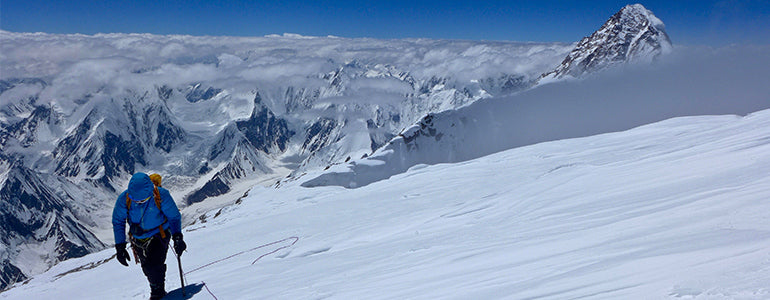
Mountaineer Luka Lindič has been climbing one of the toughest peaks on the planet – Gasherbrum IV in Pakistan.
Climbing Gasherbrum IV © Luka Lindic
He and Aleš Česen made it to the North Summit, around 20metres below the 7932-meter-high main summit, after battling fierce weather that made reaching the summit impossible. Of course the guys are pleased with how far they reached on this treacherous route, in difficult conditions.
They originally planned to take a new route, via the North West face but that was completely impossible in bad weather. Before tackling the G4 they scaled Broad Peak, making them the only team to successfully summit that mountain this season.
This climb was used to acclimatise, and got the guys in the right frame of mind mentally for the big route, Luka says: “Some people might think using a climb like Broad Peak to acclimatise might take away a lot of fitness, but I think if you plan to climb a route like we did on G4 then it shouldn’t be a problem. If it makes you tired, then you are not prepared enough! It took away a bit for sure, but we benefited lots more than we lost. A climb like that is also important from a mental point of view, as a final check.”
Luka Lindič and Aleš Česen © Luka Lindic
The weather in the area meant the Alpine style of climbing the pair used gave them an advantage over other teams climbing differently. Luka says: “The other teams were climbing in a classically Himalayan style and spent lots of time and energy preparing. Now, it seems this is how it will be in Pakistan. The weather is not stable and you get a window of maybe two days. If you climb Alpine style like we did you are flexible and it’s easier to get up and go when there is a good weather window. With Himalayan climbing that’s a lot more difficult to try. That was our advantage this time.”
Feeling strong after Broad Peak they started on G4, dubious they’d make it far in bad conditions. However, they managed to climb through the weather and pushed on until they made the North Summit.
The guys tried to wait for bad weather to pass © Ales Cesen
Luka says: “It was pretty bitter sweet. On one side you know you will not climb G4 but you know inside you did the maximum you could. It was a cool experience after struggling all day to reach the North summit we had sun for a few minutes, we could even see the summit for a few minutes. We had pushed hard already and decided the summit wasn’t possible, but were happy with what we did.”
The guys had to rappel back down to avoid being swept away by avalanches. Now back from the trip he can contemplate the attempt, and he knows he’ll go back. He’s got some technical climbing planned in the meantime, he says: “I will go climbing in China for one month in September then my plan Is to spend some longer time in the Alps. I’ve been on expeditions this year so I feel like I have missed some technical training in the Alps and I want to get back to the level of climbing I want to be at, as doing expeditions you lose a bit of that.”
Main image ©Luka Lindic

This is how Kilian Jornet prepares for Everest
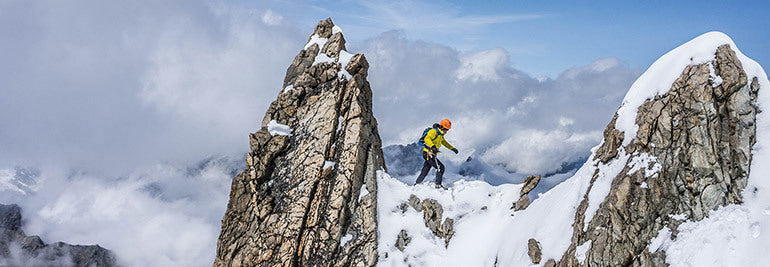
This summer Kilian Jornet takes on the challenge of climbing Mount Everest, the final peak in his Summits of My Life project. Kilian will try to establish a record for the ascent and descent by a little-used route on the north face of the world’s highest mountain. To be ready for the challenge, he has spent a lot of time high in the Alps. Here are two of his training days on the Mont Blanc massif.
Physical training in the Alps: 6500 meters of climbing. (10.7.)
Kilian Jornet is taking on Everest with the purist and minimalist philosophy that is the trademark of the Alpine style. This means that, as with other challenges in the Summits of My Life project, he intends to complete the ascent in one go, without stopping at high-altitude camps. This is different from the classical Alpine approach but he has also acclimatizing himself in a different way. Kilian Jornet and his team intend to spend the last few weeks before they go to the Himalayas at a high altitude in the Alps.
Kilian’s training day high up on Mont Blanc Massif with over 3500 meters of climbing. (25.7.)
"It’s a new approach to acclimatization. Before we set off for the Himalayas we will have partly acclimatized having spent some days at altitude. This means we won’t have to wait so long to start when we arrive at the Everest base camp,” explains Jordi Tosas, Kilian’s teammate on Everest.
"This means we’ll be stronger when we begin the ascent. It can make you weaker if you spend several days acclimatizing yourself on the mountain. With this type of acclimatization we can begin the challenge with more energy and a better chance of success,” Kilian adds.
Main image: © Lymbus
Create Suunto Movies of your adventures with Suunto App.

Finding the flow in the mountains
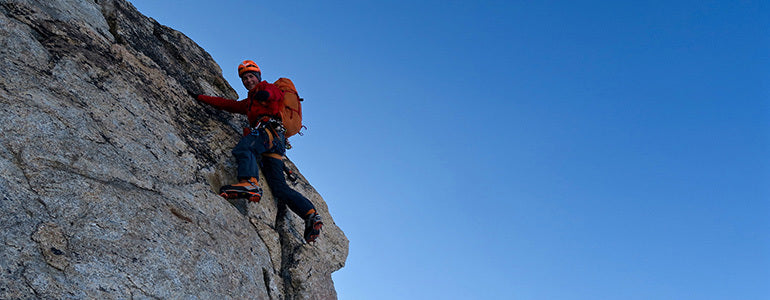
Top alpine climber Luka Lindič says learning to move fast and fluidly in the mountains has been the foundation of his success. © Aleš ČesenSlovenian climber Luka Lindič, 27, sees becoming a skilled alpinist as similar to building a house. With a strong foundation, the rest is possible. Without it, you’ll eventually run into difficulties. “It's really important to spend a lot of time in the mountains moving in all kinds of terrain, learning to be comfortable, because only then can you climb harder routes,” Luka says. “For me, building a foundation has been about climbing many, many relatively easy classic routes in the Slovenian mountains. “Many times I’ve realised I can do hard climbs, but if I don’t move a lot in easy terrain for a while then I lose this feeling of moving fluidly. You get stiff. You become slow. You don't have the flow to just move. I think it's really important to keep that.”
© Aleš ČesenHis approach of building the basics has clearly paid off. In 2015, he became one of the youngest people to win the prestigious Piolet d’Or Award, considered the “Oscars of alpinism”. Luka, and his two climbing partners Marko Prezelj and Aleš Česen won the award for their ascent of the north face of Hagshu (6515 m) in India.
Always coming back to relatively easy routes also reminds Luka why he fell in love with climbing in the first place. “I can’t deny that when I have a really ambitious project that’s on my limit it’s also stressful. If I would do only this, I would forget the feelings that originally brought me into climbing – the simple joy of being in the mountains.”
© Aleš ČesenLuka’s love of the mountains began as a child. Hiking is one of the biggest sports in Slovenia and his hiker parents took Luka whenever they went. He remembers walking past rock faces and looking up in wonder at the climbers scaling them.
It's really important to spend a lot of time in the mountains moving in all kinds of terrain, learning to be comfortable, because only then can you climb harder routes.
His curiosity grew and at 14 he joined his local climbing club and was fortunate to be mentored by some of Slovenia’s most experienced alpinists, particularly Marko Prezelj. They not only taught him the skills, but also brought him into the strong Slovenian climbing tradition.“We live in such a small place, a small community, and we meet day-to-day in crags because the distances are so small. That's one of the reasons we have so many good alpinists here. I’m very lucky.”
© Aleš ČesenOne of his toughest climbs was what was dubbed the “alpine ascent of the season” in 2014; the first free ascent of Rolling Stones on the north face of the Grandes Jorrasses, Mont Blanc massif. “Some people said it's wasn’t possible to do it in the style we did,” he says “But it was just a question of self-confidence.” This summer he is going to Pakistan and has climbing permits for Broad Peak (8051 m) and Gasherbrunn IV (7925 m). However, he wants to keep his plans open. “The reason is I want to be more free and not fix too much before I go,” he explains. “Many times when you are in big mountains you need to change your plans because of different factors. It's really important you feel free to do so, to play, to follow some crazy ideas, to think out of the box, and not be too fixed.”
Luka's climbing achievements:
Bhagirathi IV (Garhwal Himalaya, India) 6200 m, September 2009. Bhagirathi III (Garhwal Himalaya, India) 6546 m, September 2009. Bhagirathi II (Garhwal Himalaya, India) 6612 m, September 2009. Hagshu north face (Zanskar, Himalaya, India) 6657 m, September 2014.
Main image: © Aleš Česen

アフリカ最高峰キリマンジャロへ|ロンガイルートを歩く登山記
アフリカ大陸最高峰、標高5,895mのキリマンジャロ。山頂の雪と雄大な火山景観で知られていますが、この山の魅力は頂上だけではありません。数日間の登山で、熱帯雨林からヒース帯、高山砂漠、氷雪の世界へと景色が移り変わっていきます。
2016年、冒険家のマット・ミッチェルたちは、タンザニアとケニアの国境に近い山の北側からロンガイルートを歩きました。登山者の少ない静かな道をたどり、標高4,700mのキボハットから深夜の山頂アタックへ。この記事では、当時の記録をもとに、その旅を振り返ります。
目次
キリマンジャロとは?
静かなロンガイルートを選ぶ
熱帯雨林から高山砂漠へ
キボ、マウェンジ、シラの3つの火山
標高4,700mから始まる山頂アタック
ルートと高度を記録する
まとめ:頂上までの変化を味わう山旅
キリマンジャロとは?
タンザニア北東部にそびえるキリマンジャロは、標高5,895mのアフリカ最高峰です。独立峰として大きく裾野を広げ、山麓の森林から標高の高い荒涼とした大地、山頂付近の氷河まで、いくつもの自然環境を一度の登山で通過します。
専門的な岩登りを必要としないルートもありますが、「歩いて登れる」ことは「簡単に登れる」ことを意味しません。標高が上がるほど空気は薄くなり、低温、強い日差し、長時間行動にも対応する必要があります。十分な日程で高度順応を行い、認定された現地ガイドの指示と体調を優先することが欠かせません。
静かなロンガイルートを選ぶ
キリマンジャロには複数の登山ルートがあり、歩く道によって景観や山との向き合い方が変わります。マットたちが選んだロンガイルートは、ケニア国境に近い北側から登るルートです。当時、ほかの主要ルートより登山者が少なく、より静かな自然を求めた一行に合っていました。
公園のメインゲートから村々を抜け、車で約2時間かけて登山口へ。旅は野趣の残る熱帯雨林から始まりました。緑に包まれた場所に立つと、数日後に凍える寒さと強烈な日差しが同居する高所へ達するとは、まだ想像しにくかったといいます。
熱帯雨林から高山砂漠へ
森林帯とヒース帯では、濃い霧が道を包みました。溶岩流がつくった深い裂け目や、かつて人が身を寄せた大きな岩陰が、植物の間から姿を見せます。登山者の多い山という先入観に反し、一行だけで歩く時間も長く、山を独占しているような静けさがありました。
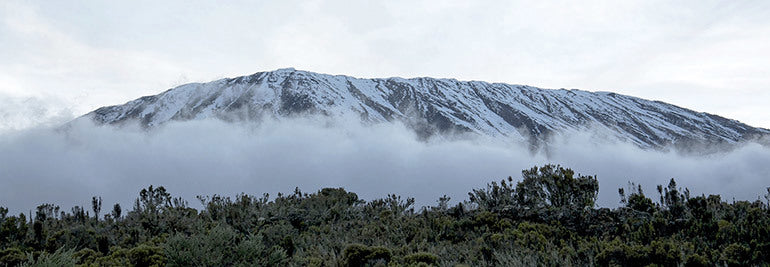
標高3,500mを超えるころ、霧は晴れ、ロンガイルートからはキボを望む機会が増えていきます。雲の上では夜の冷え込みが強まり、空気の薄さもはっきり感じられるようになりました。森の湿った空気は遠ざかり、周囲は日差しを遮るものの少ない高山砂漠へと変わります。
キボ、マウェンジ、シラの3つの火山
キリマンジャロは、ひとつの円錐形の山だけで構成されているわけではありません。キボ、マウェンジ、シラという3つの火山体からなり、最高地点のウフルピークはキボにあります。
高山砂漠を横切ると、端正な稜線を描くキボとは対照的に、鋭く複雑な姿のマウェンジが現れます。その最高地点は標高5,149mのハンス・マイヤー・ピーク。キボとの間には「サドル」と呼ばれる広い鞍部が延びています。ロンガイルートの旅では、山頂を目指すだけでなく、この火山群の大きさを身体で感じられます。
標高4,700mから始まる山頂アタック
登山4日目の午後、一行は標高約4,700mのキボハットへ到着しました。眼下にはすでに雲の広がる世界。短く休んだあと、日付が変わるころに雪の中を出発し、ヘッドランプの明かりを頼りに山頂を目指します。
暗闇のなか、急な砂礫の斜面をジグザグに約5時間。標高が上がるほど呼吸は難しくなり、単純な判断や認識さえ普段どおりにはいかなくなります。そしてギルマンズ・ポイントにたどり着くと、キボの氷河、切り立った崖、広大な火口の景観が姿を現しました。
高所登山の安全について:頭痛、吐き気、ふらつき、意識の変化などは高山病の兆候である可能性があります。症状を我慢して登り続けず、必ず現地ガイドへ伝え、その指示に従ってください。ウォッチの高度表示や体調データは判断材料のひとつであり、医学的な診断や安全を保証するものではありません。
ルートと高度を記録する
一行はタンザニアへ出発する前に、当時使用していたSuunto Traverseへルートを転送していました。キャンプ地や見どころをPOI(ポイント・オブ・インタレスト)として確認し、日々の高度と獲得標高を記録するためです。これは2016年当時の機材と使い方ですが、事前にルートを準備し、行動中の現在地や高度を確認し、あとから旅を振り返るという考え方は現在にも通じます。
現在のSuunto Vertical 2では、オフラインマップやルートナビゲーションを活用できます。長い山行ほど、出発前に必要な地域の地図とルートを準備し、ウォッチの充電状態も確認しておくことが大切です。詳しい準備手順は、Suunto Verticalシリーズでオフラインマップを使う方法をご覧ください。
ただし、GPSウォッチは現地ガイド、紙地図、コンパス、気象情報に代わるものではありません。高所では寒さや疲労で機器の操作も難しくなるため、複数の手段を組み合わせることが重要です。
まとめ:頂上までの変化を味わう山旅
キリマンジャロのロンガイルートで印象に残るのは、山頂の達成感だけではありません。霧の熱帯雨林、雲上の静かな夜、高山砂漠に現れるマウェンジ、雪の暗闇を進んだ先の朝日。標高を上げるたび、まるで別の山へ移ったかのように世界が変わります。
夜明けの光が雲と大地を染めると、一行にはアフリカ全体を見渡しているように感じられました。ルートや高度を記録できるアウトドアウォッチは、こうした長い旅の準備と振り返りを支えてくれます。現地の安全管理を最優先にしながら、自分が歩いた道と変化する景色を残してみてください。
登山・ハイキング向けSuuntoウォッチを見る
ルートナビゲーション、高度計、気圧計、コンパスを備えたモデルを比較できます。
登山・ハイキング用ウォッチを見る

Meet the first guy scaling all the 7 summits – from sea level
High school teacher Dave Williams is attempting to become the first person to scale the highest summits of the seven continents by starting at sea level and running to each mountain.
Dave on his hike from the Black Sea to Mt Elbrus in Russia. © www.sea2summit7.comWhen Dave Williams isn’t teaching at a high school in Auckland, New Zealand, he’s doing one of two things: running or eating. “I run a half marathon in morning and a half marathon in the evening, which has made the necessary training feasible while working full time,” Dave says. “Keeping the weight on has been hard even though I eat eight meals a day.”
On the summit of Kilamanjaro. © www.sea2summit7.comDave has completed sea to summits on the highest mountains of four continents – Aconcagua, Kilimanjaro, Elbrus and Kosciuszko – and is about to set off to Alaska for a five-week expedition to make his attempt on Denali – the highest mountain in North America. Starting on April 19, he will run 350 km from Anchorage to the road end. “It will take five marathons to run to the road end, then a three day trek to the base of the glacier, then a nine day trek up the glacier to the base camp, then another two weeks to the summit,” he says. “One of the biggest challenges I've faced during preparation is to build the required fat and muscle stores while simultaneously increasing my fitness and running over 100 km per week. I predict I will lose up to 10 kg during the five weeks of adventuring.”
On the way to the summit of Aconcagua. © www.sea2summit7.comLater this year he will be heading to Antarctica to make a sea to summit attempt on Mt Vinson. He’s saving the best to last, however. In 2018 he will begin running from Kolkata, India, doing 32 marathons in 30 days, to Everest base camp and then climb the highest mountain in the world. “I enjoy climbing more than the running,” he says. “Running is more repetitive. “When I start running I know I’ve got the best to look forward to. The finale is the climb.” The 30-year-old outdoor education teacher began his Sea2Summit7 project in 2013 after two friends committed suicide due to long battles with depression. The loss got him thinking about depression and what he could do to help. “I had an epiphany while doing a sea to summit adventure in New Zealand,” Dave says. “I thought I could do same thing on the 7 Summits and raise money for the Mental Health Foundation.”
Success at last! © www.sea2summit7.comHe’s raised $5,400USD so far and, incredibly, has paid for most of the project out of his own pocket, investing $50,000NZD ($34,000USD) until now. The first mountain of the project, Aconcagua, was the most difficult. He failed twice. On the first attempt in July 2014, a storm hit on his summit attempt and climbers he had met earlier died on the mountain. On the second attempt his body gave out on the climb and he had to call it off. Finally, in January 2016, everything came together and he summited Aconcagua. “The thing that always keeps me going is receiving personal messages from people who have been following the project and who say I’ve inspired them to get off the couch,” he says. Dave hopes he has to run to Denali only the once. “Sea2Summit7 is all about never giving up and calling on friends to help when you are feeling fragile," Dave says. “This time I have an awesome expedition team of five who will be fulfilling specific roles along this journey so it is feasible and safe.”


