

Nomads Pierre Bouchard and Janick Lemieux have cycled all over the world, covering an equivalent distance of four loops of the planet. In this second instalment of our three part series*, we asked them about daily life on the road. 
© nomadesxnomades.com
Cycling from Quebec to Miami in the summer of '89 was Canadian Pierre Bouchard’s first long distance tour. He calls the 4000 km journey his “L’initiation” into bicycle touring.
“I came back hooked and convinced that the bicycle is the ultimate conveyance for overland journeys,” he says. “The reasons are many: the autonomy and freedom it provides, the fact it’s an environmentally sound means of transportation, it keeps one very fit, and provides a very intimate connection with our surroundings, whether landscapes, flora, fauna or humans!”
Since his “L’initation”, Pierre and his partner Janick have cycled through more than 60 countries in the Americas, Europe, Asia and Oceania and Africa. They have mastered of the art of continental bicycle touring. We asked them about their daily life on the road.
Click for the first part of the series!

How has bicycle touring changed since ’89?
There’s been many changes, especially the improvement of the equipment to travel on bikes. From outdoor and camping innovations to bikes specifically designed and crafted to haul all the necessities to roam continents. Lately, with the advent of fatbikes, a whole realm of wild and remote terrain has become accessible. 
© nomadesxnomades.com
What does an average day on the road look like for you?
Unless we're in hot deserts, we're slow risers. I usually get up first and ignite the stove to prepare hot drinks and porridge. We then start to pack up, a process that takes a couple of hours before we then hit the road. Depending on conditions and how scenic the landscape is, we cover anywhere between 40 to 120 km a day, averaging about 80 km. On expedition, taking the time to hike-trek-climb, write and immerse ourselves, we cruise about 1,000 km per month.

© nomadesxnomades.com
How much do your bikes and gear weigh?
Janick carries about 25 to 30 kg and I carry between 40 and 45 kg. It fluctuates with the amount of water and goods we need to carry. We're no minimalists. As this is a form of nomadism, our way of life, we'd rather make ourselves comfortable and ready to face any eventuality.

© nomadesxnomades.com
How do you navigate and keep track of your daily efforts?
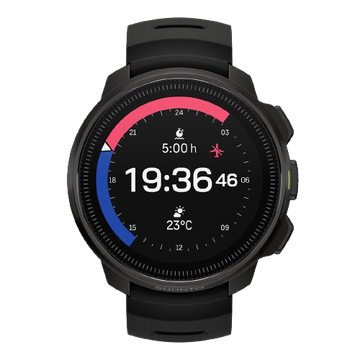
On the road, our Suunto Ambit 3 Peaks play the role of dashboards and control panels. They record our daily pedal strokes and tons of useful data like altitude profiles, ambient temperature. For sketchy passages, like crossing into Ethiopia from Kenya via the Lower Omo River Valley and Turkana Lake over shifting desert tracks, we used our Ambits to navigate, having loaded them with the .gpx route a fellow bike traveller previously recorded and passed along over e-mail. With the impressive battery life, along with our Goal Zero solar power charger, we managed to keep them going for the last 600 days spent on the road, from the onset of our NOMADS² cycling odyssey.

© nomadesxnomades.com
Have you ever had a problem with your bicycles in the middle nowhere?
Of course! We always carry all the tools needed to open and adjust each of the components and carry crucial spare parts: tires, tubes, spokes, cables, drive train parts (chain, cassette and chain rings), brake pads. Breaking a rim is the only mechanical breakdown that can bring our caravan to a halt; we either have to walk or wait for assistance in order to move on!

© nomadesxnomades.com
Is finding food and water sometimes difficult?
Yes indeed! Thinking of our panniers as pantries, we always store and carry extra food. We spend a lot of time and effort getting info about the stretches of road ahead, especially with regards to availability of food and water. If we can collect water along the way we can usually last about seven to eight days without resupplying. If we need to carry our water, up to 30 litres between the two of us, we can last out there some three to four days – unless we’re in Sudan during July and both need to drink 10-12 litres a day!

© nomadesxnomades.com
Any advice for someone doing his or her first bicycle tour?
Make sure your bike is well adjusted to your body (seat, handlebars and seat post). Prioritize simplicity, sturdiness and durability. Don't hesitate to invest in high-quality carrier racks, generally made out of steel (chromoly). And most importantly, planning is great but set a departure date and ready or not, go – it'll all work out! Trust the road!
*Stay tuned for our third instalment about the Nomads, and find out which countries in the world are the most cycling-friendly!