




You’ve just finished a long run. You’re tired, thirsty, and hungry, and your legs feel heavier than usual. If another run is on the schedule tomorrow, the questions start: How much rest do you need? What helps you recover? And how do you know when you’re ready to run again?
Running recovery after a long run goes beyond waiting for soreness to fade. It means rehydrating, refueling, making time for rest and sleep, and adjusting your next run based on how you feel.
Here’s how to support your recovery after a long run and decide when you’re ready to go again.

Understanding Recovery After a Long Run
Recovery after a long run is the process of your body bouncing back from the demands of training, restoring its ability to exercise, and preparing for the next workout. It involves several processes, and they run on different timelines.
What Does Your Body Need to Recover After a Long Run?
After a long run, your body has to recover on several fronts:
- Glycogen stores: Glycogen is stored energy in your muscles and liver, and a key fuel for running. A long run draws these stores down. Eating carbohydrates helps replenish them, fueling both daily activity and your next workout.
- Fluids and electrolytes: When you sweat, you lose water along with electrolytes such as sodium. Replacing both helps restore fluid balance and supports normal body function.
- Muscle recovery: Running puts repeated stress on your muscles and can cause some muscle damage. Your muscles need time to restore full function, and getting enough protein supports muscle repair and adaptation to training.
These recovery processes run on different timelines. Leg soreness may ease before the rest of your recovery is complete, so soreness alone can’t tell you whether your body has fully recovered.
Why Is Recovery Important for Your Next Run?
How well you recover shapes how you feel and how well your next run goes. Cut recovery short and you may start your next workout with depleted energy stores, reduced muscle function, and lingering fatigue.
- Energy availability may be limited. If your glycogen stores haven’t been fully replenished, you’ll have less fuel for exercise, especially in a longer or harder workout.
- Performance may suffer. If your muscles haven’t fully recovered, holding your usual pace or moving efficiently gets harder, and the same workout can feel tougher than normal.
- Fatigue may be more noticeable. Lingering physical or mental fatigue can make a workout feel more demanding, make it harder to focus, or stop you from completing the session as planned.

How to Recover After a Long Run
After a long run, focus on four areas of recovery: rehydrating, refueling, balancing rest and activity for the rest of the day, and getting enough sleep that night. The right approach depends on how demanding the run was, how soon you train again, and your individual needs, so your routine can flex from one long run to the next.
How to Rehydrate After a Long Run
Drink to thirst after your run, then keep rehydrating with meals and through the rest of the day. You can spread your intake over the day rather than drinking a large amount all at once.
Replace sodium when you sweat heavily. On hot days, on longer runs, or if you’re a heavy sweater, you can replace sodium through meals or electrolyte drinks. Sodium needs vary from runner to runner, and not every runner needs salt tablets.
Plan your hydration if you’re training again soon. If you have another workout later that day, thirst alone may not be enough to guide you. Even so, whether you’re drinking water or a sports drink, avoid forcing fluids just to hit a preset target. Drinking too much carries real health risks, and an electrolyte drink is no license to drink unlimited amounts.
To understand how much you sweat, track changes in body weight. Compare your weight before and after runs in similar weather, on similar routes, and at similar intensities, accounting for any fluids you drink and urine you pass during the run.
What to Eat After a Long Run
Have a meal or snack with carbohydrates and protein after your run. Rice with eggs, fish, or tofu works well. Everyday foods cover these nutrients, so specialized sports supplements aren’t essential.
Eat a regular meal if one is coming up soon. If not, start with a snack. If your next meal is a while away, try a sandwich with milk, or yogurt with oats and fruit. Low on appetite? Start with a small portion of something you can tolerate and have a full meal later.
Refuel with carbohydrates promptly when your next workout is coming up soon. If you’ll be training again shortly, especially later the same day, eating carbohydrates sooner is particularly helpful. Nutrient timing matters most when recovery time between sessions is limited. When you have more time to recover, fit meals and snacks around your schedule and focus on meeting your overall nutritional needs.

Balance Rest and Easy Movement
Balance rest and easy movement based on how you feel after your long run. If you feel good, carry on with light daily activities or take a short walk. If you feel noticeably tired, cut back and make time to sit or lie down. Light movement is an option, not a box to tick after every long run.
Treat an active cooldown as optional, not a guaranteed shortcut to recovery. If you do add low-intensity activity as an active cooldown, keep in mind that research is mixed on whether it reduces soreness, improves markers of muscle damage, or boosts performance in a later workout.
Keep movement easy, and stop if you feel worse. A walk or easy bike ride should stay recovery and never turn into another workout. If you get more tired or discomfort increases, cut back or stop and rest.
Prioritize Sleep After a Long Run
Protect your sleep that night, and keep evening plans from pushing back your bedtime. If your long run finishes late, have a meal and shower supplies ready in advance so you have time to eat, shower, and wind down. Sleep needs vary from person to person, so rather than chasing a fixed number of hours, give yourself enough opportunity to sleep.
Make your bedroom sleep-friendly. Keep it cool, dark, and quiet, and set aside some quiet time to wind down before bed.
Limit anything that could disrupt your sleep. If caffeine affects your sleep, skip it in the late afternoon and evening, and count any caffeinated gels or drinks you used during your run. Avoid using alcohol as a sleep aid.

How to Know When You’re Ready to Run Again
Deciding when to run again after a long run means weighing how you feel, how much recovery time you have before your next workout, and what that session will demand. Your training plan should respond to how your body handles training load, not just what’s on the calendar. Use three steps to guide the decision: understand how long recovery may take, check how you feel, and adjust your next run to match.
How Long Does Recovery After a Long Run Take?
Recovery time varies from runner to runner. How long you need depends mostly on how demanding the long run was compared with your usual training, including its distance and intensity and how much fatigue you’ve built up recently. Sleep, life stress, and your overall health also play a part.
Start by asking whether the run was significantly longer or harder than usual. A familiar long run at an easy effort may need less recovery time, while one well beyond your usual training load may need more.
Ready for an easy run and ready for a hard workout are two different things. You may be able to run easy before you’re ready for intervals, a tempo run, or another long run.
What to Check Before Your Next Run
Look at how your condition is trending rather than searching for a single “ready to run” number. Check three areas:
- Muscles and daily movement: Is leg discomfort easing or getting worse? Does walking or taking the stairs cause pain or limit your movement?
- Fatigue and energy: Do you still feel noticeably tired? Do everyday tasks take more effort than usual?
- Sleep and overall well-being: Have you been sleeping noticeably less? Do you still feel unwell or persistently below your usual level?
Consider an easy run if you’re improving, and keep resting if symptoms persist or worsen. If discomfort is easing and your energy is returning to normal, an easy run may be an option. If symptoms hang on or get worse, keep resting or adjust your plan further. Subjective recovery measures can help guide this decision.
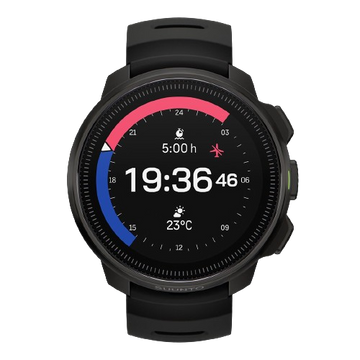
Use watch data to support your judgment, not replace it. If you train with a Suunto watch, review your recovery-related data, sleep records, and recent training load on your watch and in the Suunto app to see how your recovery is progressing. With HRV, focus on recent trends against your personal normal range rather than a single reading. Weigh this data alongside your fatigue, how your legs feel, and how easily you handle daily activities, and base the decision on more than one day’s readings.

Stop running and get a professional assessment if warning signs appear. Pain that keeps getting worse, noticeable swelling, or discomfort that interferes with normal activities all warrant an assessment. Seek immediate medical care if you notice tea- or cola-colored urine, unusually severe muscle pain, or marked weakness.
How to Adjust Your Next Run Based on Recovery
Choose whether to delay, scale back, or run as planned based on how you feel. Your options go beyond running as planned or skipping the run altogether.
Delay your run if you still feel noticeably tired or your discomfort isn’t improving. If you have any of the warning signs above, get a professional assessment first, rather than using a test run to find out whether it’s safe to run.
Scale back if you’re improving but unsure you can handle the planned workout. Shorten the distance, lower the intensity, or swap intervals or a tempo run for an easy run. Keep checking in with your body once you start. If discomfort worsens or an easy pace feels unusually hard, reduce the load further or end the run.
Return to your training plan when you feel close to normal, daily activities feel normal, and you have no noticeable buildup of fatigue. The more demanding the planned workout, the more carefully you should weigh your current condition, recent training, and the specific demands of that session.
Conclusion
Recovery after a long run is about reading your body rather than following a fixed routine or waiting out a countdown. It starts with understanding how demanding the run was, covering the basics of hydration, nutrition, activity, and sleep, and adjusting your plan to how you feel and what your next workout requires. Watch data helps you track recovery, and it works best alongside your own sense of how you feel and your judgment about training.
Rather than rushing back into your original plan, adjust your next run to match your recovery, whether that means delaying it, scaling it back, or returning to training as planned. Giving yourself room to recover is what keeps you training consistently over the long term.
FAQ
What’s the best way to recover after a long run?
Focus on the basics: rehydrate, eat foods that provide carbohydrates and protein, get enough sleep, and balance rest with easy movement based on how you feel. Then plan your next run around your current recovery level.
Is it okay to run if my legs are still sore?
Mild muscle soreness doesn’t necessarily mean you need to skip your run. Stop running, though, if soreness keeps getting worse, interferes with daily activities, or changes your running form. If you still feel fatigued, rest or lower the intensity of your next workout.
When should I see a doctor after a long run?
Stop running and get a medical evaluation if pain keeps getting worse, you notice significant swelling, or discomfort interferes with daily activities. Seek immediate medical care if you have tea- or cola-colored urine, unusually severe muscle pain, or marked weakness, as these may be warning signs of rhabdomyolysis.
Do I need extra recovery methods after a long run?
Usually not. Stretching, foam rolling, massage, and cold-water immersion are optional extras. If they help you feel better, use them in moderation, but prioritize the basics: sleep, nutrition, hydration, and adjusting your next run to your recovery.


